Kirjojen hintavertailu. Mukana 12 016 292 kirjaa ja 12 kauppaa.

Kirjahaku

Etsi kirjoja tekijän nimen, kirjan nimen tai ISBN:n perusteella.

4 kirjaa tekijältä Avigail Sachs

Environmental Design

Environmental Design

Avigail Sachs

University of Virginia Press
2018
sidottu
Much of twentieth-century design was animated by the creative tension of its essential duality: is design an art or a science? In the postwar era, American architects sought to calibrate architectural practice to evolving scientific knowledge about humans and environments, thus elevating the discipline’s stature and enmeshing their work in a progressive restructuring of society. This political and scientific effort was called ""environmental design,"" a term expanded in the 1960s to include ecological and liberal ideas. In her expansive new study, Avigail Sachs examines the theoretical scaffolding and practical legacy of this professional effort.Inspired by Lewis Mumford’s 1932 challenge enjoining architects to go beyond visual experimentation and create complete human environments, Environmental Design details the rise of modernist ideas in the architectural disciplines within the novel context of sociopolitical rather than aesthetic responsibilities. Unlike today’s ""starchitects,"" environmental designers saw themselves as orchestrators of decision making more than auteurs of form and style. Viewing architectural practice as rooted in Progressive Era politics and the democratic process rather than the European avant-garde, Sachs plots how these social concepts spread via influential architecture schools. This rich examination of pedagogy and practice is a map to both the history of environmental design and the contemporary consequences of architecture understood as a pressing social concern.
Environmental Design

Environmental Design

Avigail Sachs

UNIVERSITY OF VIRGINIA PRESS
2021
pokkari
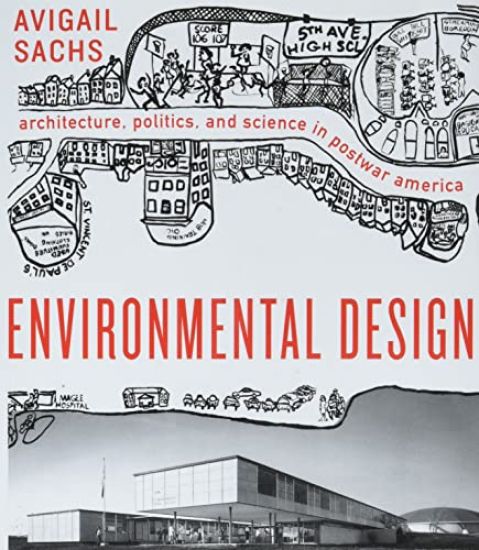
Much of twentieth-century design was animated by the creative tension of its essential duality: is design an art or a science? In the postwar era, American architects sought to calibrate architectural practice to evolving scientific knowledge about humans and environments, thus elevating the discipline’s stature and enmeshing their work in a progressive restructuring of society. This political and scientific effort was called "environmental design," a term expanded in the 1960s to include ecological and liberal ideas. In her expansive new study, Avigail Sachs examines the theoretical scaffolding and practical legacy of this professional effort.Inspired by Lewis Mumford’s 1932 challenge enjoining architects to go beyond visual experimentation and create complete human environments, Environmental Design details the rise of modernist ideas in the architectural disciplines within the novel context of sociopolitical rather than aesthetic responsibilities. Unlike today’s "starchitects," environmental designers saw themselves as orchestrators of decision making more than auteurs of form and style. Viewing architectural practice as rooted in Progressive Era politics and the democratic process rather than the European avant-garde, Sachs plots how these social concepts spread via influential architecture schools. This rich examination of pedagogy and practice is a map to both the history of environmental design and the contemporary consequences of architecture understood as a pressing social concern.

The Garden in the Machine

The Garden in the Machine

Avigail Sachs

UNIVERSITY OF VIRGINIA PRESS
2023
sidottu
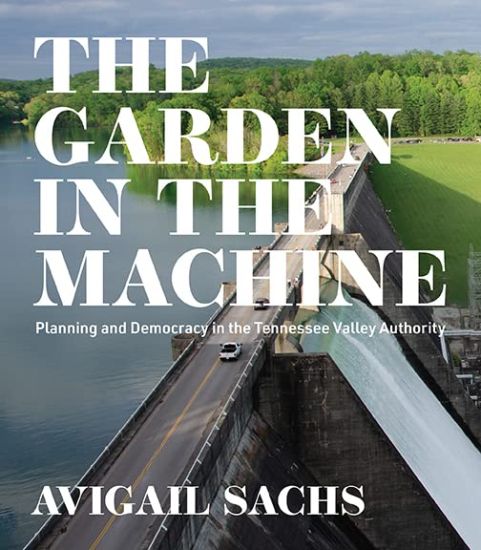
The Tennessee Valley Authority was the largest single agency created under the auspices of the New Deal legislation. Until 1933, when the project was initiated, the Tennessee Valley was known romantically as "a region of untapped potential" and, less romantically, as one of the most impoverished and isolated areas of the country. The TVA was responsible for three large scale environmental projects – the river, land, and power machines – but the project also had social, even utopian, goals. In service to the latter, the TVA put together a cadre of regional planners, architects and landscape architects that Avigail Sachs calls the "atelier TVA." These professionals contributed to the design of the system of multi-purpose dams, arranged visitors centers and scenic routes, built housing and communities (although both were segregated) and instigated a regional recreation industry. In addition to its planning and design history audience, this volume will be of interest to environmental historians and historians of the Progressive Era.
The Garden in the Machine

The Garden in the Machine

Avigail Sachs

UNIVERSITY OF VIRGINIA PRESS
2023
pokkari
The Tennessee Valley Authority was the largest single agency created under the auspices of the New Deal legislation. Until 1933, when the project was initiated, the Tennessee Valley was known romantically as "a region of untapped potential" and, less romantically, as one of the most impoverished and isolated areas of the country. The TVA was responsible for three large scale environmental projects – the river, land, and power machines – but the project also had social, even utopian, goals. In service to the latter, the TVA put together a cadre of regional planners, architects and landscape architects that Avigail Sachs calls the "atelier TVA." These professionals contributed to the design of the system of multi-purpose dams, arranged visitors centers and scenic routes, built housing and communities (although both were segregated) and instigated a regional recreation industry. In addition to its planning and design history audience, this volume will be of interest to environmental historians and historians of the Progressive Era.