Kirjojen hintavertailu. Mukana 11 699 587 kirjaa ja 12 kauppaa.

Kirjahaku

Etsi kirjoja tekijän nimen, kirjan nimen tai ISBN:n perusteella.

4 kirjaa tekijältä Barbara R. Ambros

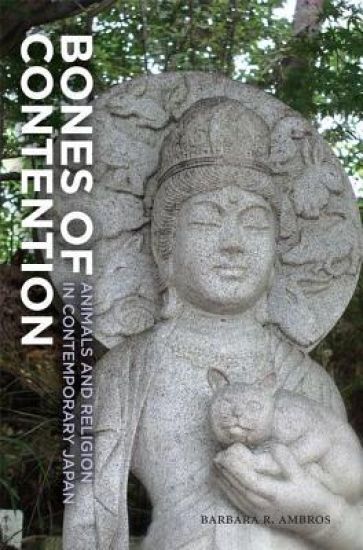
Bones of Contention

Bones of Contention

Barbara R. Ambros

University of Hawai'i Press
2012
sidottu
Since the 1990s the Japanese pet industry has grown to a trillion-yen business and estimates place the number of pets above the number of children under the age of fifteen. There are between 6,000 to 8,000 businesses in the Japanese pet funeral industry, including more than 900 pet cemeteries. Of these about 120 are operated by Buddhist temples, and Buddhist mortuary rites for pets have become an institutionalised practice. In Bones of Contention, Barbara Ambros investigates what religious and intellectual traditions constructed animals as subjects of religious rituals and how pets have been included or excluded in the necral landscapes of contemporary Japan.Pet mortuary rites are emblems of the ongoing changes in contemporary Japanese religions. The increase in single and nuclear-family households, marriage delays for both males and females, the falling birthrate and graying of society, the occult boom of the 1980s, the pet boom of the 1990s, the anti-religious backlash in the wake of the 1995 Aum Shinrikyo incident—all of these and more have contributed to Japan’s contested history of pet mortuary rites. Ambros uses this history to shed light on important questions such as: Who (or what) counts as a family member? What kinds of practices should the state recognise as religious and thus protect financially and legally? Is it frivolous or selfish to keep, pamper, or love an animal? Should humans and pets be buried together? How do people reconcile the deeply personal grief that follows the loss of a pet and how do they imagine the afterlife of pets? And ultimately, what is the status of animals in Japan? Bones of Contention is a book about how Japanese people feel and think about pets and other kinds of animals and, in turn, what pets and their people have to tell us about life and death in Japan today.
Bones of Contention

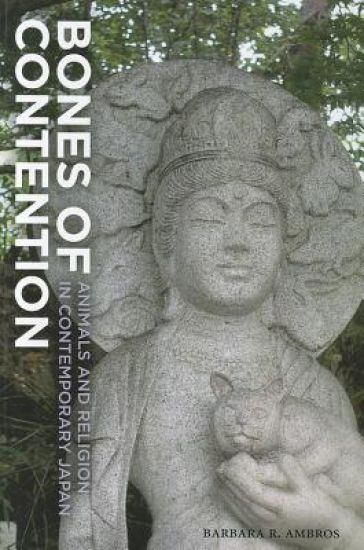
Bones of Contention

Barbara R. Ambros

University of Hawai'i Press
2012
nidottu
Since the 1990s the Japanese pet industry has grown to a trillion-yen business and estimates place the number of pets above the number of children under the age of fifteen. There are between 6,000 to 8,000 businesses in the Japanese pet funeral industry, including more than 900 pet cemeteries. Of these about 120 are operated by Buddhist temples, and Buddhist mortuary rites for pets have become an institutionalised practice. In Bones of Contention, Barbara Ambros investigates what religious and intellectual traditions constructed animals as subjects of religious rituals and how pets have been included or excluded in the necral landscapes of contemporary Japan.Pet mortuary rites are emblems of the ongoing changes in contemporary Japanese religions. The increase in single and nuclear-family households, marriage delays for both males and females, the falling birthrate and graying of society, the occult boom of the 1980s, the pet boom of the 1990s, the anti-religious backlash in the wake of the 1995 Aum Shinrikyo incident—all of these and more have contributed to Japan’s contested history of pet mortuary rites. Ambros uses this history to shed light on important questions such as: Who (or what) counts as a family member? What kinds of practices should the state recognise as religious and thus protect financially and legally? Is it frivolous or selfish to keep, pamper, or love an animal? Should humans and pets be buried together? How do people reconcile the deeply personal grief that follows the loss of a pet and how do they imagine the afterlife of pets? And ultimately, what is the status of animals in Japan? Bones of Contention is a book about how Japanese people feel and think about pets and other kinds of animals and, in turn, what pets and their people have to tell us about life and death in Japan today.

Women in Japanese Religions

Women in Japanese Religions

Barbara R. Ambros

New York University Press
2015
sidottu
A comprehensive history of women in Japanese religious traditions Scholars have widely acknowledged the persistent ambivalence with which the Japanese religious traditions treat women. Much existing scholarship depicts Japan's religious traditions as mere means of oppression. But this view raises a question: How have ambivalent and even misogynistic religious discourses on gender still come to inspire devotion and emulation among women? In Women in Japanese Religions, Barbara R. Ambros examines the roles that women have played in the religions of Japan. An important corrective to more common male-centered narratives of Japanese religious history, this text presents a synthetic long view of Japanese religions from a distinct angle that has typically been discounted in standard survey accounts of Japanese religions. Drawing on a diverse collection of writings by and about women, Ambros argues that ambivalent religious discourses in Japan have not simply subordinated women but also given them religious resources to pursue their own interests and agendas. Comprising nine chapters organized chronologically, the book begins with the archeological evidence of fertility cults and the early shamanic ruler Himiko in prehistoric Japan and ends with an examination of the influence of feminism and demographic changes on religious practices during the "lost decades" of the post-1990 era. By viewing Japanese religious history through the eyes of women, Women in Japanese Religions presents a new narrative that offers strikingly different vistas of Japan's pluralistic traditions than the received accounts that foreground male religious figures and male-dominated institutions.
Women in Japanese Religions

Women in Japanese Religions

Barbara R. Ambros

New York University Press
2015
pokkari
A comprehensive history of women in Japanese religious traditions Scholars have widely acknowledged the persistent ambivalence with which the Japanese religious traditions treat women. Much existing scholarship depicts Japan's religious traditions as mere means of oppression. But this view raises a question: How have ambivalent and even misogynistic religious discourses on gender still come to inspire devotion and emulation among women? In Women in Japanese Religions, Barbara R. Ambros examines the roles that women have played in the religions of Japan. An important corrective to more common male-centered narratives of Japanese religious history, this text presents a synthetic long view of Japanese religions from a distinct angle that has typically been discounted in standard survey accounts of Japanese religions. Drawing on a diverse collection of writings by and about women, Ambros argues that ambivalent religious discourses in Japan have not simply subordinated women but also given them religious resources to pursue their own interests and agendas. Comprising nine chapters organized chronologically, the book begins with the archeological evidence of fertility cults and the early shamanic ruler Himiko in prehistoric Japan and ends with an examination of the influence of feminism and demographic changes on religious practices during the "lost decades" of the post-1990 era. By viewing Japanese religious history through the eyes of women, Women in Japanese Religions presents a new narrative that offers strikingly different vistas of Japan's pluralistic traditions than the received accounts that foreground male religious figures and male-dominated institutions.