Kirjojen hintavertailu. Mukana 12 016 292 kirjaa ja 12 kauppaa.

Kirjahaku

Etsi kirjoja tekijän nimen, kirjan nimen tai ISBN:n perusteella.

2 kirjaa tekijältä Barrie Cook

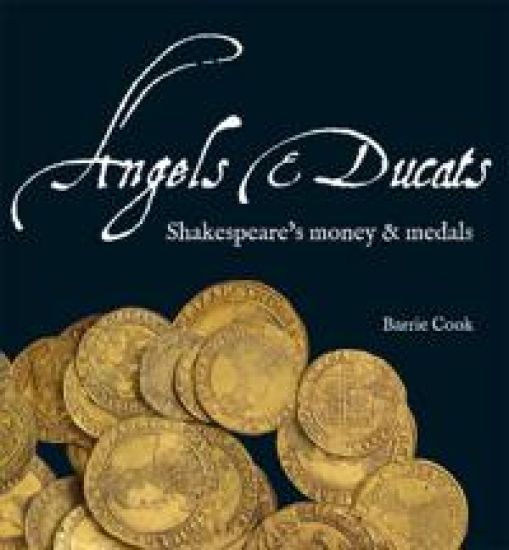
Angels & Ducats

Angels & Ducats

Barrie Cook

British Museum Press
2012
nidottu
Deniers and ducats, groats and guilders, crowns and cruzados: this fun, engaging and beautifully illustrated little book explores the role of money and medals in William Shakespeare’s world and work. "A fascinating account of Shakespeare's cosmopolitan world, illustrated with breathtaking images that bring to life the rich material culture that shaped Shakespeare's writings and his age. This is a superb volume, one that will have pride of place on my bookshelf." -Professor James Shapiro, author of 1599 and Contested Will Angels & Ducats: Shakespeare's Money and Medals "Barrie Cook knows more about coins and medals in Shakespeare's world and works than anyone alive; Angels and Ducats is an invaluable guide for anyone interested in how money mattered in Elizabethan and Jacobean England." -Professor James Shapiro, author of 1599 and Contested Will
English Medieval Coin Hoards

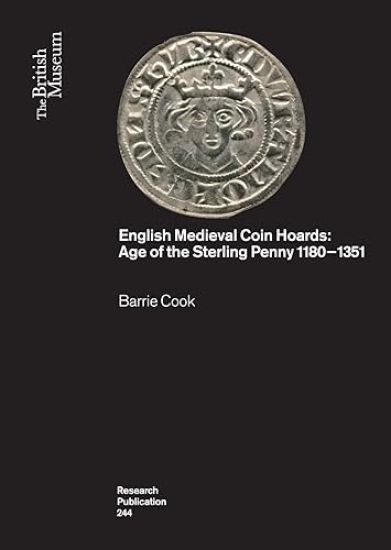
English Medieval Coin Hoards

Barrie Cook

BRITISH MUSEUM PRESS
2024
nidottu
The late 12th and 13th centuries witnessed complete national recoinages in 1180, 1247 and 1279, with the entire national stock of money reminted. After 1279 this did not happen again, with changes to coinage standards from 1351 onwards creating an environment that instead removed older coin more gradually. The collapse of the Angevin empire, Magna Carta and its ramifications, the creation of Parliament and the commencement of major Anglo-Scottish wars all impacted on how currency functioned across this period. The aim of this publication is to publish English coin hoards in the context of each of the successive currency periods between 1180 - around the time England arguably became a fully monetised land, with the silver penny under its recently emerged name of sterling - to 1351, when the penny-dominated currency was replaced by a multi-denominational one in both gold and silver. While the hoards discussed in this publication are seen in their national context, they are also placed firmly in their very local context, identifying relevant local economic and social forces and activities. This approach illuminates the place of money in the lives of the majority of England’s inhabitants, especially as this was the period in which medieval taxation reached its definitive form. With only a handful of exceptions, most of the hoards discussed represent money held by the lower levels of society, above all agricultural workers, whether of free or villein status: this is money in the world of the manor, the village and the parish, not the city, court or government.