

Kirjahaku
Etsi kirjoja tekijän nimen, kirjan nimen tai ISBN:n perusteella.
8 kirjaa tekijältä Barry Wood
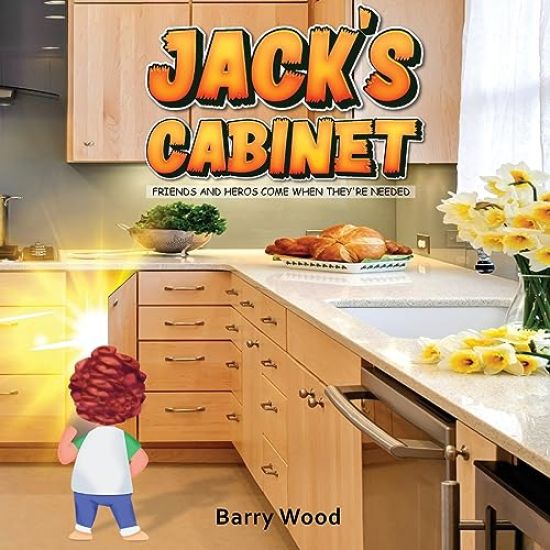
Parents are tired of looking for stories that can feed the curiosity of their little ones, which made Barry Wood come up with Jack's Cabinet, a story of wonder and magic.Gray, the youngest of two siblings, explores a magical place through a cabinet in his house, and realizes that there is more to this world and he has an important role to play.Barry has done a wonderful job with his thoughtful descriptions that can lure any child's mind into finishing the book. Moreover, it is coupled with attractive illustrations to make up for children's need of being visually excited.You will come across many children's book revolving around magic, but Jack's Cabinet is a tale that offers more than that. It focuses on children's ability to have empathy for the people around them and their innate instinct to explore and understand their surroundings, no matter how intimidated or overwhelmed they feel.This is a complete book that leaves nothing behind for imagination, and lets your child see with their own eyes the scenes they are reading.
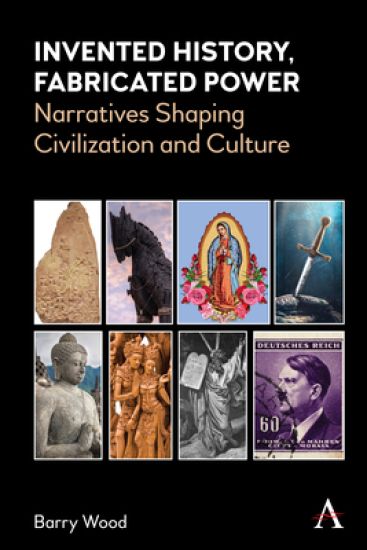
Invented History, Fabricated Power begins with an examination of prehistoric beliefs (in spirits, souls, mana, orenda) that provided personal explanation and power through ritual and shamanism among tribal peoples. On this foundation, spiritual power evolved into various kinds of divine sanction for kings and emperors (Sumerian, Egyptian, Greek, Roman, Indian, Chinese and Japanese). As kingships expanded into empires, fictional histories and millennia-long genealogies developed that portrayed imperial superiority and greatness. Supernatural events and miracles were attached to religious founders (Hebrew, Hindu, Buddhist, Christian, Islamic). A unique variation developed in the Roman Church which fabricated papal power through forgeries in the first millennium CE and the later “doctrine of discovery” which authorized European domination and conquest around the world during the Age of Exploration. Elaborate fabrications continued with epic histories and literary cycles from the Persians, Ethiopians, Franks, British, Portuguese, and Iroquois Indians. Both Marxists and Nazis created doctrinal texts which passed for economic or political explanations but were in fact self-aggrandizing narratives that eventually collapsed. The book ends with the idealistic goals of the current liberal democratic way of life, pointing to its limitations as a sustaining narrative, along with numerous problems threatening its viability over the long term.

From humble beginnings, as they emerged pimple-popped and sweaty out of a global New Wave of British Heavy Metal scene infiltrating California in the early 80s, through to almost complete world domination, sell out tours and Billboard chart success, Metallica's story is like few others. With an insatiable hunger andhell-for-leatherr attitude, they helped to forge a new direction for metal music across the world, combining progressive anger with, at times, sweeping ballads. In the space of just a few album,s they transformed from thrashing wannabes (Kill 'Em All) into real heavy rock contenders (...And Justice for All) - before unleashing a new blend of chart-topping heavy metal on the masses (Black Album). A band of dogged workers, with twists and turns, heartbreak and line-up changes peppering their more than 40-year career, if they aren't on the road, it seems they're in the recording studio, with an incessant hunt for the next loudest, ground-breaking sound, spurring them on. They rode a wave, then started a tsunami, so prepare to be blown away. Metallica give you 'heavy baby!'

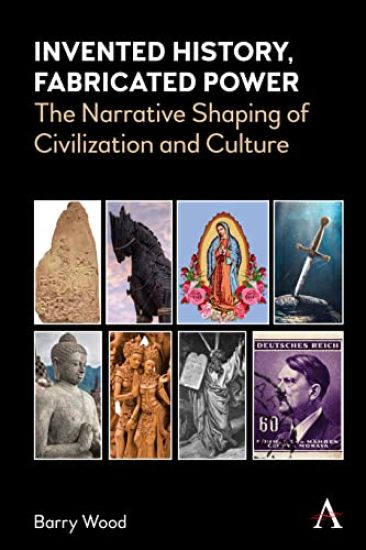
Invented History, Fabricated Power begins with an examination of prehistoric beliefs (in spirits, souls, mana, orenda) that provided personal explanation and power through ritual and shamanism among tribal peoples. On this foundation, spiritual power evolved into various kinds of divine sanction for kings and emperors (Sumerian, Egyptian, Greek, Roman, Indian, Chinese and Japanese). As kingships expanded into empires, fictional histories and millennia-long genealogies developed that portrayed imperial superiority and greatness. Supernatural events and miracles were attached to religious founders (Hebrew, Hindu, Buddhist, Christian, Islamic). A unique variation developed in the Roman Church which fabricated papal power through forgeries in the first millennium CE and the later “doctrine of discovery” which authorized European domination and conquest around the world during the Age of Exploration. Elaborate fabrications continued with epic histories and literary cycles from the Persians, Ethiopians, Franks, British, Portuguese, and Iroquois Indians. Both Marxists and Nazis created doctrinal texts which passed for economic or political explanations but were in fact self-aggrandizing narratives that eventually collapsed. The book ends with the idealistic goals of the current liberal democratic way of life, pointing to its limitations as a sustaining narrative, along with numerous problems threatening its viability over the long term.