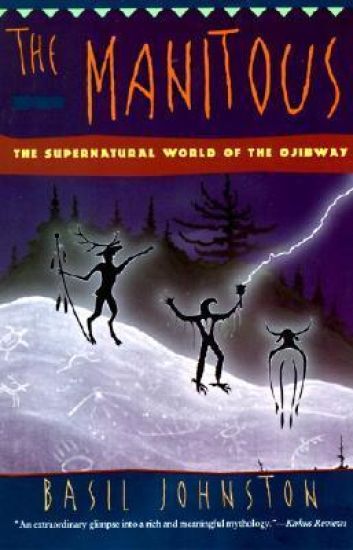
A comprehensive collection of the spiritual stories of the Ojibway introduces the tricksters, giants, spirits, and humans who fostered the Chippewa Native American beliefs about life, nature, and morality. Reprint. K.
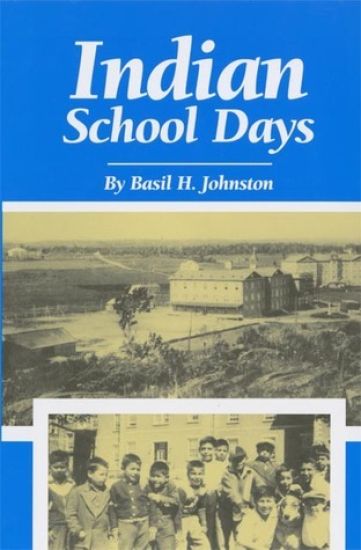
This book is the humorous, bitter-sweet autobiography of a Canadian Ojibwa who was taken from his family at age ten and placed in Jesuit boarding school in northern Ontario. It was 1939 when the feared Indian agent visited Basil Johnston's family and removed him and his four-year-old sister to St. Peter Claver's school, run by the priests in a community known as Spanish, 75 miles from Sudbury.""Spanish! It was a word synonymous with residential school, penitentiary, reformatory, exile, dungeon, whippings, kicks, slaps, all rolled into one,"" Johnston recalls. But despite the aching loneliness, the deprivation, the culture shock and the numbing routine, his story is engaging and compassionate. Johnston creates marvelous portraits of the young Indian boys who struggled to adapt to strange ways and unthinking, unfeeling discipline. Even the Jesuit teachers, whose flashes of humor occasionally broke through their stern demeanor, are portrayed with an understanding born of hindsight.
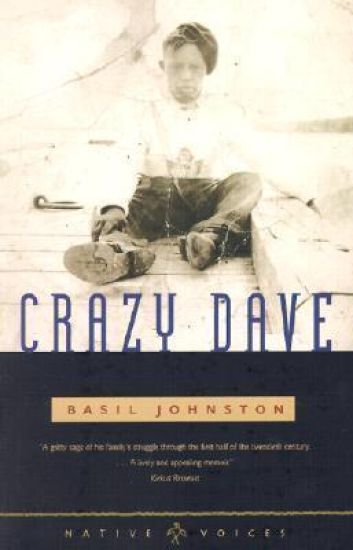
Through the story of his Uncle David and grandmother Rosa, renowned native writer and storyteller Basil Johnston offers a funny, affectionate, and unforgettable portrait of reservation life. David, the last of Rosa's five sons, was born with Down syndrome. Unable to care for himself, he and the indomitable Rosa were to be forever bound together, joined by love and necessity in a life already defined by harsh, sometimes tragic circumstances. And yet, David was remarkable. Strong, stubborn, and utterly determined, he aspired to learn, to be a part of a world in which he would never entirely belong. In that regard, he was and remains a poignant and unsettling reflection of his people, who had fled Wisconsin in the 1830s to seek sanctuary with the Ojibway farther north in what became Canada. With great resourcefulness and integrity, they struggled to sustain and preserve families, a language, and a way of life, while accommodating the increasingly intrusive demands of white society. Woven of story and recollection -- the author's own, his family's, and those of others who were there -- this memoir remembers and pays loving tribute to a family, a community, and a culture.