Kirjojen hintavertailu. Mukana 11 244 527 kirjaa ja 12 kauppaa.

Kirjahaku

Etsi kirjoja tekijän nimen, kirjan nimen tai ISBN:n perusteella.

331 kirjaa tekijältä Ben Jonson

Ben Jonson

Ben Jonson

Ben Jonson
Oxford University Press
1963
sidottu
A scholarly edition of works by Ben Johnson. The edition presents an authoritative text, together with an introduction, commentary notes, and scholarly apparatus.
Ben Jonson

Ben Jonson

Ben Jonson

Oxford University Press
1963
sidottu
A scholarly edition of works by Ben Jonson. The edition presents an authoritative text, together with an introduction, commentary notes, and scholarly apparatus.
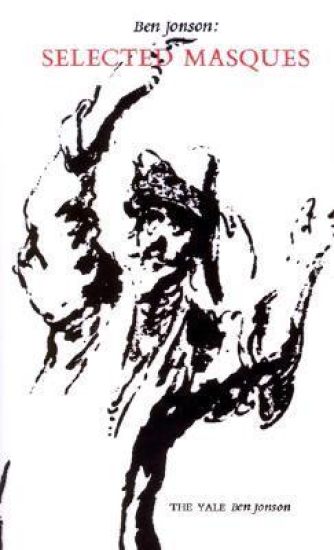
Ben Jonson: Selected Masques

Ben Jonson: Selected Masques

Ben Jonson

Yale University Press
2005
pokkari
The Renaissance court masque, traditionally an entertainment of music, dancing, pageantry, and spectacular scenic effects was transformed by Ben Jonson into a serious mode of literary expression. Because its flexibility provided a forum for his dramatic imagination, Jonson was able to resolve and transcend the satiric vision that was in many ways the substance of his drama. He instructed as well as applauded his courtly audience and, with the aid of the great theatrical designer Inigo Jones, brought unity to the diverse elements of the masque, infusing them with a moral and poetic life. In early 1969, Yale University Press published The Complete Masques, the first one-volume edition and the most carefully edited and annotated text available. A modernized version, the 576 page Complete Masques includes the faithful reprinting of Jonson’s own glosses and notes, translated and annotated, as well as explanatory notes which offer the most detailed critical commentary ever undertaken. This abridged collection contains the most important of the works included in the large edition, and Mr. Orgel’s introduction which discusses Jonson’s development of the masque in relation to Inigo Jones’s development of the illusionistic stage. Mr. Orgel is associate professor of English at the University of California at Berkeley.
Ben Jonson: Sejanus

Ben Jonson: Sejanus

Ben Jonson

Yale University Press
2005
pokkari
One of Jonson’s greatest plays, Sejanus, has seldom been edited, and is here published, with full notes and introduction, for the first time since 1911. Mr. Barish shows that Jonsonian tragedy can be understood and appreciated only by clearing the mind of Shakespearean preconceptions. The present edition makes the play available in a modernized text, explanatory notes gloss obscure phrases ignored by previous editors, and critical notes contain extracts in English translation of the portions of Tacitus on which Jonson based his plot. The critical introduction analyzes Jonson’s technique of metamorphosing history into poetry. Yale Ben Jonson, 3.Mr. Barish is associate professor of English at the University of California.
Ben Jonson: The Complete Masques

Ben Jonson: The Complete Masques

Ben Jonson

Yale University Press
1969
pokkari
The Renaissance court masque, traditionally an entertainment of music, dancing, pageantry, and spectacular scenic effects, was transformed by Ben Jonson into a serious mode of literary expression. By using its peculiar viability as a forum for his dramatic imagination, Jonson resolved and transcended the satiric vision that was in many ways the substance of Jonsonian drama. He instructed as well as applauded his courtly audience and, with the aid of the great theatrical designer Inigo Jones, brought unity to the diverse elements of the masque, infusing them with a moral and poetic life. This modernized version of Jonson’s masques is the most carefully edited and annotated text available; it is also the first one-volume edition to be published. It includes the faithful reprinting of Jonson’s own glosses and notes, translated and annotated, as well as explanatory notes which offer the most detailed critical commentary ever undertaken. In the Introduction, itself and important essay about the Renaissance stage, Mr. Orgel discusses Jonson’s development of the masque in relation to Inigo Jones’ development of the illusionistic stage.Mr. Orgel is associate professor of English at the University of California in Berkeley.
The Selected Plays of Ben Jonson: Volume 2

The Selected Plays of Ben Jonson: Volume 2

Ben Jonson

Cambridge University Press
1989
pokkari
This volume brings together four of Ben Jonson's plays, two of his major works - The Alchemist (1610) and Bartholomew Fair (1614) and two from his later oeuvre: The New Inn (1629) and A Tale of a Tub (1633). The Alchemist is a major satire on folly and greed, brilliantly plotted and dazzling in its use of language. Bartholomew Fair, possibly Jonson's greatest achievement, reveals a panoramic depiction of London society. The New Inn and A Tale of a Tub suggest a different Jonson, exploring new forms and writing from a profoundly modified perspective. In The New Inn, a romantic comedy overlaid with an atmospheric melancholy and an ethical urgency, Jonson engages seriously for the first time with the conventions of non-satiric comedy. A Tale of a Tub, a riotous farce set in the early years of the reign of Queen Elizabeth, is now widely regarded as a nostalgic Jonsonian pastiche of Elizabethan popular drama. In recent criticism, Jonson's later career has been undergoing considerable reassessment, and this edition is the first that attempts to take this new view of Jonson into account. Dr Butler's edition is full and informative in its annotations and survey of criticisms to date, and cautiously respectful of Jonsonian punctuation.
Ben Jonson

Ben Jonson

Ben Jonson

Faber Faber
2005
nidottu
In this series, a contemporary poet selects and introduces a poet of the past. By their selection of verses and by the personal and critical reactions they express in their introductions, the selectors offer a passionate and accessible introduction to some of the greatest poets in history. Ben Jonson (1572-1637) was born in London, and became a leading poet, playwright and essayist of the Elizabethan age. In 1598he killed an actor in a duel but escaped hanging by pleading benefit of the clergy, and by 1616 had re-established enough Court favour to be awarded a pension by James I - in effect making him the first Poet Laureate.