Kirjojen hintavertailu. Mukana 11 342 296 kirjaa ja 12 kauppaa.

Kirjahaku

Etsi kirjoja tekijän nimen, kirjan nimen tai ISBN:n perusteella.

3 kirjaa tekijältä Ben Pimlott

Queen

Queen

Ben Pimlott

Harpercollins Publishers
2012
pokkari
An updated edition of Ben Pimlottâ??s classic biography of the Queen: â??There is no better biography of Elizabeth II.â?? PETER HENNESSY, Independent on Sunday
The Queen: A Biography of Elizabeth II
"There will be no better biography of Elizabeth II as a figure of state until her official one appears--and perhaps not even then." --The Independent "One of the many merits of Ben Pimlott's superbly judicious biography of Elizabeth II is that it understands this connection between monarchy and masses, and carefully evokes its political importance." --The New York Times Book Review "The best all-around study of the Queen so far, showing understanding as well as amused irony." --Sunday Telegraph Written by Ben Pimlott, considered Britain's most respected political biographer, The Queen brings us the most authentic life yet of the reigning monarch. For the first time, Buckingham Place opened its doors and those closest to the queen provided compelling new information into Elizabeth's life and reign. New sources include the unpublished diaries of Jock Colville, public secretary to both Churchill and Elizabeth, as well as interviews with Princess Margaret, Archbishop of Canterbury Lord Runcie, and longtime private secretary Lord Charteris.
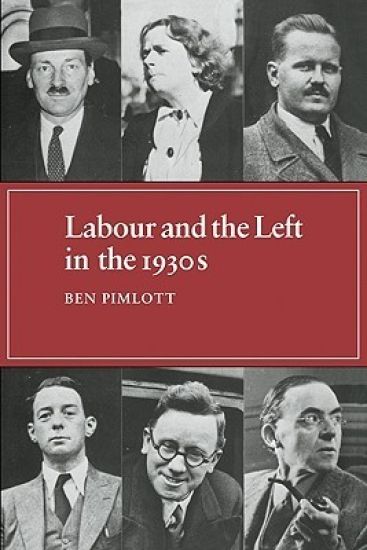
Labour and the Left in the 1930s

Labour and the Left in the 1930s

Ben Pimlott

Cambridge University Press
2008
pokkari
The 1930s was the decade of the Jarrow March and the International Brigade - the 'Red Decade' of literary imagination. Yet there has seldom been a time when the influence of the British Left has been at a lower ebb. Why was this? In this book Ben Pimlott suggests answers, and challenges established myths about left-wing politics during a crucial period. Pimlott's study is concerned with the relationship between ideas and political action. The author is interested in the distinction which can be drawn between 'expressive' and 'instrumental' approaches to political behaviour, and a central theme is that the 'expressive' politics of some sections of the Left had an ironic effect of hindering the achievement of widely shared goals.