Kirjojen hintavertailu. Mukana 12 016 292 kirjaa ja 12 kauppaa.

Kirjahaku

Etsi kirjoja tekijän nimen, kirjan nimen tai ISBN:n perusteella.

4 kirjaa tekijältä Berys Gaut

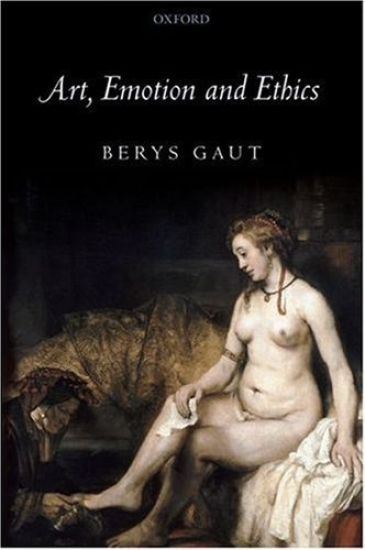
Art, Emotion and Ethics

Art, Emotion and Ethics

Berys Gaut

Clarendon Press
2007
sidottu
Art, Emotion and Ethics is a systematic investigation of the relation of art to morality, a topic that has been of central and recurring interest to the philosophy of art since Plato. Berys Gaut explores the various positions that have been taken in this debate, and argues that an artwork is always aesthetically flawed insofar as it possesses a moral defect that is aesthetically relevant. Three main arguments are developed for this view; these involve showing how moral goodness is itself a kind of beauty, that artworks can teach us about morality and that this is under certain conditions an aesthetic merit in them, and that our emotional responses to works of art are properly guided in part by moral considerations. Art, Emotion and Ethics also contains detailed interpretations of a wide range of artworks, including Rembrandt's Bathsheba and Nabokov's Lolita, which show that ethical criticism can yield rich and plausible accounts of individual works. Gaut develops a new theory of the nature of aesthetic value, explores how art can teach us about the world and what we morally ought to do by guiding our imaginings, and argues that we can have genuine emotions towards people and events that we know are merely fictional. Characterised by its clarity and sustained argument, this book will be of interest to anyone who wants to understand the relation of art to morality.
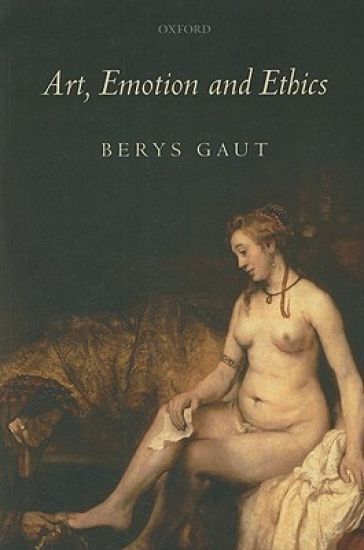
Art, Emotion and Ethics

Art, Emotion and Ethics

Berys Gaut

Oxford University Press
2009
nidottu
Art, Emotion and Ethics is a systematic investigation of the relation of art to morality, a topic that has been of central and recurring interest to the philosophy of art since Plato. Berys Gaut explores the various positions that have been taken in this debate, and argues that an artwork is always aesthetically flawed insofar as it possesses a moral defect that is aesthetically relevant. Three main arguments are developed for this view; these involve showing how moral goodness is itself a kind of beauty, that artworks can teach us about morality and that this is often an aesthetic merit in them, and that our emotional responses to works of art are properly guided in part by moral considerations. Art, Emotion and Ethics also contains detailed interpretations of a wide range of artworks, including Rembrandt's Bathsheba and Nabokov's Lolita, which show that ethical criticism can yield rich and plausible accounts of individual works. Gaut develops a new theory of the nature of aesthetic value, explores how art can teach us about the world and what we morally ought to do by guiding our imaginings, and argues that we can have genuine emotions towards people and events that we know are merely fictional. Characterised by its clarity and sustained argument, this book will be of interest to anyone who wants to understand the relation of art to morality.
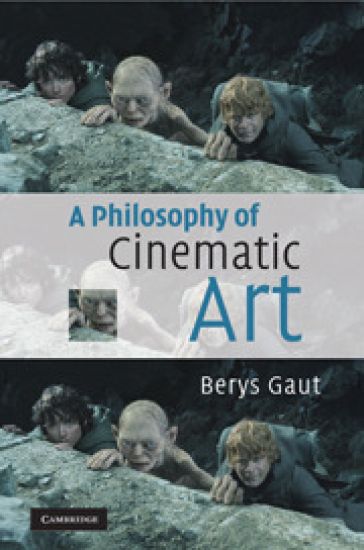
A Philosophy of Cinematic Art

A Philosophy of Cinematic Art

Berys Gaut

Cambridge University Press
2010
pokkari
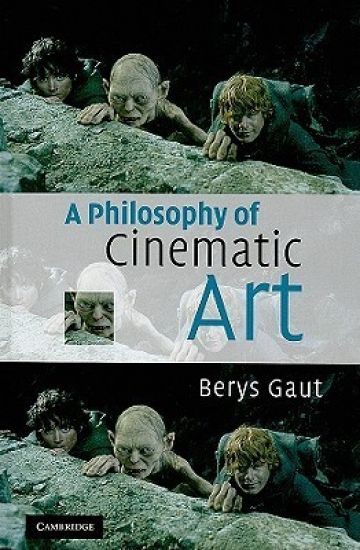
A Philosophy of Cinematic Art is a systematic study of cinema as an art form, showing how the medium conditions fundamental features of cinematic artworks. It discusses the status of cinema as an art form, whether there is a language of film, realism in cinema, cinematic authorship, intentionalist and constructivist theories of interpretation, cinematic narration, the role of emotions in responses to films, the possibility of identification with characters, and the nature of the cinematic medium. Groundbreaking in its coverage of a wide range of contemporary cinematic media, it analyses not only traditional photographic films, but also digital cinema, and a variety of interactive cinematic works, including videogames. Written in a clear and accessible style, the book examines the work of leading film theorists and philosophers of film, and develops a powerful framework with which to think about cinema as an art.
A Philosophy of Cinematic Art

A Philosophy of Cinematic Art

Berys Gaut

Cambridge University Press
2010
sidottu
A Philosophy of Cinematic Art is a systematic study of cinema as an art form, showing how the medium conditions fundamental features of cinematic artworks. It discusses the status of cinema as an art form, whether there is a language of film, realism in cinema, cinematic authorship, intentionalist and constructivist theories of interpretation, cinematic narration, the role of emotions in responses to films, the possibility of identification with characters, and the nature of the cinematic medium. Groundbreaking in its coverage of a wide range of contemporary cinematic media, it analyses not only traditional photographic films, but also digital cinema, and a variety of interactive cinematic works, including videogames. Written in a clear and accessible style, the book examines the work of leading film theorists and philosophers of film, and develops a powerful framework with which to think about cinema as an art.