
Kirjahaku
Etsi kirjoja tekijän nimen, kirjan nimen tai ISBN:n perusteella.
154 kirjaa tekijältä Booker T. Washington

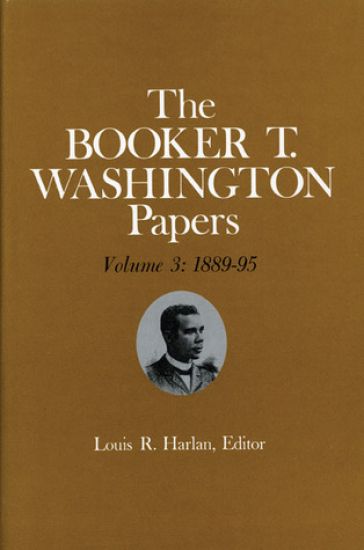
Booker T. Washington Papers Volume 12
Booker T. Washington
University of Illinois Press
1983
sidottu
The memoirs and accounts of the Black educator are presented with letters, speeches, personal documents, and other writings reflecting his life and career.
Frederick Douglass.: by Booker T. Washington
Booker T. Washington
Createspace Independent Publishing Platform
2010
nidottu
Up from Slavery: The Autobiography of Booker T. Washington
Booker T. Washington
Createspace Independent Publishing Platform
2012
nidottu
Up From Slavery: The Autobiography of Booker T. Washington
Booker T. Washington
Createspace Independent Publishing Platform
2013
nidottu
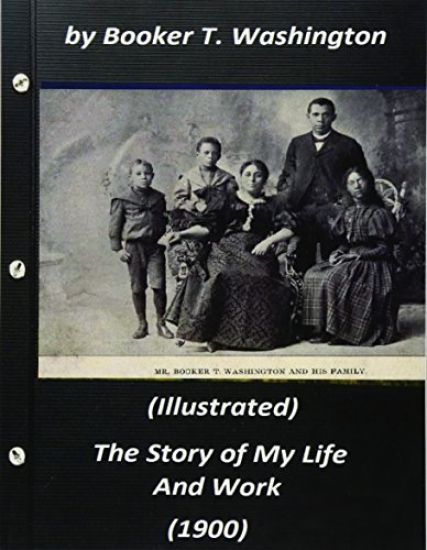
The Story of My Life and Work (1900) by Booker T. Washington (Illustrated)
Booker T. Washington
Createspace Independent Publishing Platform
2016
nidottu

Up From Slavery (1901). By: Booker T. Washington: Up From Slavery: An Autobiography, Booker Taliaferro Washington
Booker T. Washington
Createspace Independent Publishing Platform
2016
nidottu
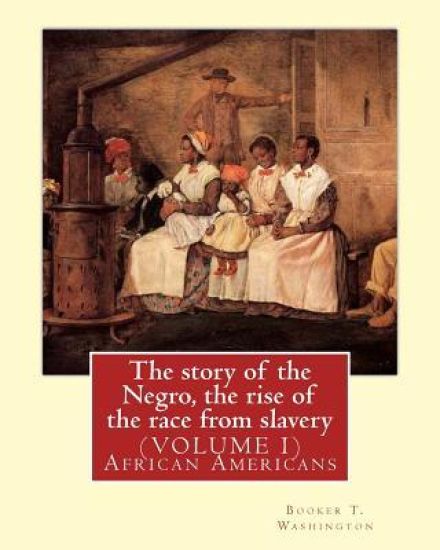
The story of the Negro, the rise of the race from slavery.By: Booker T. Washington: (VOLUME 1)...Booker Taliaferro Washington (April 5, 1856 - Novembe
Booker T. Washington
Createspace Independent Publishing Platform
2016
nidottu

The story of the Negro, the rise of the race from slavery.By: Booker T. Washington: (VOLUME II)...Booker Taliaferro Washington (April 5, 1856 - Novemb
Booker T. Washington
Createspace Independent Publishing Platform
2016
nidottu
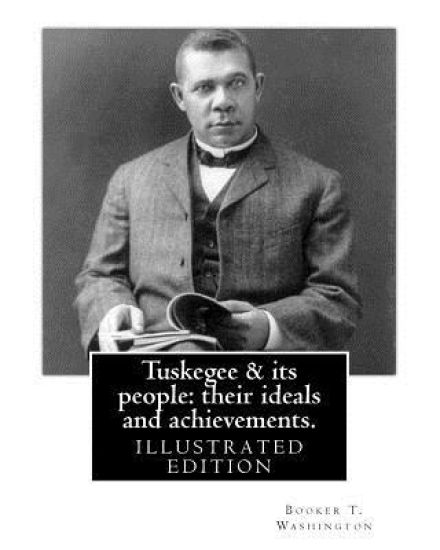
Tuskegee & its people: their ideals and achievements. BY: Booker T. Washington
Booker T. Washington
Createspace Independent Publishing Platform
2016
nidottu
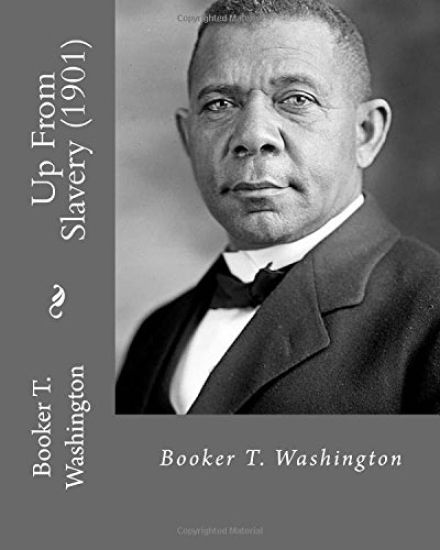
Up From Slavery (1901). By: Booker T. Washington: Autobiography
Booker T. Washington
Createspace Independent Publishing Platform
2017
nidottu
Up from Slavery is the 1921 autobiography of Booker T. Washington sharing his personal experience of having to work to rise up from the position of a slave child during the Civil War, to the difficulties and obstacles he overcame to get an education at the new Hampton Institute, to his work establishing vocational schools-most notably the Tuskegee Institute in Alabama-to help black people and other disadvantaged minorities learn useful, marketable skills and work to pull themselves, as a race, up by the bootstraps. He reflects on the generosity of both teachers and philanthropists who helped in educating blacks and Native Americans. He describes his efforts to instill manners, breeding, health and a feeling of dignity to students. His educational philosophy stresses combining academic subjects with learning a trade (something which is reminiscent of the educational theories of John Ruskin). Washington explained that the integration of practical subjects is partly designed to reassure the white community as to the usefulness of educating black people. This book was first released as a serialized work in 1900 through The Outlook, a Christian newspaper of New York. This work was serialized because this meant that during the writing process, Washington was able to hear critiques and requests from his audience and could more easily adapt his paper to his diverse audience. First Cover of The Outlook newspaper Washington was a controversial figure in his own lifetime, and W. E. B. Du Bois, among others, criticized some of his views. The book was, however, a best-seller, and remained the most popular African American autobiography until that of Malcolm X. In 1998, the Modern Library listed the book at No. 3 on its list of the 100 best nonfiction books of the 20th century, and in 1999 it was also listed by the conservative Intercollegiate Review as one of the "50 Best Books of the Twentieth Century".Up from Slavery chronicles more than forty years of Washington's life: from slave to schoolmaster to the face of southern race relations. In this text, Washington climbs the social ladder through hard, manual labor, a decent education, and relationships with great people. Throughout the text, he stresses the importance of education for the black population as a reasonable tactic to ease race relations in the South (particularly in the context of Reconstruction). Booker Taliaferro Washington (April 5, 1856 - November 14, 1915) was an American educator, author, orator, and advisor to presidents of the United States. Between 1890 and 1915, Washington was the dominant leader in the African-American community. Washington was from the last generation of black American leaders born into slavery and became the leading voice of the former slaves and their descendants. They were newly oppressed in the South by disenfranchisement and the Jim Crow discriminatory laws enacted in the post-Reconstruction Southern states in the late 19th and early 20th centuries. Washington was a key proponent of African-American businesses and one of the founders of the National Negro Business League.
My larger education; being chapters from my experience By: Booker T. Washington: Illustrated from photographs
Booker T. Washington
Createspace Independent Publishing Platform
2017
nidottu
Booker Taliaferro Washington (April 5, 1856 - November 14, 1915) was an American educator, author, orator, and advisor to presidents of the United States. Between 1890 and 1915, Washington was the dominant leader in the African-American community. Washington was from the last generation of black American leaders born into slavery and became the leading voice of the former slaves and their descendants. They were newly oppressed in the South by disenfranchisement and the Jim Crow discriminatory laws enacted in the post-Reconstruction Southern states in the late 19th and early 20th centuries. Washington was a key proponent of African-American businesses and one of the founders of the National Negro Business League. His base was the Tuskegee Institute, an historically black college in Alabama. As lynchings in the South reached a peak in 1895, Washington gave a speech, known as the "Atlanta compromise," which brought him national fame. He called for black progress through education and entrepreneurship, rather than trying to challenge directly the Jim Crow segregation and the disenfranchisement of black voters in the South. Washington mobilized a nationwide coalition of middle-class blacks, church leaders, and white philanthropists and politicians, with a long-term goal of building the community's economic strength and pride by a focus on self-help and schooling. But, secretly, he also supported court challenges to segregation and restrictions on voter registration, passing on funds to the NAACP for this purpose. Black militants in the North, led by W. E. B. Du Bois, at first supported the Atlanta compromise but after 1909, they set up the NAACP to work for political change. They tried with limited success to challenge Washington's political machine for leadership in the black community but also built wider networks among white allies in the North. Decades after Washington's death in 1915, the Civil Rights movement of the 1950s took a more active and militant approach, which was also based on new grassroots organizations based in the South, such as CORE, SNCC and SCLC. Booker T. Washington mastered the nuances of the political arena in the late 19th century, which enabled him to manipulate the media, raise money, develop strategy, network, push, reward friends, and distribute funds, while punishing those who opposed his plans for uplifting blacks. His long-term goal was to end the disenfranchisement of the vast majority of African Americans, who then still lived in the South.

Character building: being addresses delivered on Sunday evenings to the students of Tuskegee institute By: Booker T. Washington: Originall
Booker T. Washington
Createspace Independent Publishing Platform
2017
nidottu
Booker Taliaferro Washington (April 5, 1856 - November 14, 1915) was an American educator, author, orator, and advisor to presidents of the United States. Between 1890 and 1915, Washington was the dominant leader in the African-American community. Washington was from the last generation of black American leaders born into slavery and became the leading voice of the former slaves and their descendants. They were newly oppressed in the South by disenfranchisement and the Jim Crow discriminatory laws enacted in the post-Reconstruction Southern states in the late 19th and early 20th centuries. Washington was a key proponent of African-American businesses and one of the founders of the National Negro Business League. His base was the Tuskegee Institute, an historically black college in Alabama. As lynchings in the South reached a peak in 1895, Washington gave a speech, known as the "Atlanta compromise," which brought him national fame. He called for black progress through education and entrepreneurship, rather than trying to challenge directly the Jim Crow segregation and the disenfranchisement of black voters in the South. Washington mobilized a nationwide coalition of middle-class blacks, church leaders, and white philanthropists and politicians, with a long-term goal of building the community's economic strength and pride by a focus on self-help and schooling. But, secretly, he also supported court challenges to segregation and restrictions on voter registration, passing on funds to the NAACP for this purpose. Black militants in the North, led by W. E. B. Du Bois, at first supported the Atlanta compromise but after 1909, they set up the NAACP to work for political change. They tried with limited success to challenge Washington's political machine for leadership in the black community but also built wider networks among white allies in the North. Decades after Washington's death in 1915, the Civil Rights movement of the 1950s took a more active and militant approach, which was also based on new grassroots organizations based in the South, such as CORE, SNCC and SCLC. Booker T. Washington mastered the nuances of the political arena in the late 19th century, which enabled him to manipulate the media, raise money, develop strategy, network, push, reward friends, and distribute funds, while punishing those who opposed his plans for uplifting blacks. His long-term goal was to end the disenfranchisement of the vast majority of African Americans, who then still lived in the South.
Tuskegee & its people: their ideals and achievements (1905). Edited By: Booker T. Washington: Tuskegee & Its People is a 1905 book edited by
Booker T. Washington
Createspace Independent Publishing Platform
2017
nidottu
Booker Taliaferro Washington (April 5, 1856 - November 14, 1915) was an American educator, author, orator, and advisor to presidents of the United States. Between 1890 and 1915, Washington was the dominant leader in the African-American community. Washington was from the last generation of black American leaders born into slavery and became the leading voice of the former slaves and their descendants. They were newly oppressed in the South by disenfranchisement and the Jim Crow discriminatory laws enacted in the post-Reconstruction Southern states in the late 19th and early 20th centuries. Washington was a key proponent of African-American businesses and one of the founders of the National Negro Business League. His base was the Tuskegee Institute, an historically black college in Alabama. As lynchings in the South reached a peak in 1895, Washington gave a speech, known as the "Atlanta compromise," which brought him national fame. He called for black progress through education and entrepreneurship, rather than trying to challenge directly the Jim Crow segregation and the disenfranchisement of black voters in the South. Washington mobilized a nationwide coalition of middle-class blacks, church leaders, and white philanthropists and politicians, with a long-term goal of building the community's economic strength and pride by a focus on self-help and schooling. But, secretly, he also supported court challenges to segregation and restrictions on voter registration, passing on funds to the NAACP for this purpose. Black militants in the North, led by W. E. B. Du Bois, at first supported the Atlanta compromise but after 1909, they set up the NAACP to work for political change. They tried with limited success to challenge Washington's political machine for leadership in the black community but also built wider networks among white allies in the North. Decades after Washington's death in 1915, the Civil Rights movement of the 1950s took a more active and militant approach, which was also based on new grassroots organizations based in the South, such as CORE, SNCC and SCLC. Booker T. Washington mastered the nuances of the political arena in the late 19th century, which enabled him to manipulate the media, raise money, develop strategy, network, push, reward friends, and distribute funds, while punishing those who opposed his plans for uplifting blacks. His long-term goal was to end the disenfranchisement of the vast majority of African Americans, who then still lived in the South. Tuskegee & Its People is a 1905 book edited by American educator Booker T Washington.
The Works of Booker T. Washington: Up From Slavery: An Autobiography & My Larger Education
Booker T. Washington
Historic Publishing
2017
nidottu
IT HAS been my fortune to be associated all my life with a problem -- a hard, perplexing, but important problem. There was a time when I looked upon this fact as a great misfortune. It seemed to me a great hardship that I was born poor, and it seemed an even greater hardship that I should have been born a Negro. I did not like to admit, even to myself, that I felt this way about the matter, because it seemed to me an indication of weakness and cowardice for any man to complain about the condition he was born to. Later I came to the conclusion that it was not only weak and cowardly, but that it was a mistake to think of the matter in the way in which I had done. I came to see that, along with his disadvantages, the Negro in America had some advantages, and I made up my mind that opportunities that had been denied him from without could be more than made up by greater concentration and power within.

Up From Slavery (1901) by: Booker T. Washington / autobiography /
Booker T. Washington
Createspace Independent Publishing Platform
2017
nidottu
Up From Slavery: An Autobiography of Booker T. Washington
Booker T. Washington
Createspace Independent Publishing Platform
2018
nidottu
Up from Slavery is the 1901 autobiography of Booker T. Washington sharing his personal experience of having to work to rise up from the position of a slave child during the Civil War, to the difficulties and obstacles he overcame to get an education at the new Hampton Institute, to his work establishing vocational schools-most notably the Tuskegee Institute in Alabama-to help black people and other disadvantaged minorities learn useful, marketable skills and work to pull themselves, as a race, up by the bootstraps. He reflects on the generosity of both teachers and philanthropists who helped in educating blacks and Native Americans. He describes his efforts to instill manners, breeding, health and a feeling of dignity to students. His educational philosophy stresses combining academic subjects with learning a trade (something which is reminiscent of the educational theories of John Ruskin). Washington explained that the integration of practical subjects is partly designed to reassure the white community as to the usefulness of educating black people.
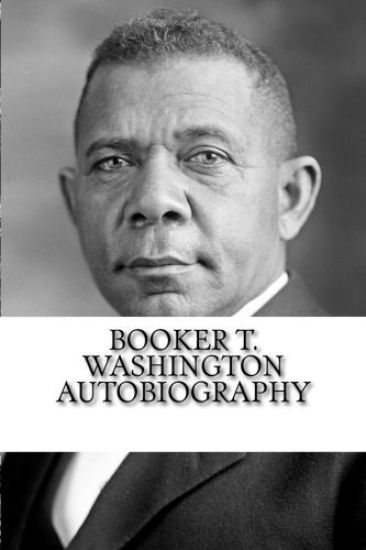
Booker T. Washington Autobiography
Booker T. Washington
Createspace Independent Publishing Platform
2018
nidottu
The autobiography of Booker T. Washington shares his personal experience of having to work to rise up from the position of a slave child during the Civil War, to the difficulties and obstacles he overcame to get an education at the new Hampton Institute, to his work establishing vocational schools-most notably the Tuskegee Institute in Alabama-to help black people and other disadvantaged minorities learn useful, marketable skills and work to pull themselves, as a race, up by the bootstraps. He reflects on the generosity of both teachers and philanthropists who helped in educating blacks and Native Americans. He describes his efforts to instill manners, breeding, health and a feeling of dignity to students. His educational philosophy stresses combining academic subjects with learning a trade (something which is reminiscent of the educational theories of John Ruskin). Washington explained that the integration of practical subjects is partly designed to reassure the white community as to the usefulness of educating black people. This book was first released as a serialized work in 1900 through The Outlook, a Christian newspaper of New York. This work was serialized because this meant that during the writing process, Washington was able to hear critiques and requests from his audience and could more easily adapt his paper to his diverse audience. Washington was a controversial figure in his own lifetime, and W. E. B. Du Bois, among others, criticized some of his views. The book was, however, a best-seller, and remained the most popular African American autobiography until that of Malcolm X. In 1998, the Modern Library listed the book at No. 3 on its list of the 100 best nonfiction books of the 20th century, and in 1999 it was also listed by the Intercollegiate Review as one of the "50 Best Books of the Twentieth Century".

Up From Slavery: The Incredible Life Story of Booker T. Washington
Booker T. Washington
E-Artnow
2019
nidottu
Up from Slavery" is the autobiography of Booker T. Washington sharing his personal experience of having to work to rise up from the position of a slave child during the Civil War, to the difficulties and obstacles he overcame to get an education at the new Hampton Institute, to his work establishing vocational schools—most notably the Tuskegee Institute in Alabama—to help black people and other disadvantaged minorities learn useful, marketable skills and work to pull themselves, as a race, up by the bootstraps. Booker Taliaferro Washington (1856 – 1915) was an American educator, author, orator, and advisor to presidents of the United States. Between 1890 and 1915, Washington was the dominant leader in the African-American community. Washington was from the last generation of black American leaders born into slavery and became the leading voice of the former slaves and their descendants. Contents: A Slave Among Slaves Boyhood Days The Struggle For An Education Helping Others The Reconstruction Period Black Race And Red Race Early Days At Tuskegee Teaching School In A Stable And A Hen-House Anxious Days And Sleepless Nights A Harder Task Than Making Bricks Without Straw Making Their Beds Before They Could Lie On Them Raising Money Two Thousand Miles For A Five-Minute Speech The Atlanta Exposition Address The Secret Of Success In Public Speaking Europe Last Words
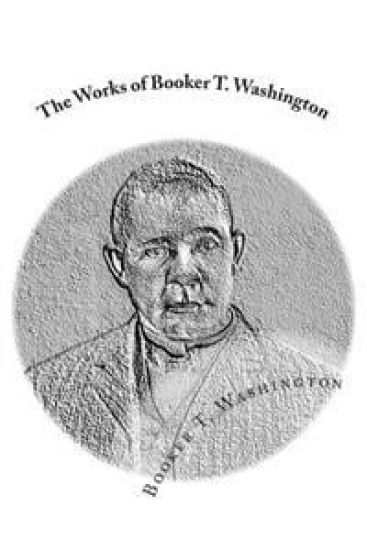
The Works of Booker T. Washington: Up From Slavery: An Autobiography & My Larger Education
J. Mitchell; Booker T. Washington
Createspace Independent Publishing Platform
2013
nidottu