Kirjojen hintavertailu. Mukana 11 699 587 kirjaa ja 12 kauppaa.

Kirjahaku

Etsi kirjoja tekijän nimen, kirjan nimen tai ISBN:n perusteella.

2 kirjaa tekijältä Boris Wolfson

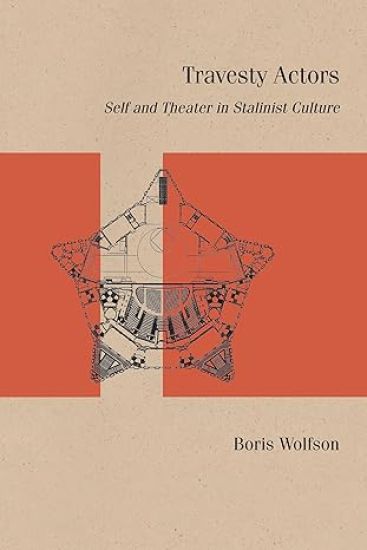
Travesty Actors

Travesty Actors

Boris Wolfson

NORTHWESTERN UNIVERSITY PRESS
2025
nidottu
Examining theatrical performance under Stalinist cultural mandates Talk of Joseph Stalin's 'show trials,' the public prosecutions in Moscow's Hall of Columns in the late 1930s, is so familiar as to obscure the relationship between actual shows - in the Soviet Union's major theaters - and politics. Travesty Actors: Self and Theater in Stalinist Culture examines theatrical performance within the context of the Soviet cultural establishment's fashioning of a 'genuine Soviet person.' Boris Wolfson focuses on prominent and controversial plays by artists including Aleksandr Afinogenov, Mikhail Bulgakov, Yuri Olesha, and Natalia Sats and the efforts of theater companies, like the Moscow Arts Theater, the Meyerhold Theater, and the Central Children's Theater, to adhere to this cultural mandate while grappling with repression, censorship, and conflicting interpretations of its aims. Drawing on archival materials, diaries and memoirs and eyewitness accounts, Wolfson greatly illuminates the achievements of Soviet theater during this harsh period and the cultural significance of artistic theories and practices for articulating and enacting ideological programs.
Travesty Actors

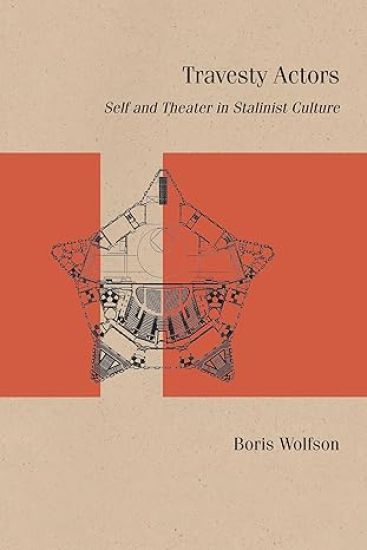
Travesty Actors

Boris Wolfson

NORTHWESTERN UNIVERSITY PRESS
2025
sidottu
Examining theatrical performance under Stalinist cultural mandatesTalk of Joseph Stalin's 'show trials,' the public prosecutions in Moscow's Hall of Columns in the late 1930s, is so familiar as to obscure the relationship between actual shows - in the Soviet Union's major theaters - and politics. Travesty Actors: Self and Theater in Stalinist Culture examines theatrical performance within the context of the Soviet cultural establishment's fashioning of a 'genuine Soviet person.' Boris Wolfson focuses on prominent and controversial plays by artists including Aleksandr Afinogenov, Mikhail Bulgakov, Yuri Olesha, and Natalia Sats and the efforts of theater companies, like the Moscow Arts Theater, the Meyerhold Theater, and the Central Children's Theater, to adhere to this cultural mandate while grappling with repression, censorship, and conflicting interpretations of its aims. Drawing on archival materials, diaries and memoirs and eyewitness accounts, Wolfson greatly illuminates the achievements of Soviet theater during this harsh period and the cultural significance of artistic theories and practices for articulating and enacting ideological programs.