Kirjojen hintavertailu. Mukana 11 244 527 kirjaa ja 12 kauppaa.

Kirjahaku

Etsi kirjoja tekijän nimen, kirjan nimen tai ISBN:n perusteella.

6 kirjaa tekijältä Brendan Gleeson

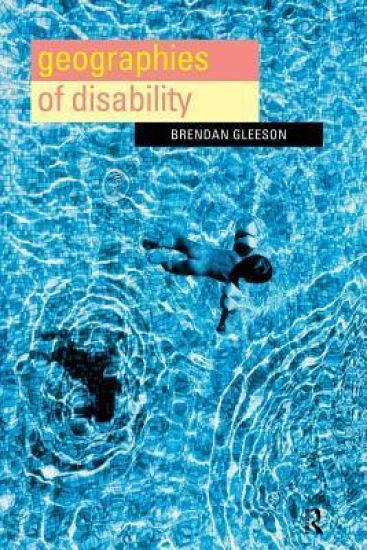
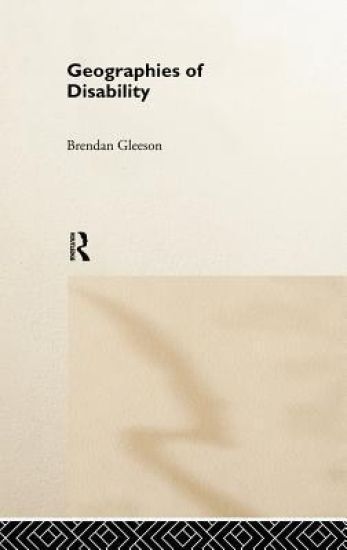
Geographies of Disability

Geographies of Disability

Brendan Gleeson

Routledge
1998
sidottu
This book explains how space, place and mobility have shaped the experiences of disabled people both in the past and in contemporary societies. The key features of this insightful study include:* a critical appraisal of theories of disability and a new disability model* case studies to explore how the transition to capitalism disadvantaged disabled people* an exploration of the Western city and the policies of community care and accessibility regulation.Brendan Gleeson presents an important contribution to the major policy debates on disability in Western societies and offers new considerations for the broader debates on embodiment and space within Geography.
Geographies of Disability

Geographies of Disability

Brendan Gleeson

Routledge
1998
nidottu
This book explains how space, place and mobility have shaped the experiences of disabled people both in the past and in contemporary societies. The key features of this insightful study include:* a critical appraisal of theories of disability and a new disability model* case studies to explore how the transition to capitalism disadvantaged disabled people* an exploration of the Western city and the policies of community care and accessibility regulation.Brendan Gleeson presents an important contribution to the major policy debates on disability in Western societies and offers new considerations for the broader debates on embodiment and space within Geography.
The Urban Condition

The Urban Condition

Brendan Gleeson

Routledge
2014
sidottu
This book will speak to the new human epoch, the Urban Age. A majority of humanity now lives for the first time in cities. The city, the highest invention of the modern age, is now the human heartland. And yet the same process that brought us the city and its wonders, modernisation, has also thrown up challenges and threats, especially climate change, resource depletion, social division and economic insecurity. This book considers how these threats are encountered and countered in the urban age, focusing on the issue of human knowledge and self-awareness, just as Hannah Arendt’s influential The Human Condition did half a century ago. The Human Condition is now The Urban Condition. And it is this condition that will define human prospects in an age of default and risk. Gleeson expertly explores the concept through three main themes. The first is an exploration of what defines the current human condition, especially the expanding cities that are at the heart of an over-consumptive world economic order. The second exposes and reviews the reawakening of forms of knowledge (‘naturalism’) that are likely to worsen not improve our comprehension of the crisis. The new ‘science of urbanism’ in popular new literature exemplifies this dangerous trend. The third and last part of the book considers prospects for a new urban, and therefore human, dispensation, ‘The Good City’. We must first journey in our urban vessels through troubled times. But can we now start to plot the way to new shores, to a safer, more resilient city that provides for human flourishing? The Urban Condition attempts this ideal, conceiving a new urbanism based on the old idea of self-limitation.The Urban Condition is an original, timely book that reconsiders and redeploys Arendt’s famous notion of The Human Condition in an age of cities and risk. It brings together several important strands of human consideration, urbanisation, climate threat, resource depletion, economic default and critical knowledge and weaves them into a new analysis of the times. It also looks to a future that is nearly with us—of changed climate, resource scarcity and economic stress. The book journeys into these troubled times, proposing the idea of Lifeboat Cities as a way of thinking about the human journey to come
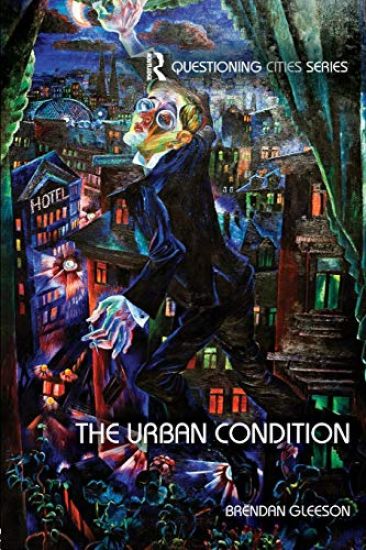
The Urban Condition

The Urban Condition

Brendan Gleeson

Routledge
2015
nidottu
This book will speak to the new human epoch, the Urban Age. A majority of humanity now lives for the first time in cities. The city, the highest invention of the modern age, is now the human heartland. And yet the same process that brought us the city and its wonders, modernisation, has also thrown up challenges and threats, especially climate change, resource depletion, social division and economic insecurity. This book considers how these threats are encountered and countered in the urban age, focusing on the issue of human knowledge and self-awareness, just as Hannah Arendt’s influential The Human Condition did half a century ago. The Human Condition is now The Urban Condition. And it is this condition that will define human prospects in an age of default and risk. Gleeson expertly explores the concept through three main themes. The first is an exploration of what defines the current human condition, especially the expanding cities that are at the heart of an over-consumptive world economic order. The second exposes and reviews the reawakening of forms of knowledge (‘naturalism’) that are likely to worsen not improve our comprehension of the crisis. The new ‘science of urbanism’ in popular new literature exemplifies this dangerous trend. The third and last part of the book considers prospects for a new urban, and therefore human, dispensation, ‘The Good City’. We must first journey in our urban vessels through troubled times. But can we now start to plot the way to new shores, to a safer, more resilient city that provides for human flourishing? The Urban Condition attempts this ideal, conceiving a new urbanism based on the old idea of self-limitation.The Urban Condition is an original, timely book that reconsiders and redeploys Arendt’s famous notion of The Human Condition in an age of cities and risk. It brings together several important strands of human consideration, urbanisation, climate threat, resource depletion, economic default and critical knowledge and weaves them into a new analysis of the times. It also looks to a future that is nearly with us—of changed climate, resource scarcity and economic stress. The book journeys into these troubled times, proposing the idea of Lifeboat Cities as a way of thinking about the human journey to come
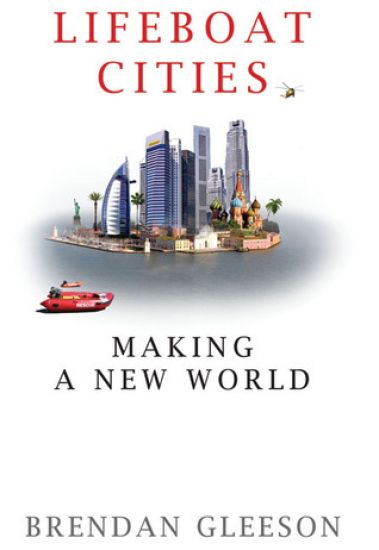
Lifeboat Cities

Lifeboat Cities

Brendan Gleeson

NewSouth Publishing
2010
nidottu
Hopeful and provocative, this account considers the principle social and ecological threats facing Australia and outlines the ways in which these crises need to be confronted and addressed. Taking a radical approach to climate change prevention, this bold manifesto claims that Australia’s current focus on over-consumption and “greener lifestyles” are ineffective. Rather, this opinionated record argues that society must instead make more dramatic changes and stop over-production. Thought-provoking and dynamic, this exploration is a must-read for people interested in climate change.