Kirjojen hintavertailu. Mukana 12 390 323 kirjaa ja 12 kauppaa.

Kirjahaku

Etsi kirjoja tekijän nimen, kirjan nimen tai ISBN:n perusteella.

3 kirjaa tekijältä Bret Wood

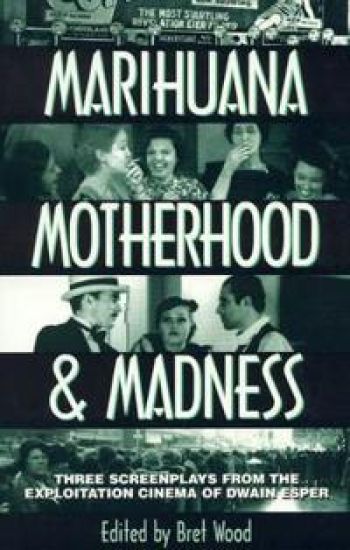
Marihuana, Motherhood & Madness

Marihuana, Motherhood & Madness

Bret Wood

Scarecrow Press
1998
sidottu
Marihuana, Motherhood & Madness features the complete shooting scripts of three Depression-era films directed by independent filmmaker Dwain Esper. A topic of growing interest among cinema aficionados and scholars, the lowbrow exploitation genre was the means by which small-scale entrepreneurs could compete with the major studios. Exploitation films addressed such controversial topics as drug use, prostitution, abortion, child marriage, and even bestiality—topics the major studios were forbidden to address by the Production Code Administration—salaciously exploiting the profitability of such taboo issues, while justifying their prurience by posing as educational tracts. Dwain Esper (1894-1982) was the exploitation industry's most audacious figure. Without any formal training in filmmaking, he operated his own film lab and studio (which he acquired when a debtor defaulted on a loan) and in 1932 began tapping into Depression America's appetites for iniquity. As technically crude as his films are, they possess a savage beauty and are highlighted by moments of sublime tenderness and startling horror, proving that Esper had a natural gift for the medium, even if he was only involved for the money. The screenplays included are: Modern Motherhood (1934), a social commentary on liberal marriages, abortion, and face-lifts; Maniac (1934), a treatise on mental illness delivered in the low-budget horror-movie format; and Marihuana: Weed with Roots in Hell (1936), a "drug scare" film in which a few puffs set an innocent high-school girl on a downward spiral to become a heroin-addicted, drug-pushing kidnapper.
Queen Kelly

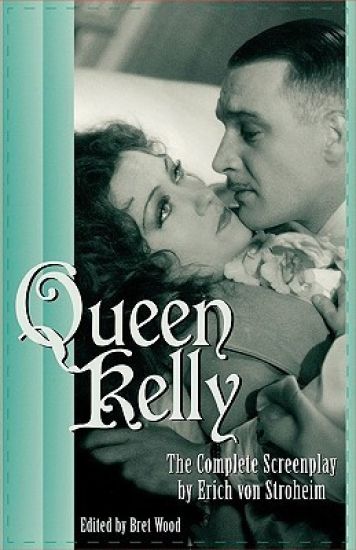
Queen Kelly

Bret Wood

Scarecrow Press
2002
nidottu
A rare and fascinating view into the creative process of one of the most notorious, talented and colorful figures of American cinema. When production began in 1928, writer/director Erich von Stroheim predicted the silent epic Queen Kelly would be his greatest cinematic achievement. Within a few weeks, however, the film was behind schedule, over budget, and filled with scenes of such frank eroticism and immorality that it was doubtful the film could ever pass the censors. With the film only partially completed, a frustrated and disgusted producer/star Gloria Swanson eventually shut down production. The demise of Queen Kelly marked the turning point in the career of one of silent cinema's greatest directors, who would never be given another filmmaking opportunity of this scale. The long-awaited publication of the complete screenplay (presented in cooperation with the Gloria Swanson estate) offers a richly detailed picture of von Stroheim's unrealized masterpiece that inarguably would have been one of the last great spectacles of the silent era. In addition to the extensively annotated 230-page shooting script, this volume includes 90 pages from an earlier draft. The original ending is dramatically different from the final version and had been discarded and rewritten by von Stroheim in an effort to cut costs during production. Also included are photographs, full production credits and an introduction detailing the troubled history of this most remarkable film. This book offers a thought-provoking view of the masterpiece that might have been.
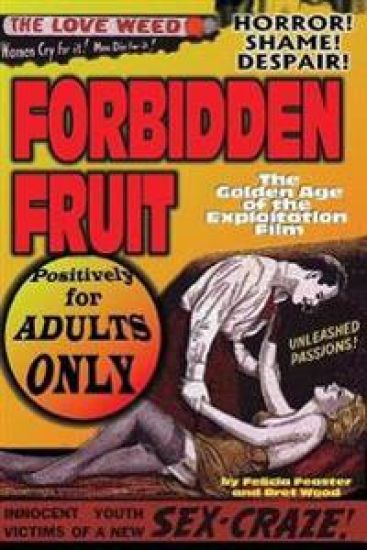
Forbidden Fruit: the Golden Age of the Exploitation Film

Forbidden Fruit: the Golden Age of the Exploitation Film

Felicia Feaster; Bret Wood

Midnight Marquee Press,U.S.
2009
nidottu
Forbidden Fruit: The Golden Age of the Exploitation Film offers the first thorough examination of the exploitation cinema while capturing the devious spirit of this renegade film movement. Abounding with anecdotes, character sketches and insights, Forbidden Fruit offers vivid depictions of exploitation kings and con-men, detailed readings of the films themselves and the unique stretch of American history that inspired them.