Kirjojen hintavertailu. Mukana 12 083 983 kirjaa ja 12 kauppaa.

Kirjahaku

Etsi kirjoja tekijän nimen, kirjan nimen tai ISBN:n perusteella.

6 kirjaa tekijältä Brian J. Tabb

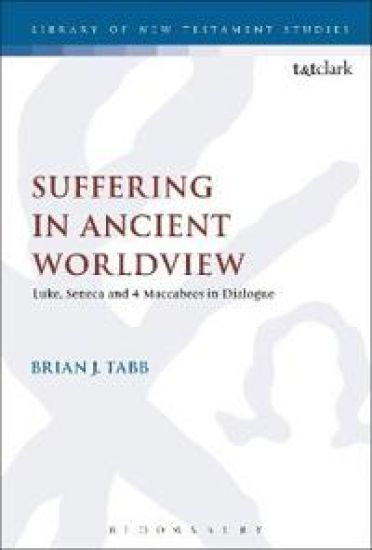
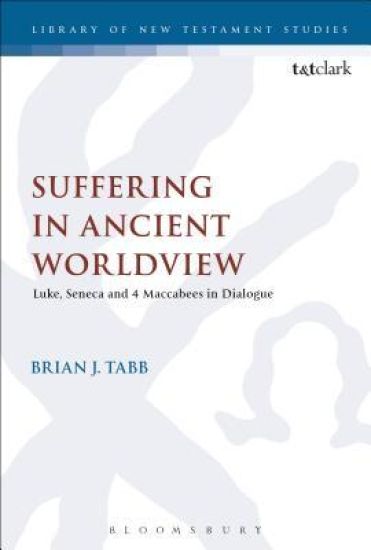
Suffering in Ancient Worldview

Suffering in Ancient Worldview

Brian J. Tabb

T. T.Clark Ltd
2017
sidottu
Suffering in Ancient Worldview investigates representative Christian, Roman Stoic and Jewish perspectives on the nature, problem and purpose of suffering. Tabb presents a close reading of Acts, Seneca's essays and letters and 4 Maccabees, highlighting how each author understands suffering vis-à-vis God, humanity, the world's problem and its solution, and the future. Tabb's study offers a pivotal definition for suffering in the 1st century and concludes by creatively situating these ancient authors in dialogue with each other. Tabb shows that, despite their different religious and cultural positions, these ancient authors each expect and accept suffering as a present reality that is governed by divine providence, however defined. Luke, Seneca and the author of 4 Maccabees each affirm that suffering is not humanity's fundamental problem. Rather, suffering functions as a cipher for other things to be displayed. For Seneca, suffering provides an opportunity for one to learn and show virtue. The author of 4 Maccabees presents the nation's suffering as retribution for sin, while the martyrs' virtuous suffering leads to Israel's salvation. For Luke, the Lord Jesus suffers to accomplish salvation and restoration for the world marred by sin and suffering, and the suffering of his followers is instrumental for Christian mission.
Suffering in Ancient Worldview

Suffering in Ancient Worldview

Brian J. Tabb

T. T.Clark Ltd
2018
nidottu
Suffering in Ancient Worldview investigates representative Christian, Roman Stoic and Jewish perspectives on the nature, problem and purpose of suffering. Tabb presents a close reading of Acts, Seneca's essays and letters and 4 Maccabees, highlighting how each author understands suffering vis-à-vis God, humanity, the world's problem and its solution, and the future. Tabb's study offers a pivotal definition for suffering in the 1st century and concludes by creatively situating these ancient authors in dialogue with each other. Tabb shows that, despite their different religious and cultural positions, these ancient authors each expect and accept suffering as a present reality that is governed by divine providence, however defined. Luke, Seneca and the author of 4 Maccabees each affirm that suffering is not humanity's fundamental problem. Rather, suffering functions as a cipher for other things to be displayed. For Seneca, suffering provides an opportunity for one to learn and show virtue. The author of 4 Maccabees presents the nation's suffering as retribution for sin, while the martyrs' virtuous suffering leads to Israel's salvation. For Luke, the Lord Jesus suffers to accomplish salvation and restoration for the world marred by sin and suffering, and the suffering of his followers is instrumental for Christian mission.
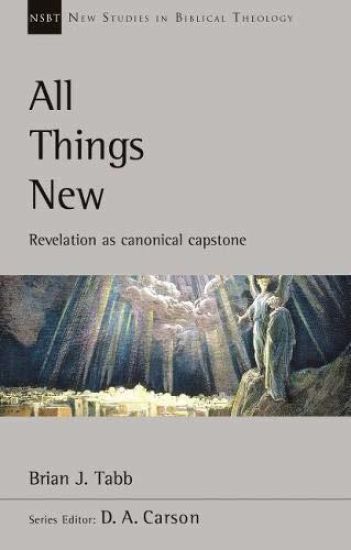
All Things New

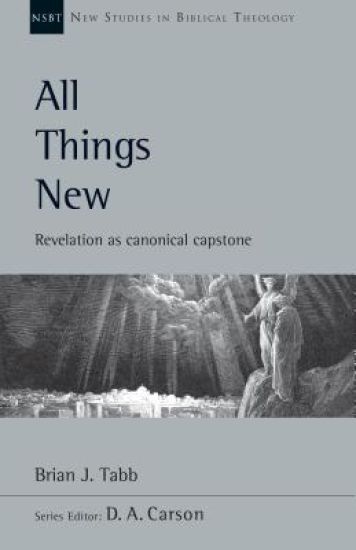
All Things New

Brian J. Tabb

IVP Academic
2019
nidottu
Biblical Foundations Award Finalist and Runner UpFor many readers of the Bible, the book of Revelation is a riddle that fascinates and frustrates. Scholars and teachers have proposed different keys to its interpretation, including the "futurist" and historical-critical approaches. However, none of these adequately demonstrates the continuing, vital relevance of the Apocalypse to the contemporary church.Brian Tabb stresses the importance of the canonical context of the book of Revelation and argues that it presents itself as the climax of biblical prophecy. He shows how various Old Testament prophecies and patterns find their consummation in the present and future reign of Jesus Christ, who decisively defeats his foes, saves his people, and restores all things.Tabb considers key biblical-theological themes: the triune God; Christ's followers and foes; God's plan for salvation, judgment, and restoration; and God's word. He also explores how the book's symbolic visions shape believers' worldviews in accordance with what is true, good, and beautiful according to God's revealed standards. These visions motivate them to live obediently and counter-culturally in the world as faithful witnesses to Jesus.Addressing key issues in biblical theology, the works comprising New Studies in Biblical Theology are creative attempts to help Christians better understand their Bibles. The NSBT series is edited by D. A. Carson, aiming to simultaneously instruct and to edify, to interact with current scholarship and to point the way ahead.
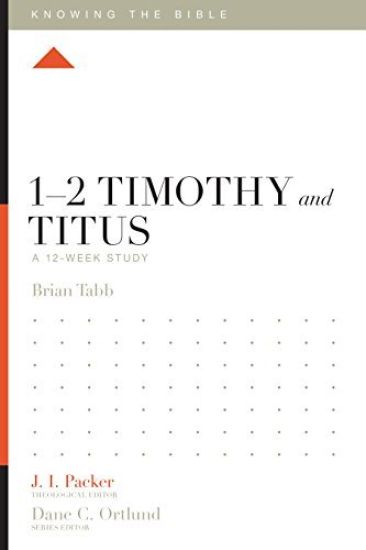
1–2 Timothy and Titus

1–2 Timothy and Titus

Brian J. Tabb

Crossway Books
2017
pokkari
"A tremendous resource for those wanting to study and teach the Bible with an understanding of how the gospel is woven throughout Scripture." —Bryan Chapell, Pastor, Grace Presbyterian Church The Knowing the Bible series is a resource designed to help Bible readers better understand and apply God’s Word. These 12-week studies lead participants through books of the Bible and are made up of four basic components: (1) reflection questions help readers engage the text at a deeper level; (2) “Gospel Glimpses” highlight the gospel of grace throughout the book; (3) “Whole-Bible Connections” show how any given passage connects to the Bible’s overarching story of redemption, culminating in Christ; and (4) “Theological Soundings” identify how historic orthodox doctrines are taught or reinforced throughout Scripture. With contributions from an array of influential pastors and church leaders, these gospel-centered studies will help Christians see and cherish the message of God’s grace on every page of the Bible. The letters to Timothy and Titus are among Paul's most personal and practical epistles. The apostle writes to instruct these younger men in the importance of sound doctrine and to urge them to rebuke false teaching. This accessible study shows how Paul's letters exhort all Christians to protect and pass on the true gospel of Jesus Christ, which has the power to save and transform sinners.
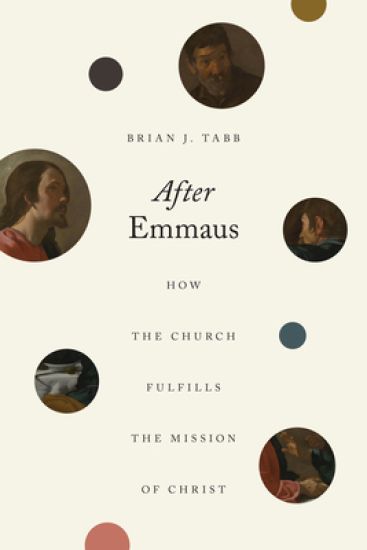
After Emmaus

After Emmaus

Brian J. Tabb

Crossway Books
2021
pokkari
“The church’s mission does not begin with the Great Commission, but is integrally related to the grand storyline of Scripture.” Did the Old Testament simply point to the coming of Christ and his saving work, or is there more to the story? After his resurrection, the Lord Jesus revealed how his suffering, glory, and mission plan for the nations are in fact central to the biblical story of redemption. After Emmaus shows how Christology and missiology are integrally connected throughout Scripture, especially in the teaching of Jesus and the apostles. Brian Tabb explains what Luke 24:46–47 reveals about God’s messianic promises in the Old Testament, their fulfillment in the New Testament, and the purpose of the church. By understanding Jesus’s last words to his disciples, Christians today will be motivated to participate in the Messiah’s mission.
All Things New

All Things New

Brian J. Tabb

Apollos
2019
nidottu
For many readers of the Bible, the book of Revelation is a riddle that fascinates and frustrates. Scholars and teachers have proposed different keys to its interpretation, including the ‘futurist’ and historical-critical approaches. However, none of these adequately demonstrates the continuing, vital relevance of the Apocalypse to the contemporary church. Brian Tabb stresses the importance of the canonical context of the book of Revelation and argues that it presents itself as the climax of biblical prophecy. He shows how various Old Testament prophecies and patterns find their consummation in the present and future reign of Jesus Christ, who decisively defeats his foes, saves his people and restores all things. Tabb considers key biblical-theological themes: the triune God; Christ’s followers and foes; God’s plan for salvation, judgment and restoration; and God’s word. He also explores how the book’s symbolic visions shape believers’ worldviews in accordance with what is true, good and beautiful according to God’s revealed standards. These visions motivate them to live obediently and counter-culturally in the world as faithful witnesses to Jesus.