Kirjojen hintavertailu. Mukana 11 244 527 kirjaa ja 12 kauppaa.

Kirjahaku

Etsi kirjoja tekijän nimen, kirjan nimen tai ISBN:n perusteella.

5 kirjaa tekijältä Brian Maidment

Robert Seymour and Nineteenth-Century Print Culture
Robert Seymour and Nineteenth-Century Print Culture is the first book-length study of the original illustrator of Dickens’s Pickwick Papers. Discussion of the range and importance of Seymour’s work as a jobbing illustrator in the 1820s and 1830s is at the centre of the book. A bibliographical study of his prolific output of illustrations in many different print genres is combined with a wide-ranging account of his major publications. Seymour’s extended work for The Comic Magazine, New Readings of Old Authors and Humorous Sketches, all described in detail, are of particular importance in locating the dialogue between image and text at the moment when the Victorian illustrated novel was coming into being.
Reading Popular Prints 1790–1870

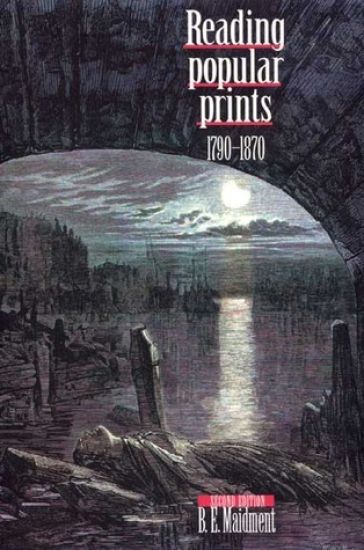
Reading Popular Prints 1790–1870

Brian Maidment

Manchester University Press
2001
nidottu
Each chapter of this stimulating book collects a wide variety of images show the different ways that historical events can be represented. Metal and wood engravings, lithographs, woodcuts, etchings, watercolors, and drawings all reflect changing attitudes towards gender, politics, the family, education, and industrialization. This revised second edition has many new illustrations which further assist the interpretation of popular graphic images from the 18th and 19th centuries.
Dusty Bob

Dusty Bob

Brian Maidment

Manchester University Press
2007
sidottu
Why did dustmen exercise an extended hold over the imagination of many Regency and Victorian artists and writers, including George Cruikshank, Henry Mayhew, Charles Dickens as well as numerous little known dramatists, caricaturists, print makers, journalists and novelists? This book, the first study of the cultural representation of the dust trade, provides many varied answers to this question by showing the ways in which London dustmen were associated with ideas of contamination, dirt, noise, violence, wealth, consumerism and threat. Drawing on an extraordinary range of sources, including plays, novels, reportage and, especially, visual culture, Dusty Bob describes the ways in which dustmen were perceived and mythologised in the first seventy years of the nineteenth century.Although Dusty Bob centrally comprises a detailed and original piece of research of interest to scholars and advanced students of Victorian culture, it has been written with a broader readership in mind.
Robert Seymour and Nineteenth-Century Print Culture
Robert Seymour and Nineteenth-Century Print Culture is the first book-length study of the original illustrator of Dickens’s Pickwick Papers. Discussion of the range and importance of Seymour’s work as a jobbing illustrator in the 1820s and 1830s is at the centre of the book. A bibliographical study of his prolific output of illustrations in many different print genres is combined with a wide-ranging account of his major publications. Seymour’s extended work for The Comic Magazine, New Readings of Old Authors and Humorous Sketches, all described in detail, are of particular importance in locating the dialogue between image and text at the moment when the Victorian illustrated novel was coming into being.
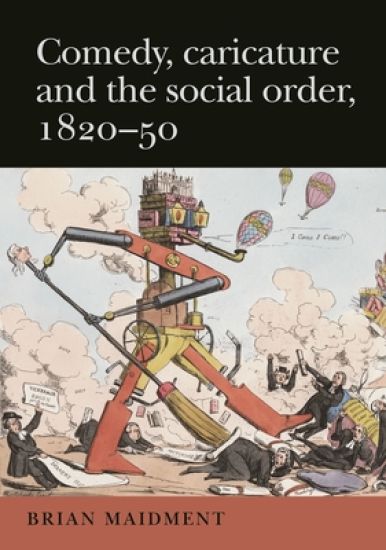
Comedy, Caricature and the Social Order, 1820–50

Comedy, Caricature and the Social Order, 1820–50

Brian Maidment

Manchester University Press
2017
nidottu
Offering an overview of the marketplace for comic images between 1820 and 1850, this book makes a case for the interest and importance of a largely neglected area of visual culture. It considers the impact on the development of print culture of the emergent, but soon widespread, use of lithography and wood engraving, both capable of integrating texts and images cheaply and imaginatively on the printed page. Drawing on a wide range of commercially produced print genres, including song books, play-texts, comic annuals and magazines as well as single plate and series of caricatures, this book traces the ways in which Regency and early Victorian visual humour both sustains some of the characteristics of an earlier caricature tradition while also beginning to develop new ways of analysing and coping with social change through comic forms and genres.