Kirjojen hintavertailu. Mukana 11 244 527 kirjaa ja 12 kauppaa.

Kirjahaku

Etsi kirjoja tekijän nimen, kirjan nimen tai ISBN:n perusteella.

4 kirjaa tekijältä Brian P. Luskey

On the Make

On the Make

Brian P. Luskey

New York University Press
2010
sidottu
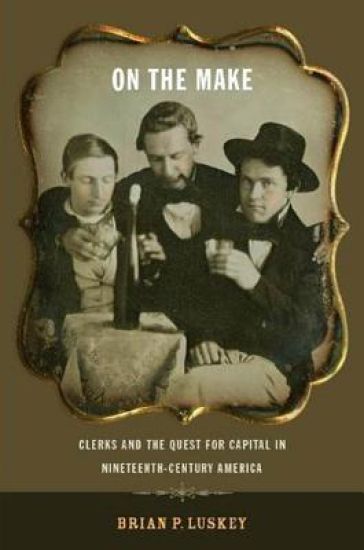
In the bustling cities of the mid-nineteenth-century Northeast, young male clerks working in commercial offices and stores were on the make, persistently seeking wealth, respect, and self-gratification. Yet these strivers and "counter jumpers" discovered that claiming the identities of independent men—while making sense of a volatile capitalist economy and fluid urban society—was fraught with uncertainty. In On the Make, Brian P. Luskey illuminates at once the power of the ideology of self-making and the important contests over the meanings of respectability, manhood, and citizenship that helped to determine who clerks were and who they would become. Drawing from a rich array of archival materials, including clerks' diaries, newspapers, credit reports, census data, advice literature, and fiction, Luskey argues that a better understanding of clerks and clerking helps make sense of the culture of capitalism and the society it shaped in this pivotal era.
On the Make

On the Make

Brian P. Luskey

New York University Press
2011
pokkari
In the bustling cities of the mid-nineteenth-century Northeast, young male clerks working in commercial offices and stores were on the make, persistently seeking wealth, respect, and self-gratification. Yet these strivers and "counter jumpers" discovered that claiming the identities of independent men—while making sense of a volatile capitalist economy and fluid urban society—was fraught with uncertainty. In On the Make, Brian P. Luskey illuminates at once the power of the ideology of self-making and the important contests over the meanings of respectability, manhood, and citizenship that helped to determine who clerks were and who they would become. Drawing from a rich array of archival materials, including clerks' diaries, newspapers, credit reports, census data, advice literature, and fiction, Luskey argues that a better understanding of clerks and clerking helps make sense of the culture of capitalism and the society it shaped in this pivotal era.
Men Is Cheap

Men Is Cheap

Brian P. Luskey

The University of North Carolina Press
2020
sidottu
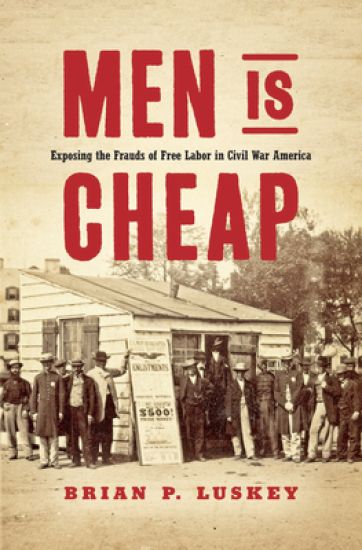
When a Civil War substitute broker told business associates that "Men is cheep here to Day," he exposed an unsettling contradiction at the heart of the Union's war effort. Despite Northerners' devotion to the principles of free labor, the war produced rampant speculation and coercive labor arrangements that many Americans labeled fraudulent. Debates about this contradiction focused on employment agencies called "intelligence offices," institutions of dubious character that nevertheless served the military and domestic necessities of the Union army and Northern households. Northerners condemned labor agents for pocketing fees above and beyond contracts for wages between employers and employees. Yet the transactions these middlemen brokered with vulnerable Irish immigrants, Union soldiers and veterans, former slaves, and Confederate deserters defined the limits of independence in the wage labor economy and clarified who could prosper in it.Men Is Cheap shows that in the process of winning the war, Northerners were forced to grapple with the frauds of free labor. Labor brokers, by helping to staff the Union military and Yankee households, did indispensable work that helped the Northern state and Northern employers emerge victorious. They also gave rise to an economic and political system that enriched the managerial class at the expense of laborers--a reality that resonates to this day.
Men Is Cheap

Men Is Cheap

Brian P. Luskey

THE UNIVERSITY OF NORTH CAROLINA PRESS
2025
pokkari
When a Civil War substitute broker told business associates that "Men is cheep here to Day," he exposed an unsettling contradiction at the heart of the Union's war effort. Despite Northerners' devotion to the principles of free labor, the war produced rampant speculation and coercive labor arrangements that many Americans labeled fraudulent. Debates about this contradiction focused on employment agencies called "intelligence offices," institutions of dubious character that nevertheless served the military and domestic necessities of the Union army and Northern households. Northerners condemned labor agents for pocketing fees above and beyond contracts for wages between employers and employees. Yet the transactions these middlemen brokered with vulnerable Irish immigrants, Union soldiers and veterans, former slaves, and Confederate deserters defined the limits of independence in the wage labor economy and clarified who could prosper in it.Men Is Cheap shows that in the process of winning the war, Northerners were forced to grapple with the frauds of free labor. Labor brokers, by helping to staff the Union military and Yankee households, did indispensable work that helped the Northern state and Northern employers emerge victorious. They also gave rise to an economic and political system that enriched the managerial class at the expense of laborers--a reality that resonates to this day.