Kirjojen hintavertailu. Mukana 12 390 323 kirjaa ja 12 kauppaa.

Kirjahaku

Etsi kirjoja tekijän nimen, kirjan nimen tai ISBN:n perusteella.

3 kirjaa tekijältä Bridget Orr

Empire on the English Stage 1660–1714

Empire on the English Stage 1660–1714

Bridget Orr

Cambridge University Press
2001
sidottu
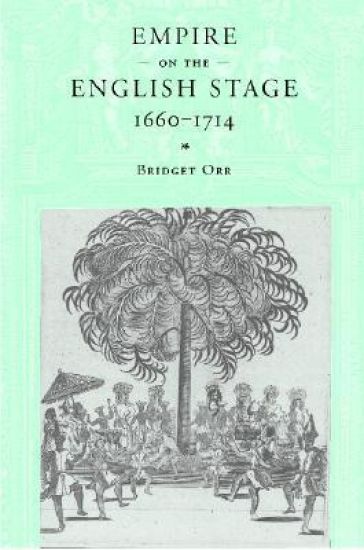
Contesting the current consensus that Restoration and early eighteenth-century drama referred almost exclusively to domestic social and political issues, Empire on the English Stage 1660–1714 shows that the theatre was a crucial location for debates over England’s contemporaneous colonial expansion. The book provides a comprehensive account of colonialism, national identity and the representation of race and ethnicity on stage. Joining current historical discussions of the development of British imperial ideology, Bridget Orr argues that dramatic texts and production provide a rich and unexamined archive in which the issues attendant on the emergence of the first empire figure largely. Her account not only sheds new light on plays by Dryden, Orrery, Behn, Wycherley, and Southerne but redirects attention to popular but now marginal texts by Settle, Sedley, Dennis and Charles Shadwell. Attention to the imperial themes of these dramatists decisively redraws the map of Restoration and early eighteenth-century drama.
British Enlightenment Theatre

British Enlightenment Theatre

Bridget Orr

Cambridge University Press
2020
sidottu
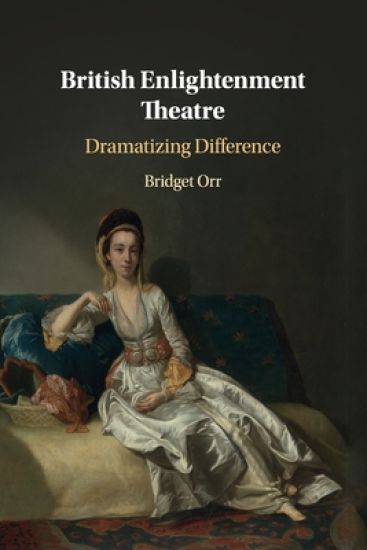
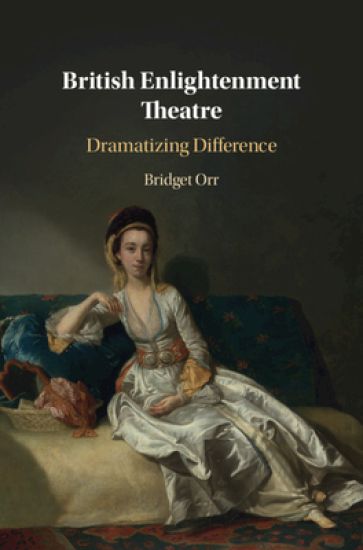
In this ground-breaking work, Bridget Orr shows that popular eighteenth-century theatre was about much more than fashion, manners and party politics. Using the theatre as a means of circulating and publicizing radical Enlightenment ideas, many plays made passionate arguments for religious and cultural toleration, and voiced protests against imperial invasion and forced conversion of indigenous peoples by colonial Europeans. Irish and labouring-class dramatists wrote plays, often set in the countryside, attacking social and political hierarchy in Britain itself. Another crucial but as yet unexplored aspect of early eighteenth-century theatre is its connection to freemasonry. Freemasons were pervasive as actors, managers, prompters, scene-painters, dancers and musicians, with their own lodges, benefit performances and particular audiences. In addition to promoting the Enlightened agenda of toleration and cosmopolitanism, freemason dramatists invented the new genre of domestic tragedy, a genre that criticized the effects of commercial and colonial capitalism.
British Enlightenment Theatre

British Enlightenment Theatre

Bridget Orr

Cambridge University Press
2022
pokkari
In this ground-breaking work, Bridget Orr shows that popular eighteenth-century theatre was about much more than fashion, manners and party politics. Using the theatre as a means of circulating and publicizing radical Enlightenment ideas, many plays made passionate arguments for religious and cultural toleration, and voiced protests against imperial invasion and forced conversion of indigenous peoples by colonial Europeans. Irish and labouring-class dramatists wrote plays, often set in the countryside, attacking social and political hierarchy in Britain itself. Another crucial but as yet unexplored aspect of early eighteenth-century theatre is its connection to freemasonry. Freemasons were pervasive as actors, managers, prompters, scene-painters, dancers and musicians, with their own lodges, benefit performances and particular audiences. In addition to promoting the Enlightened agenda of toleration and cosmopolitanism, freemason dramatists invented the new genre of domestic tragedy, a genre that criticized the effects of commercial and colonial capitalism.