
Kirjahaku
Etsi kirjoja tekijän nimen, kirjan nimen tai ISBN:n perusteella.
6 kirjaa tekijältä Brigitte L. Nacos
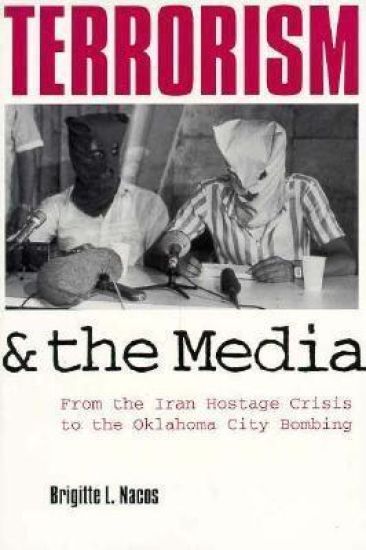
The televised images from the September 11 attacks exemplified how terrorists exploit the news media to get attention, spread fear and anxiety, and expose the weaknesses of the American superpower. September 11 was the culmination of decades of anti-American terrorism that, until the 1993 bombing of the World Trade Center, had not been felt on American soil. This book examines the response of the U.S. media, public, and decision makers to major acts of anti-American terrorism during the period from 1979-1994. Focusing on events abroad, such as the Iranian hostage crisis and the downing of Pan Am Flight 103, Nacos describes how terrorists successfully manipulate the linkages between the news media, public opinion, and presidential decision making through the staging of violent spectaculars. A preface examines the dilemmas faced by the government and media in response to domestic terrorism perpetrated by Americans against Americans in 1995. Nacos argues that government acquiescence to mass-media pressure in the wake of the Oklahoma City Bombing, as well as the media's agonizing decision to publish the Unabomber's 35,000-word manifesto, represented a victory for terrorism that could only encourage more terrorism.
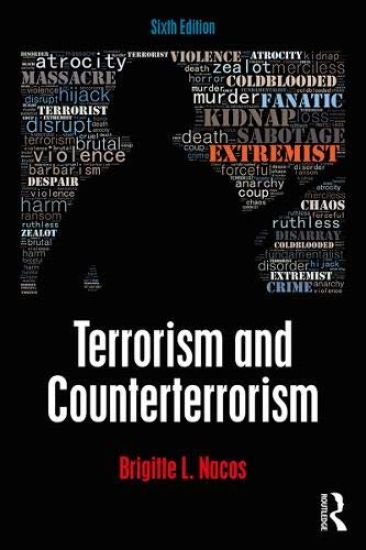
Focusing on the phenomenon of terrorism in the age of ISIS/ISIL, Terrorism and Counterterrorism investigates this form of political violence in an international and American context and in light of new and historical trends. In this comprehensive and highly readable text, renowned expert Brigitte Nacos clearly defines terrorism’s diverse causes, actors, and strategies; outlines anti- and counterterrorist responses; and highlights terrorism’s relationship with the public and media. Terrorism and Counterterrorism introduces students to the field’s main debates and helps them critically assess our understanding of, and our strategies for, addressing this complex and enduring issue. New to the Sixth Edition Additions to terrorist developments since 2016 including the rise and decline of ISIS in Iraq and Syria. A significant expansion of the analysis of intelligence gathering and the growth of the U.S. intelligence community in the post-9/11 era. Discussion of increasing activities of extremist groups in the so-called alt-right and the antifa movement in the U.S. and abroad. More explanations for the making of terrorists, including rational choice theory and new research revealing childhood trauma as a risk factor. An enlarged chapter on women and children in terrorism to include suicide missions as family projects. A new section on human rights violations in counterterrorism.
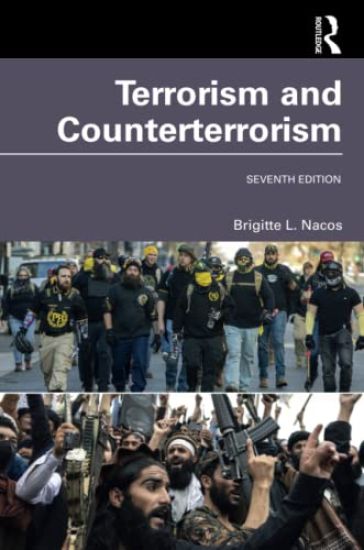
Focusing on the continued terrorist threat by jihadist groups, such as Al Qaeda and ISIS, and homegrown violent far-right and far-left extremists in the West, Terrorism and Counterterrorism investigates this form of political violence in a historical and contemporary context. In this comprehensive and highly readable text, renowned expert Brigitte Nacos clearly defines terrorism's diverse causes, actors, and strategies; outlines anti- and counterterrorist responses; and highlights terrorism's relationship with the public and media. Terrorism and Counterterrorism introduces students to the field's main debates and helps them critically assess our understanding of, and our strategies for, addressing this complex and enduring issue. New to the Seventh Edition: The new chapter 3 reviews the history of terrorism-both domestic and international, whereas the new chapter 4 analyses the terrorist landscape in the third decade of the 21st century-including the transnational links between violent far-right and far-left violent extremists. The discussion of religious terrorism in chapter 5 ends with an added section about QAnon as religiopolitical cult. An extended section in chapter 7 is devoted to the increasingly militant roles of females in violent far-right extremism. The revised chapter 10 starts with the withdrawal of U.S.-led troops from Afghanistan and an account of total costs spent on the post-9/11 war against terrorism before discussing the counterterrorism strategies of presidents G.W. Bush, Obama, Trump, and Biden. The failures and successes of the U.S. intelligence community in efforts to prevent terrorism at home with relevant data and case studies are new features in chapter 12.
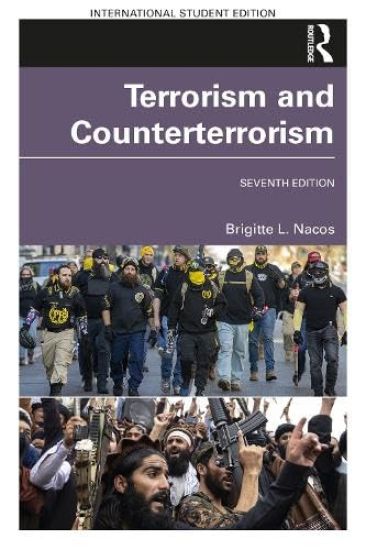
Focusing on the continued terrorist threat by jihadist groups, such as Al Qaeda and ISIS, and homegrown violent far-right and far-left extremists in the West, Terrorism and Counterterrorism investigates this form of political violence in a historical and contemporary context. In this comprehensive and highly readable text, renowned expert Brigitte Nacos clearly defines terrorism’s diverse causes, actors, and strategies; outlines anti- and counterterrorist responses; and highlights terrorism’s relationship with the public and media. Terrorism and Counterterrorism introduces students to the field’s main debates and helps them critically assess our understanding of, and our strategies for, addressing this complex and enduring issue.New to the 7th Edition The new chapter 3 reviews the history of terrorism—both domestic and international, whereas the new chapter 4 analyses the terrorist landscape in the third decade of the 21st century—including the transnational links between violent far-right and far-left violent extremists. The discussion of religious terrorism in chapter 5 ends with an added section about QAnon as religiopolitical cult. An extended section in chapter 7 is devoted to the increasingly militant roles of females in violent far-right extremism. The revised chapter 10 starts with the withdrawal of U.S.-led troops from Afghanistan and an account of total costs spent on the post-9/11 war against terrorism before discussing the counterterrorism strategies of presidents G.W. Bush, Obama, Trump, and Biden. The failures and successes of the U.S. intelligence community in efforts to prevent terrorism at home with relevant data and case studies are new features in chapter 12.

Focusing on the continued terrorist threat by jihadist groups, such as Al Qaeda and ISIS, and homegrown violent far-right and far-left extremists in the West, Terrorism and Counterterrorism investigates this form of political violence in a historical and contemporary context. In this comprehensive and highly readable text, renowned expert Brigitte Nacos clearly defines terrorism's diverse causes, actors, and strategies; outlines anti- and counterterrorist responses; and highlights terrorism's relationship with the public and media. Terrorism and Counterterrorism introduces students to the field's main debates and helps them critically assess our understanding of, and our strategies for, addressing this complex and enduring issue. New to the Seventh Edition: The new chapter 3 reviews the history of terrorism-both domestic and international, whereas the new chapter 4 analyses the terrorist landscape in the third decade of the 21st century-including the transnational links between violent far-right and far-left violent extremists. The discussion of religious terrorism in chapter 5 ends with an added section about QAnon as religiopolitical cult. An extended section in chapter 7 is devoted to the increasingly militant roles of females in violent far-right extremism. The revised chapter 10 starts with the withdrawal of U.S.-led troops from Afghanistan and an account of total costs spent on the post-9/11 war against terrorism before discussing the counterterrorism strategies of presidents G.W. Bush, Obama, Trump, and Biden. The failures and successes of the U.S. intelligence community in efforts to prevent terrorism at home with relevant data and case studies are new features in chapter 12.