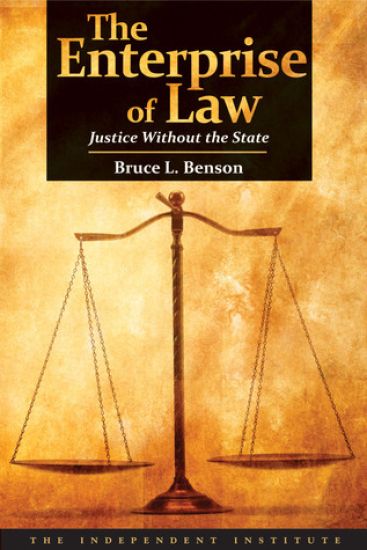
Traces the accelerating trend towards privatization in the criminal justice system In contrast to government's predominant role in criminal justice today, for many centuries crime control was almost entirely private and community-based. Government police forces, prosecutors, courts, and prisons are all recent historical developments–results of a political and bureaucratic social experiment which, Bruce Benson argues, neither protects the innocent nor dispenses justice. In this comprehensive and timely book, Benson analyzes the accelerating trend toward privatization in the criminal justice system. In so doing, To Serve and Protect challenges and transcends both liberal and conservative policies that have supported government's pervasive role. With lucidity and rigor, he examines the gamut of private-sector input to criminal justice–from private-sector outsourcing of prisons and corrections, security, arbitration to full "private justice" such as business and community-imposed sanctions and citizen crime prevention. Searching for the most cost-effective methods of reducing crime and protecting civil liberties, Benson weighs the benefits and liabilities of various levels of privatization, offering correctives for the current gridlock that will make criminal justice truly accountable to the citizenry and will simultaneously result in reductions in the unchecked power of government.