Kirjojen hintavertailu. Mukana 11 342 296 kirjaa ja 12 kauppaa.

Kirjahaku

Etsi kirjoja tekijän nimen, kirjan nimen tai ISBN:n perusteella.

9 kirjaa tekijältä Carol Griffiths

Language Intake

Language Intake

Carol Griffiths

TAYLOR FRANCIS LTD
2024
nidottu
Aimed towards advanced students and researchers in language acquisition and teaching, Language Intake: Understanding and Improving Language Learning and Teaching considers the long-debated definition of language intake and its determining factors. In doing so, it presents a unique argument for language input and intake, with a particular focus on how "input", "interaction", "identity", and "investment" contribute to intake through complex intercommunication.The book defines each of the contributing factors of intake in turn and demonstrates the principles of language intake through interviews with successful language learners, in order to encourage teachers to take these factors into consideration so as to maximise intake of the target language.The author proposes that all these multiple factors contribute to what might be called the “Intake Hypothesis”, which can be outlined as a practicable framework to support teachers in providing rich, interesting, and extensive input, affording opportunities for interaction, respecting learner identity, and offering a motivating environment to encourage and sustain investment of time and effort, thereby contributing to intake.

Language Intake

Language Intake

Carol Griffiths

TAYLOR FRANCIS LTD
2024
sidottu
Aimed towards advanced students and researchers in language acquisition and teaching, Language Intake: Understanding and Improving Language Learning and Teaching considers the long-debated definition of language intake and its determining factors. In doing so, it presents a unique argument for language input and intake, with a particular focus on how "input", "interaction", "identity", and "investment" contribute to intake through complex intercommunication.The book defines each of the contributing factors of intake in turn and demonstrates the principles of language intake through interviews with successful language learners, in order to encourage teachers to take these factors into consideration so as to maximise intake of the target language.The author proposes that all these multiple factors contribute to what might be called the “Intake Hypothesis”, which can be outlined as a practicable framework to support teachers in providing rich, interesting, and extensive input, affording opportunities for interaction, respecting learner identity, and offering a motivating environment to encourage and sustain investment of time and effort, thereby contributing to intake.
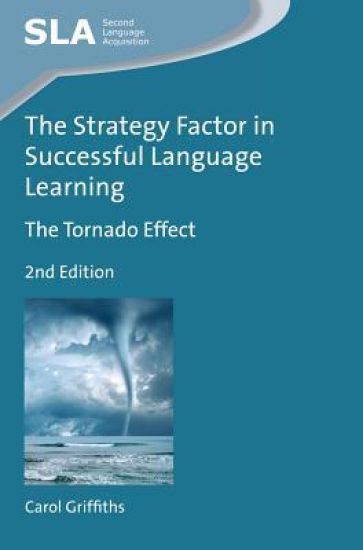
The Strategy Factor in Successful Language Learning

The Strategy Factor in Successful Language Learning

Carol Griffiths

Multilingual Matters
2018
nidottu
This book addresses fundamental questions regarding the relationships between successful language learning and strategy use and development, according to learner, situational or target variables. It considers strategy effectiveness from an individual point of view and discusses pedagogical issues, especially relating to teacher perceptions and training, classroom and learner factors, methodology and content. This new edition has been reworked and revised to include an extensive review, analysis and re-interpretation of the existing literature and an update on the theoretical debate surrounding language learning strategies. The research methodology section has been considerably extended and detailed explanations are now given for how to analyse data from research studies. Rather than focusing on strategies divorced from the 'real world' of the classroom, this book explores the issues from the teaching/learning point of view and will be of interest to students, teachers, trainee teachers, teacher educators and researchers alike.
The Strategy Factor in Successful Language Learning

The Strategy Factor in Successful Language Learning

Carol Griffiths

Multilingual Matters
2018
sidottu
This book addresses fundamental questions regarding the relationships between successful language learning and strategy use and development, according to learner, situational or target variables. It considers strategy effectiveness from an individual point of view and discusses pedagogical issues, especially relating to teacher perceptions and training, classroom and learner factors, methodology and content. This new edition has been reworked and revised to include an extensive review, analysis and re-interpretation of the existing literature and an update on the theoretical debate surrounding language learning strategies. The research methodology section has been considerably extended and detailed explanations are now given for how to analyse data from research studies. Rather than focusing on strategies divorced from the 'real world' of the classroom, this book explores the issues from the teaching/learning point of view and will be of interest to students, teachers, trainee teachers, teacher educators and researchers alike.
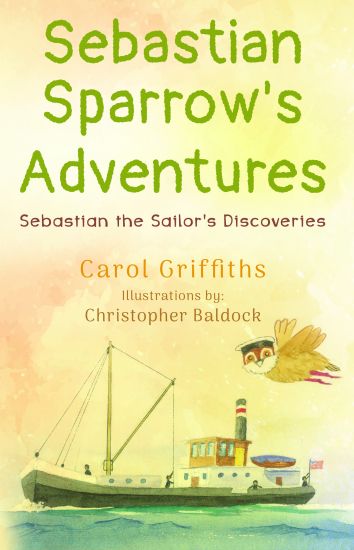
Sebastian Sparrow's Adventures: Sebastian the Sailor's Discoveries
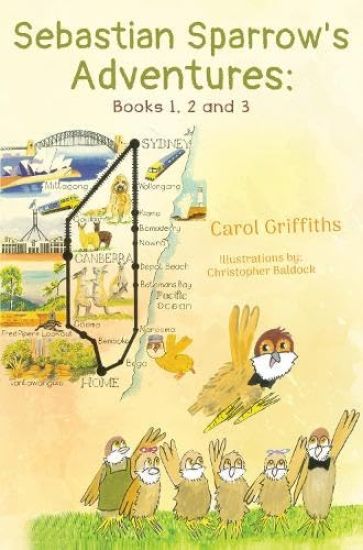
Sebastian Sparrow is a young chick who loves adventures. In this, his second book, Sebastian and his new friend Will (a boy from his neighbourhood) set out on an exciting trip together. Will takes him on a small cargo ship from a town called Eden on the Sapphire Coast of New South Wales, Australia. They sail along the coast and discover new places and all kinds of animals along the way.Sebastian's enthusiasm for learning about new places and creatures makes this a delightful read for all. Stay tuned for the third book in Sebastian Sparrow's Adventures. He boards a train and travels along a part of the coast of Australia. His adventures include meeting some scary and some cuddly animals and visiting amazing places.
Using Literature to Learn and Teach Language

Using Literature to Learn and Teach Language

Carol Griffiths

Springer International Publishing AG
2024
nidottu
This accessibly-written textbook uses the intrinsic appeal of a story to engage students with language, and provides teachers with the background knowledge and the skills to use literature to construct lessons for their classes which integrate all four skills plus language awareness in an enjoyable way. Although a number of books and studies have examined the value of using literature to learn language, literature remains under-represented as a language learning resource. The author argues that the accumulated body of literature represents a bottomless pit of potential material, just waiting to be recognised and enjoyed. From a teacher’s point of view, a lesson based on a literary work can provide an integrated approach to language development which few other approaches can match. A piece of literature can be used to develop all four skills, both receptive and productive (reading, writing, listening speaking) as well as production skills and language awareness. This book willbe an essential resource for pre-service and in-service teachers, teacher trainers, students and scholars of Applied Linguistics, Language Education, TESOL and related subjects.