Kirjojen hintavertailu. Mukana 11 699 587 kirjaa ja 12 kauppaa.

Kirjahaku

Etsi kirjoja tekijän nimen, kirjan nimen tai ISBN:n perusteella.

4 kirjaa tekijältä Caroline Ball

Looked After Children

Looked After Children

Caroline Ball

Red Globe Press
2014
nidottu
How do you apply the principles, structures and processes of the law to everyday practice? Drawing on a wealth of contemporary case examples, this handy pocket book demystifies the complex legislation on Looked After Children and demonstrates the practical duties and responsibilities of professionals working with this group.
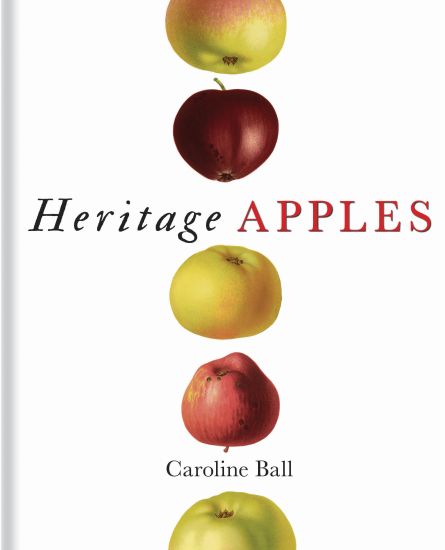
Heritage Apples

Heritage Apples

Caroline Ball

Bodleian Library
2019
sidottu
What would a greengrocer say if you were to ask for half a dozen Grenadiers and a couple of Catsheads? In the course of the past century we have lost much of our rich heritage of orchard fruits, but with taste once again triumphing over shelf-life and a renewed interest in local varieties, we are rediscovering the delights of that most delicious and adaptable fruit: the apple. This book features apples from the Herefordshire Pomona that are still cultivated today. The Pomona – an exquisitely illustrated book of apples and pears – was published at the height of the Victorian era by a small rural naturalists’ club. Its beautiful illustrations and authoritative text are treasured by book collectors and apple experts alike. From the familiar Blenheim Orange and Worcester Pearmain to the less fêted yet scrumptious Ribston Pippin, Margil and Pitmaston Pine Apple, Heritage Apples is illustrated with the Pomona’s stunning paintings and tells the intriguing stories behind each variety, how they acquired their names, and their merits for eating, cooking or making cider. Also including practical advice on how to choose and grow your own trees, this is the perfect book for apple-lovers and growers.
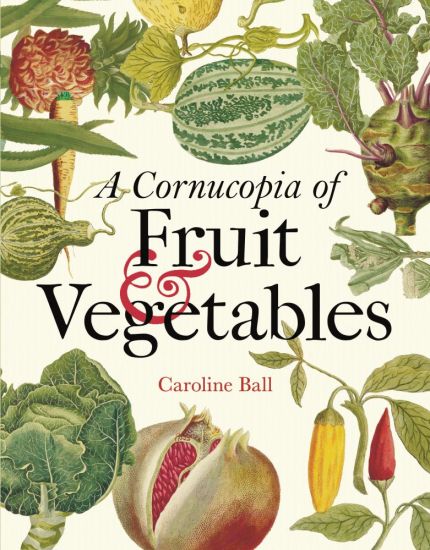
Cornucopia of Fruit & Vegetables, A

Cornucopia of Fruit & Vegetables, A

Caroline Ball

Bodleian Library
2021
sidottu
Close-up photos of plump apricots, juicy mangoes, crisp lettuce … these are familiar to us all through cookery books and garden guides. But seeing fruit and vegetables as detailed art, viewed through eighteenth-century eyes, is something very different – and more interesting. Thanks to intrepid explorers and plant-hunters, Britain and the rest of Europe have long enjoyed a wide and wonderful array of fruit and vegetables. Some wealthy households even created orangeries and glasshouses for tender exotics and special pits in which to raise pineapples, while tomatoes, sweetcorn and runner beans from the New World expanded the culinary repertoire. This wealth of choice attracted interest beyond the kitchen and garden. In the 1730s, a prosperous Bavarian apothecary produced the first volume of a comprehensive A to Z of all available plants, meticulously documented, and lavishly illustrated by botanical artists. 'A Cornucopia of Fruit & Vegetables' is a glimpse into his world. It features exquisite illustrations of the edible plants in his historic treasury, allowing us to enjoy the sight of swan-necked gourds and horned lemons, smile at silkworms hovering over mulberries and delight at the quirkiness of ‘strawberry spinach’ … a delicious medley of garden produce and exotics that will capture the imagination of gardeners and art-lovers alike.
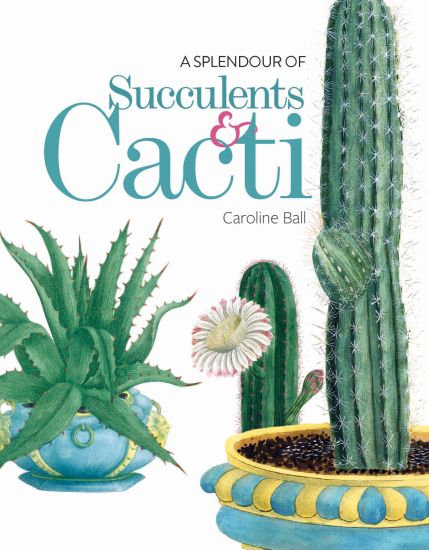
A Splendour of Succulents & Cacti

A Splendour of Succulents & Cacti

Caroline Ball

BODLEIAN LIBRARY
2023
sidottu
Succulents, especially cacti, are the current focus of serious ecological studies but also the darlings of designers and style influencers. Their endearing, characterful looks have given them the status of trendy ‘plant pets’. But succulentomania is not new. While these plants have always been part of the landscape in the dry vastnesses of the Americas, Australia and Africa, curiosities such as furry-flowered stapeliads and euphorbias like snakes were a source of fascination for early European plant collectors – and in eighteenth-century Bavaria a prosperous apothecary grew an ‘American aloe’ that astounded all who saw it. This apothecary, Johann Wilhelm Weinmann, was the mastermind behind a groundbreaking book in which he aimed to include thousands of plants from all over the world, describing their individual characteristics and commissioning magnificent colour illustrations of each specimen. The succulents he featured are reproduced here in all their splendour. We may no longer look to them to treat gangrene, manufacture glass or disperse kidney stones, but succulents are proving of great interest to modern medicine and agriculture, and we can marvel at them afresh not only as wonders of nature but also as works of art.