Kirjojen hintavertailu. Mukana 11 244 527 kirjaa ja 12 kauppaa.

Kirjahaku

Etsi kirjoja tekijän nimen, kirjan nimen tai ISBN:n perusteella.

8 kirjaa tekijältä Catherine Scott

State Failure in Sub-Saharan Africa

State Failure in Sub-Saharan Africa

Catherine Scott

I.B. Tauris
2019
nidottu
How should failed states in Africa be understood? Catherine Scott here critically engages with the concept of state failure and provides an historical reinterpretation. She shows that, although the concept emerged in the context of the post-Cold War new world order, the phenomenon has been attendant throughout (and even before) the development of the Westphalian state system. Contemporary failed states, however, differ from their historical counterparts in one fundamental respect: they fail within their existing borders and continue to be recognised as something that they are not. This peculiarity derives from international norms instituted in the era of decolonisation, which resulted in the inviolability of state borders and the supposed universality of statehood. Scott argues that contemporary failed states are, in fact, failed post-colonies. Thus understood, state failure is less the failure of existing states and more the failed rooting and institutionalisation of imported and reified models of Western statehood.Drawing on insights from the histories of Uganda and Burundi, from pre-colonial polity formation to the present day, she explores why and how there have been failures to create effective and legitimate national states within the bounds of inherited colonial jurisdictions on much of the African continent.
Thinking Kink

Thinking Kink

Catherine Scott

McFarland Co Inc
2015
pokkari
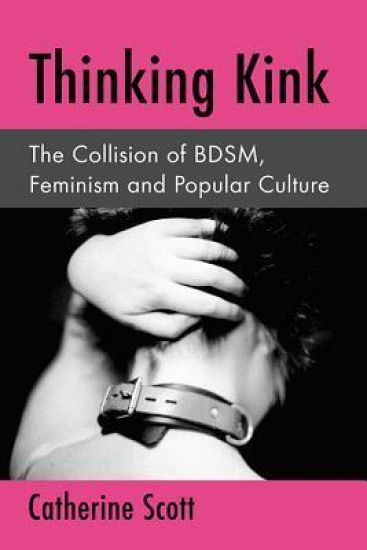
When the mildly kink-themed trilogy 50 Shades of Grey became popular reading in 2012, the media speculated that feminism was in reverse, as the public went mad over bondage and discipline, domination and submission and sadomasochism (BDSM). The novels provoked academic debate about BDSM and the issues it raises for feminists. Is the female dominant truly powerful or is she just another objectified body? Does lesbian BDSM avoid the problematic nature of heterosexual kink, or is it actually more subject to the "male gaze" of feminist theory? And what is it about kink that has creators of pop culture--from Anne Rice to the producers of Scrubs--using it to attract audiences? Examining the tropes of kink in books, TV shows, film and the music industry, this work addresses these and other questions that depictions of BDSM raise for the feminist audience. The author interweaves her own research and experiences in the BDSM scene with the subculture's portrayal in the media. Instructors considering this book for use in a course may request an examination copy here.
Learn to Teach

Learn to Teach

Catherine Scott

Cambridge University Press
2014
pokkari
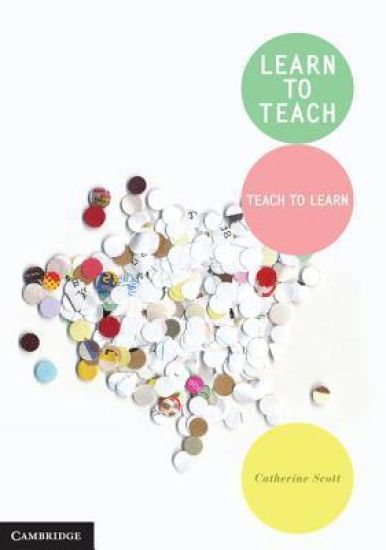
Learn to Teach explores the most up-to-date findings on how children learn, to help teachers create effective learning environments and plan for teaching. Drawing on a neo-Vygotskian approach to learning, it covers the purpose of education; socio-cultural approaches to human cognition; attention and intelligence as cognitive tools; and the role of mindsets, memory and language in learning. It promotes the idea that the mind is a cultural product and that education is best understood as fostering the development of valued cognitive tools appropriate for the twenty-first century. To provide readers with a holistic understanding of learning, the book explores the significant contributions to the study of learning and teaching from psychologists, sociologists and cultural theorists. Readers are encouraged to critically engage with - and challenge - some of the prevailing learning theories in order to better understand their students. Each chapter features classroom observation exercises, discussion questions and links to further reading.
To Deprave and Corrupt

To Deprave and Corrupt

Catherine Scott

McFarland Co Inc
2019
pokkari
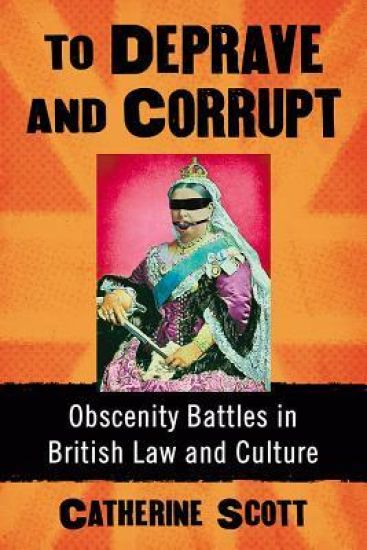
Thousands have run afoul of Britain's Obscene Publications Act--from Victorian erotica presses to 21st-century dominatrices. At a time when the internet has made sexually explicit material ubiquitous, why are British traditional media still regulated by a vaguely worded law from 1857? This comprehensive analysis of obscenity in British culture explores what is considered obscene, who gets to decide, and how class, race and gender inform laws regarding adult content. The author describes how obscenity laws disproportionately affect the BDSM subculture, the LGBT community and feminist porn performers.
State Failure in Sub-Saharan Africa

State Failure in Sub-Saharan Africa

Catherine Scott

I.B. Tauris
2017
sidottu
How should failed states in Africa be understood? Catherine Scott here critically engages with the concept of state failure and provides an historical reinterpretation. She shows that, although the concept emerged in the context of the post-Cold War new world order, the phenomenon has been attendant throughout (and even before) the development of the Westphalian state system. Contemporary failed states, however, differ from their historical counterparts in one fundamental respect: they fail within their existing borders and continue to be recognised as something that they are not. This peculiarity derives from international norms instituted in the era of decolonisation, which resulted in the inviolability of state borders and the supposed universality of statehood. Scott argues that contemporary failed states are, in fact, failed post-colonies. Thus understood, state failure is less the failure of existing states and more the failed rooting and institutionalisation of imported and reified models of Western statehood. Drawing on insights from the histories of Uganda and Burundi, from pre-colonial polity formation to the present day, she explores why and how there have been failures to create effective and legitimate national states within the bounds of inherited colonial jurisdictions on much of the African continent.