

Kirjahaku
Etsi kirjoja tekijän nimen, kirjan nimen tai ISBN:n perusteella.
16 kirjaa tekijältä Charlie W. Sterling
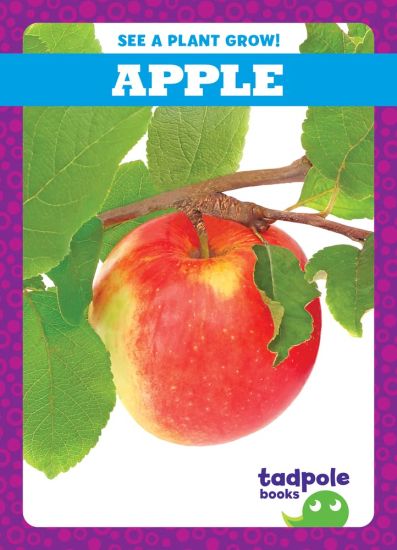
In this book, beginning readers are introduced to the life cycle of an apple tree, how it grows from a seed, and how it produces the apples we eat. High-frequency words and repetitive sentence patterns work together with strong visual references to support the earliest readers and create a fun first nonfiction reading experience. Apple includes Tools for Teachers and Caregivers, a Let's Review question and image, and introductory nonfiction features such as labels, a table of contents, words to know, and an index. Apple is part of Jump 's See a Plant Grow series.
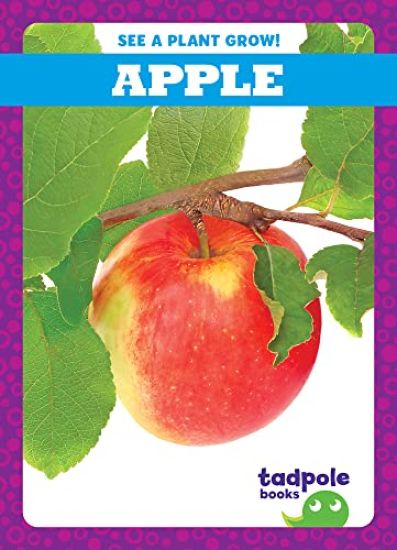
In this book, beginning readers are introduced to the life cycle of an apple tree, how it grows from a seed, and how it produces the apples we eat. High-frequency words and repetitive sentence patterns work together with strong visual references to support the earliest readers and create a fun first nonfiction reading experience. Apple includes Tools for Teachers and Caregivers, a Let's Review question and image, and introductory nonfiction features such as labels, a table of contents, words to know, and an index. Apple is part of Jump 's See a Plant Grow series.

In this book, beginning readers are introduced to the life cycle of a blueberry, showing and telling how it begins as a bud, blossoms into flowers, and then turns green and pink before growing into a ripe blueberry we can eat. High-frequency words and repetitive sentence patterns work together with strong visual references to support the earliest readers and create a fun first nonfiction reading experience. Blueberry includes Tools for Teachers and Caregivers, a Let's Review question and image, and introductory nonfiction features such as labels, a table of contents, words to know, and an index. Blueberry is part of Jump 's See a Plant Grow series.

In this book, beginning readers are introduced to the life cycle of corn. Each spread follows and labels steps in the plant's development, from kernel to ears that are ready for harvest. High-frequency words and repetitive sentence patterns work together with strong visual references to support the earliest readers and create a fun first nonfiction reading experience. Corn includes Tools for Teachers and Caregivers, a Let's Review question and image, and introductory nonfiction features such as labels, a table of contents, words to know, and an index. Corn is part of Jump 's See a Plant Grow series.
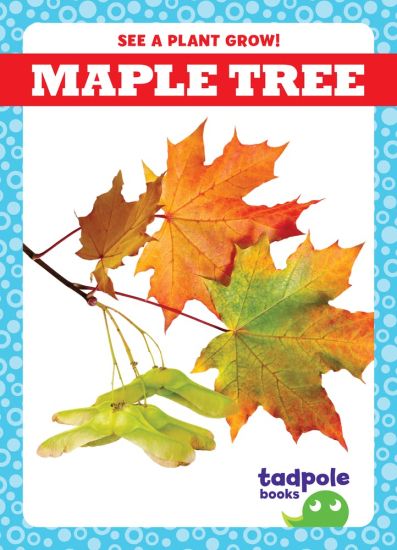
In this book, beginning readers are introduced to the life cycle of a maple tree. From seed to sapling, each spread follows and labels steps in the tree's development. High-frequency words and repetitive sentence patterns work together with strong visual references to support the earliest readers and create a fun first nonfiction reading experience. Maple Tree includes Tools for Teachers and Caregivers, a Let's Review question and image, and introductory nonfiction features such as labels, a table of contents, words to know, and an index. Maple Tree is part of Jump 's See a Plant Grow series.

In this book, beginning readers are introduced to the life cycle of a pumpkin. From seed to fruit, each spread follows and labels steps in the plant's development. High-frequency words and repetitive sentence patterns work together with strong visual references to support the earliest readers and create a fun first nonfiction reading experience. Pumpkin includes Tools for Teachers and Caregivers, a Let's Review question and image, and introductory nonfiction features such as labels, a table of contents, words to know, and an index. Pumpkin is part of Jump 's See a Plant Grow series.

In this book, beginning readers are introduced to the life cycle of a pumpkin. From seed to fruit, each spread follows and labels steps in the plant's development. High-frequency words and repetitive sentence patterns work together with strong visual references to support the earliest readers and create a fun first nonfiction reading experience. Pumpkin includes Tools for Teachers and Caregivers, a Let's Review question and image, and introductory nonfiction features such as labels, a table of contents, words to know, and an index. Pumpkin is part of Jump 's See a Plant Grow series.

In this book, beginning readers are introduced to the life cycle of a sunflower. From seeding to blooming, each spread follows and labels steps in the flower's development. High-frequency words and repetitive sentence patterns work together with strong visual references to support the earliest readers and create a fun first nonfiction reading experience. Sunflower includes Tools for Teachers and Caregivers, a Let's Review question and image, and introductory nonfiction features such as labels, a table of contents, words to know, and an index. Sunflower is part of Jump 's See a Plant Grow series.

In this book, beginning readers are introduced to the life cycle of a sunflower. From seeding to blooming, each spread follows and labels steps in the flower's development. High-frequency words and repetitive sentence patterns work together with strong visual references to support the earliest readers and create a fun first nonfiction reading experience. Sunflower includes Tools for Teachers and Caregivers, a Let's Review question and image, and introductory nonfiction features such as labels, a table of contents, words to know, and an index. Sunflower is part of Jump 's See a Plant Grow series.

In this book, beginning readers are introduced to the life cycle of a tomato. From seed to fruit, each spread follows and labels steps in the plant's development. High-frequency words and repetitive sentence patterns work together with strong visual references to support the earliest readers and create a fun first nonfiction reading experience. Tomato includes Tools for Teachers and Caregivers, a Let's Review question and image, and introductory nonfiction features such as labels, a table of contents, words to know, and an index. Tomato is part of Jump 's See a Plant Grow series.

In this book, beginning readers are introduced to the life cycle of a tomato. From seed to fruit, each spread follows and labels steps in the plant's development. High-frequency words and repetitive sentence patterns work together with strong visual references to support the earliest readers and create a fun first nonfiction reading experience. Tomato includes Tools for Teachers and Caregivers, a Let's Review question and image, and introductory nonfiction features such as labels, a table of contents, words to know, and an index. Tomato is part of Jump 's See a Plant Grow series.

In this book, beginning readers are introduced to the life cycle of a watermelon. From seed to fruit, each spread follows and labels steps in the plant's development. High-frequency words and repetitive sentence patterns work together with strong visual references to support the earliest readers and create a fun first nonfiction reading experience. Watermelon includes Tools for Teachers and Caregivers, a Let's Review question and image, and introductory nonfiction features such as labels, a table of contents, words to know, and an index. Watermelon is part of Jump 's See a Plant Grow series.
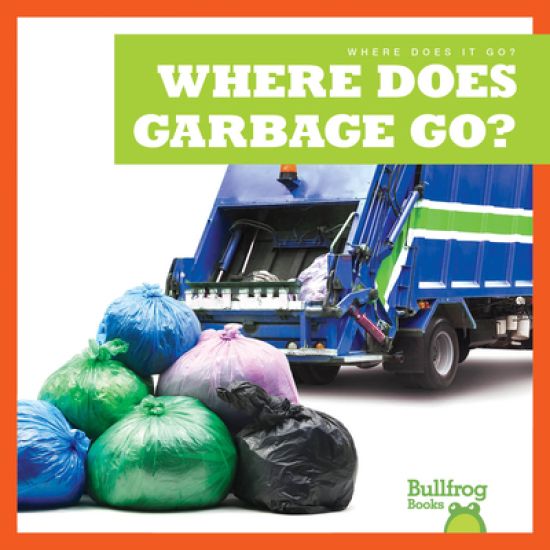
In Where Does Garbage Go?, early fluent readers follow trash as it leaves the home and heads to the landfill and all the steps in between. Vibrant, full-color photos and carefully leveled text will engage young readers as they learn about what happens to garbage. An infographic illustrates the steps of the process with real photos and descriptions. Children can learn more about garbage and landfills using our safe search engine that provides relevant, age-appropriate websites. Where Does Garbage Go? also features reading tips for teachers and parents, a table of contents, a glossary, and an index. Where Does Garbage Go? is part of Jump 's Where Does It Go? series.

In Where Does Water Go?, early fluent readers follow water as it leaves the home and travels either to a septic tank or a wastewater treatment plant. Vibrant, full-color photos and carefully leveled text will engage young readers as they learn about what happens to water after it is flushed or goes down the drain. An infographic illustrates the steps of the process with real photos and descriptions. Children can learn more about wastewater using our safe search engine that provides relevant, age-appropriate websites. Where Does Water Go? also features reading tips for teachers and parents, a table of contents, a glossary, and an index. Where Does Water Go? is part of Jump 's Where Does It Go? series.

¿qué Pasa Con Lo Reciclable? (Where Does Recycling Go?)
Charlie W. Sterling
Bullfrog Books
2020
sidottu
In Where Does Recycling Go?, early fluent readers follow recyclables as they leave the home and head to a recycling plant to get sorted and all the steps in between. Vibrant, full-color photos and carefully leveled text will engage young readers as they learn about what happens to recyclables and how they're made into new products. An infographic illustrates the steps of the process with real photos and descriptions. Children can learn more about recycling using our safe search engine that provides relevant, age-appropriate websites. Where Does Recycling Go? also features reading tips for teachers and parents, a table of contents, a glossary, and an index. Where Does Recycling Go? is part of Jump 's Where Does It Go? series.