
Kirjahaku
Etsi kirjoja tekijän nimen, kirjan nimen tai ISBN:n perusteella.
14 kirjaa tekijältä Chris Petit
An epic and hauntingly topical geopolitical thriller spanning six decades and three continents, The Human Pool confirms the journalist and award-winning filmmaker Chris Petit as the heir to John le Carré and Robert Harris.THE HUMAN POOLRumors about Willi Schmidt's actions during the Second World War were enigmatic, to say the least. He worked for U.S. Intelligence out of Switzerland; he cut black-market deals on the side; he rescued scores of Jews from the Nazis. Saint or sinner? Either way, Schmidt was strictly murky waters -- and reports of his death in 1945 surprised no one. Sixty years later, Joe Hoover is convinced Schmidt is still alive, armed with a false name and a fortune in pharmaceuticals. For years, Hoover, former Intelligence courier for the American spymaster Allen Dulles, has been haunted by misgivings about his own wartime role in his boss's top-secret financial partnership with the Third Reich. Now, someone wants Hoover dead. Back in Europe, Hoover discovers that operations he thought had ended long ago are still being played out. Forming an uneasy alliance with Vaughan, an undercover journalist investigating neo-Nazi traffic of Kurdish refugees, he begins to unravel a conspiracy that leads deep into his past, to his days mixing with Nazi officers in the supposedly neutral cities of Zurich, Istanbul, and Budapest, where enemies did deals over cocktails. At each step, Hoover finds the shadow of Willi Schmidt and the specter of World War II's most grotesque and enduring legacy -- a trade in people: the human pool.Set against a vivid historical backdrop, The Human Pool mixes fiction and fact to explosive effect. Chris Petit has crafted his finest novel yet -- a cosmopolitan, thinking-person's thriller that turns the world inside out and traces its veins: It spells nothing less than the rebirth of the great espionage novel.
A dark, chilling and mesmerising thriller set in wartime Berlin, for fans of Joseph Kanon and Robert Harris
'One of Britain's most visionary writers' David Peace
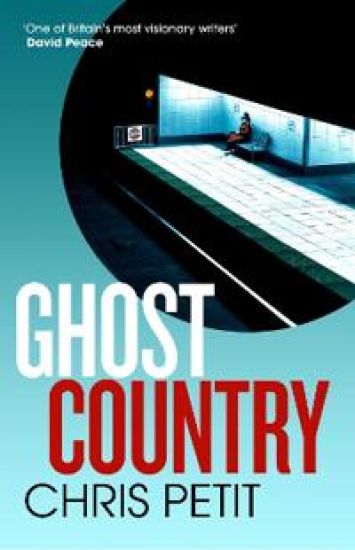
A breath-taking contemporary thriller for readers of Robert Harris, John le Carre and Martin Cruz Smith
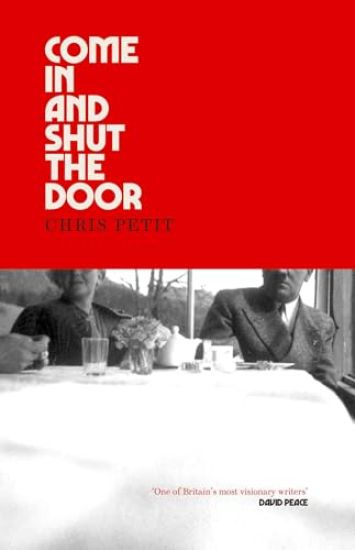
The new epic new novel from the cult film maker and author of The Psalm Killer and Robinson.
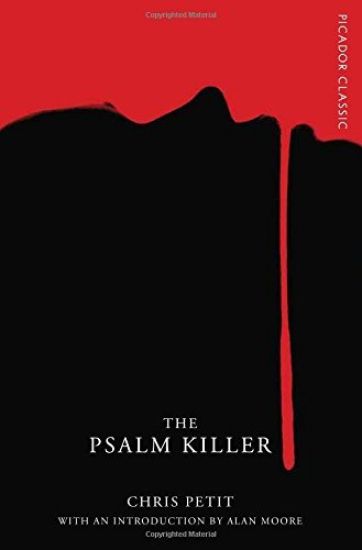
With an introduction by Alan MooreIt was always the same nightmare. Cross saw them lined up in rows, in stretches of city wasteland - those derelict spaces once described to him by a child as the blank bits where things had been before they'd got blown up.It is 1985 and a killer moves through Belfast's blighted streets. In a time and place ruled and divided by political and religious differences, this series of crimes cuts across all those boundaries. Detective Inspector Cross, together with Westerby, a young policewoman, enters a maze of conspiracy and paranoia, and, as the investigation draws closer to the truth, they find themselves in a nightmare world, with little hope of escape.The Psalm Killer is Chris Petit's epic thriller set during the Irish Troubles. Masterfully written, disturbing and exciting, it is a book of immense intelligence and a real classic of its genre.
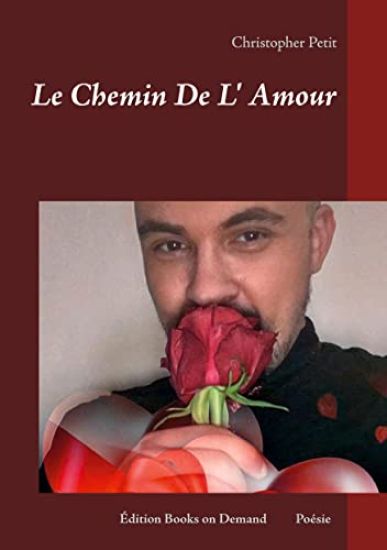
Le Chemin De L'Amour est un recueil de po sie constitu de po mes d'amour. L'amour est le th me central de notre vie que chacun d'entre nous peuvent s'approprier travers sa propre histoire. La po sie laisse s'associer des mots dont le sens peut parfois nous chapper, mais il est surtout l' closion de sentiments profonds, un art subliminal de notre vie.

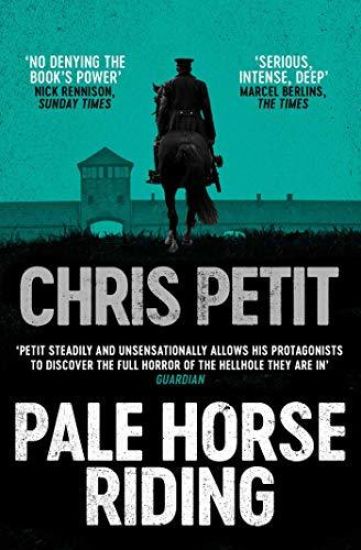
'One of Britain's most visionary writers' David Peace
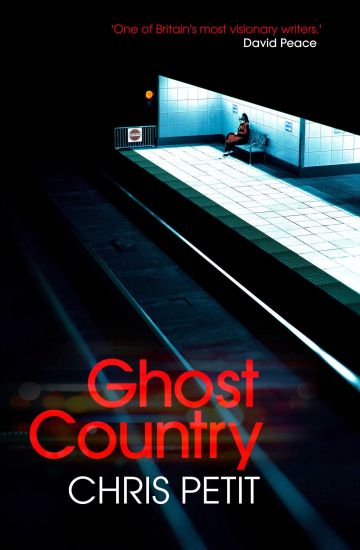
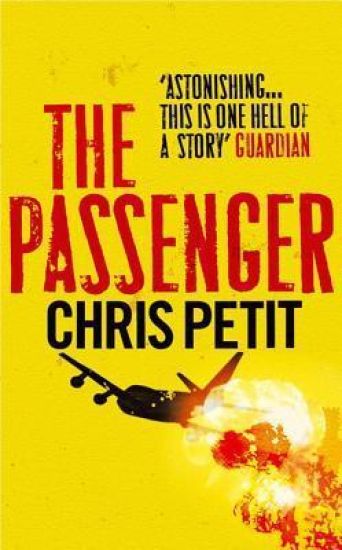
'The mother of all conspiracy theories' (The Times): A riveting thriller that pits an ordinary man against the might of the International Security Services in the wake of an airline bombing.
The Liberated Film Club is a collection of transcriptions, special commissions and texts anchored in a series of screenings held at London's Close-Up Film Centre, 2016 to 2020, and curated by Stanley Schtinter. From its onset to its end, the Club guaranteed a wide wingspan for critical conversation. Screening liberated film (titles drawn from Schtinter's expansive archive of 'lost, suppressed and impossible' motion picture), a guest would be invited to introduce a film; an audience seated to watch it through; but there'd be a disruption to that typical format. Neither the audience nor the guest would have any idea what would be shown, and this anonymised arrangement would invite broad and antagonistic perambulation on the what, the why and the how of film; on the act(s) of showing, sharing, and seeing. Playing with the ways we reproach the institutions built around all our cultures of making, and the manners and methods of an elsewhere dominant culture of consumption, the Liberated Film Club was a rare reflection on the act of reflection itself. This collection-an unabridged collation of works pertaining to this series-is a unique proposition. It is urgent, exciting, and sincere in its silliness; challenging received notions of critical exchange, and abandoning entirely the dogma of atomised, predictable viewing. It is a profound celebration of community and conversation, and a timely paean to free, shared space.