Kirjojen hintavertailu. Mukana 11 244 527 kirjaa ja 12 kauppaa.

Kirjahaku

Etsi kirjoja tekijän nimen, kirjan nimen tai ISBN:n perusteella.

8 kirjaa tekijältä Christopher Barnes

Boris Pasternak: Volume 1, 1890–1928

Boris Pasternak: Volume 1, 1890–1928

Christopher Barnes

Cambridge University Press
1989
sidottu
This authoritative new biography of the Russian poet and prose writer Boris Pasternak is the first part of a two-volume set, covering the period 1890-1928. Drawing on archives and many eyewitness accounts, Barnes' study sheds light on currently unexplored aspects of Pasternak's character and family background, and his artistic, social and historical environment. He combines biographical investigation with detailed textual analysis of translated quotations in verse and prose to reveal the source of Pasternak's extraordinary writings. The book examines a wide range of topics that include his musical enthusiasm and relations with Scriabin, his philosophical studies, his activities in World War I and his response to the 1917 revolutions, and his stance as a liberal artistic intellectual in the 1920s.
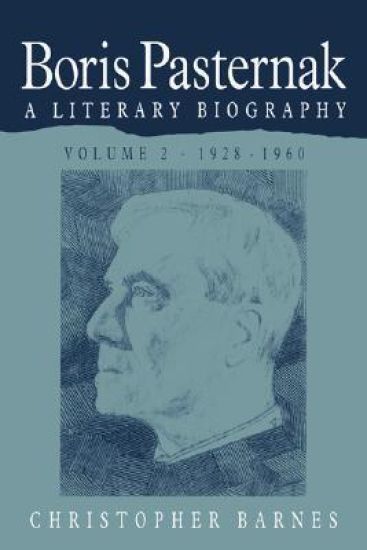
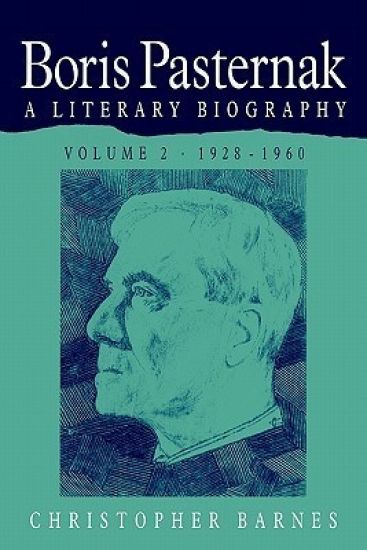
Boris Pasternak: Volume 2, 1928–1960

Boris Pasternak: Volume 2, 1928–1960

Christopher Barnes

Cambridge University Press
1998
sidottu
This concluding volume of Christopher Barnes’s acclaimed biography of the Russian poet and prose-writer Boris Pasternak covers the period from 1928 to his death, during which he wrote the famous Dr Zhivago and was awarded the Nobel Prize for Literature. Drawing on archive material (including the Pasternak family archive), eyewitness accounts and a huge range of biographical and background information, Barnes brings to light many aspects of Pasternak’s personality and private life, while illuminating his relations with the Communist régime and the literary establishment. There is a detailed discussion of Pasternak’s original writing (with ample quotation in English translation), and his translations of Goethe, Shakespeare and others. The growth story of Dr Zhivago is traced, and the personal and political implications of the novel’s controversial publication explored. The biography concludes with a discussion of Pasternak’s Nobel Prize award, final years and death, with a brief account of his posthumous and artistic legacy.
Boris Pasternak

Boris Pasternak

Christopher Barnes

Cambridge University Press
2004
pokkari
This authoritative new biography of the Russian poet and prose writer Boris Pasternak is the first part of a two-volume set, covering the period 1890-1928. Drawing on archives and many eyewitness accounts, Barnes' study sheds light on currently unexplored aspects of Pasternak's character and family background, and his artistic, social and historical environment. He combines biographical investigation with detailed textual analysis of translated quotations in verse and prose to reveal the source of Pasternak's extraordinary writings. The book examines a wide range of topics that include his musical enthusiasm and relations with Scriabin, his philosophical studies, his activities in World War I and his response to the 1917 revolutions, and his stance as a liberal artistic intellectual in the 1920s.
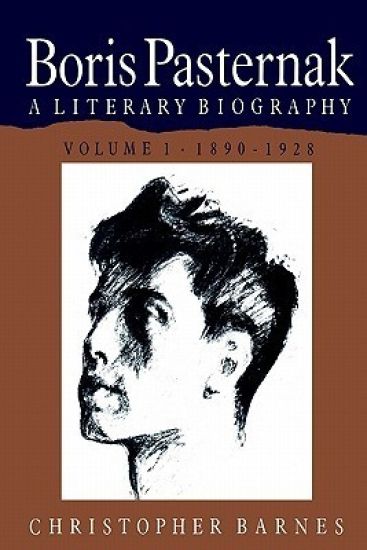
Boris Pasternak

Boris Pasternak

Christopher Barnes

Cambridge University Press
2004
pokkari
This concluding volume of Christopher Barnes’s acclaimed biography of the Russian poet and prose-writer Boris Pasternak covers the period from 1928 to his death, during which he wrote the famous Dr Zhivago and was awarded the Nobel Prize for Literature. Drawing on archive material (including the Pasternak family archive), eyewitness accounts and a huge range of biographical and background information, Barnes brings to light many aspects of Pasternak’s personality and private life, while illuminating his relations with the Communist régime and the literary establishment. There is a detailed discussion of Pasternak’s original writing (with ample quotation in English translation), and his translations of Goethe, Shakespeare and others. The growth story of Dr Zhivago is traced, and the personal and political implications of the novel’s controversial publication explored. The biography concludes with a discussion of Pasternak’s Nobel Prize award, final years and death, with a brief account of his posthumous and artistic legacy.