Kirjojen hintavertailu. Mukana 11 358 428 kirjaa ja 12 kauppaa.

Kirjahaku

Etsi kirjoja tekijän nimen, kirjan nimen tai ISBN:n perusteella.

3 kirjaa tekijältä Christopher J. Einolf

George Thomas

George Thomas

Christopher J. Einolf

University of Oklahoma Press
2010
nidottu
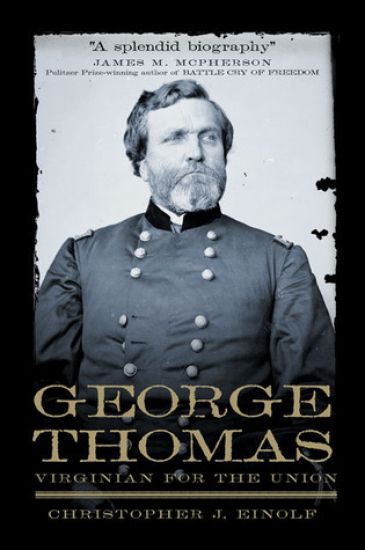
One of the North's greatest generals - the Rock of ChickamaugaMost Southerners in the U.S. Army resigned their commissions to join the Confederacy in 1861. But at least one son of a distinguished, slaveholding Virginia family remained loyal to the Union. George H. Thomas fought for the North and secured key victories at Chickamauga and Nashville. Thomas's wartime experiences transformed him from a slaveholder to a defender of civil rights.Remembered as the ""Rock of Chickamauga,"" Thomas became one of the most prominent Union generals and was even considered for overall command of the Union Army in Virginia. Yet he has been eclipsed by such names as Grant, Sherman, and Sheridan.Offering vivid accounts of combat, Einolf depicts the fighting from Thomas's perspective to allow a unique look at the real experience of decision making on the battlefield. He examines the general's recurring confrontations with the Union high command to make a strong case for Thomas's integrity and competence, even as he exposes Thomas's shortcomings and poor decisions. The result is a more balanced, nuanced picture than has previously been available.Probing Thomas's personal character, Einolf reveals how a son of the South could oppose the views of friends and family. George Thomas: Virginian for the Union offers a fresh appraisal of an important career and lends new insight into the inner conflicts of the Civil War.
America in the Philippines, 1899-1902

America in the Philippines, 1899-1902

Christopher J. Einolf

Palgrave Macmillan
2014
sidottu
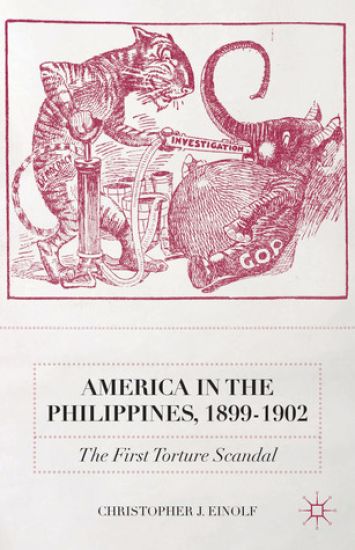
America in the Philippines, 1899-1902: The First Torture Scandal analyzes the US army's use of the 'water cure' torture in the Philippine War and the ensuing political scandal that resulted. Drawing on primary source documents to construct a detailed narrative history of the events, the book also proposes an original theory for the causes of torture, which emphasizes the moral agency of low-level actors. Einolf uses the historical debate to illuminate theories of present-day human rights advocacy. The conclusion relates the Philippine War case to the more recent use of torture under the George W. Bush administration and makes recommendations for researchers and advocates.
Why Torture Persists

Why Torture Persists

Christopher J. Einolf

JOHN WILEY AND SONS LTD
2025
sidottu
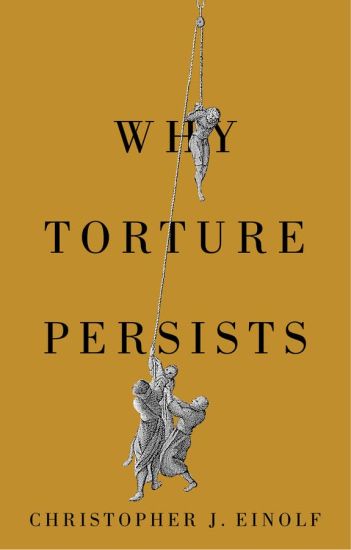
Since antiquity, governments have used torture to gather information and determine guilt. But its track record is shaky, to say the least: thinkers from Aristotle to the present have observed that torture does not work, and thinkers from Foucault to Orwell have doubted that this is torture’s true purpose. Guilty people can resist torture and remain silent, while innocent people can give in and tell their torturers what they want to hear. Why, then, do governments keep using it?In this timely and compelling book, Chistopher J. Einolf recounts the history of torture from public trials in ancient Athens to the international scandal of Abu Ghraib. He details its brutal use in the persecution of the Templars, the Spanish Inquisition, and early modern witch hunts; describes its abolition in the 18th century; and tracks its alarming resurgence across the 20th and 21st centuries. In exposing torture’s sordid past, Einolf also explores the social science of torture, supplementing a broad historical account with relevant insights from sociology, political science, and psychology. The distressing reality is that governments use torture as a tool of oppression: convinced that they are beset by traitors and enemies, those with power torture victims until they confirm their worst fears.Chilling yet vital, Why Torture Persists is a call to face humanity’s troubling weapons of political coercion and control head-on. Despite recounting a disturbing history, Why Torture Persists ultimately concludes with hope. It is only by understanding torture that we can learn how to prevent it.