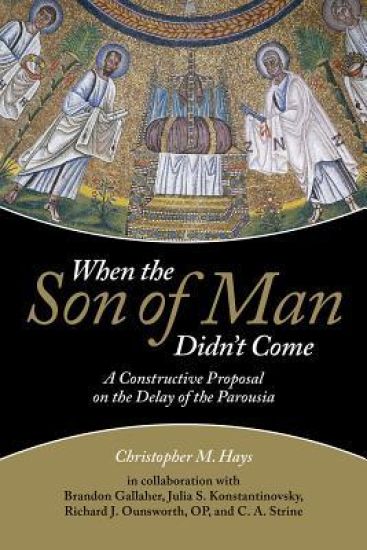
The delay of the Parousia-the second coming of Christ-has vexed Christians since the final decades of the first century. This volume offers a critical, constructive, and interdisciplinary solution to that dilemma. The argument is grounded in Christian tradition while remaining fully engaged with the critical insights and methodological approaches of twenty-first-century scholars. The authors argue that the deferral of Christ's prophesied return follows logically from the conditional nature of ancient predictive prophecy: Jesus has not come again because God's people have not yet responded sufficiently to Christ's call for holy and godly action. God, in patient mercy, remains committed to cooperating with humans to bring about the consummation of history with Jesus' return.Collaboratively written by an interdisciplinary and ecumenical team of scholars, the argument draws on expertise in biblical studies, systematics, and historical theology to fuse critical biblical exegesis with a powerful theological paradigm that generates an apophatic and constructive Christian eschatology.The authors, however, have done more than tackle a daunting theological problem: as the group traverses issues from higher criticism through doctrine and into liturgy and ethics, they present an innovative approach for how to do Christian theology in the twenty-first-century academy.