Kirjojen hintavertailu. Mukana 11 699 587 kirjaa ja 12 kauppaa.

Kirjahaku

Etsi kirjoja tekijän nimen, kirjan nimen tai ISBN:n perusteella.

3 kirjaa tekijältä Christopher R. Hill

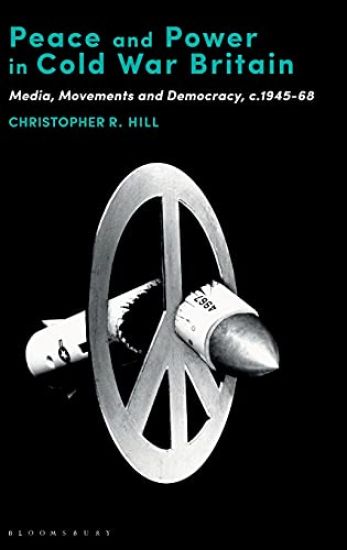
Peace and Power in Cold War Britain

Peace and Power in Cold War Britain

Christopher R. Hill

Bloomsbury Academic
2020
nidottu
Peace and Power in Cold War Britain explores the ban the bomb and anti-Vietnam War movements from the perspective of media history, focusing in particular on the relationship between radicalism and the rise of television. In doing so, it addresses two questions, both of which seem to recur with each major breakthrough in communications technology: what do advances in communications media mean for democratic participation in politics and how do distinctive types of media condition the very nature of that participation itself? In answering these, the book views the ban the bomb and anti-Vietnam War movements in relation to communication power and media discourse. It highlights how these movements intersected with parts of public life that were being transformed by television themselves, shaping struggles for social change among activists and public intellectuals on the streets, in the Labour Party and in the law courts. The significance of this relationship between media and movements was complex and wide-ranging. Christopher R. Hill demonstrates that it contributed to the enrichment of democracy in Cold War Britain, with radicals serving to innovate and pioneer creative forms of political expression from both in and outside of media organisations. However, the movements increasingly succumbed to news coverage and values that revolved around human interest and violence, feeding into the revolutionary spectacle of 1968 and the turn towards identity politics.
Outpost: A Diplomat at Work

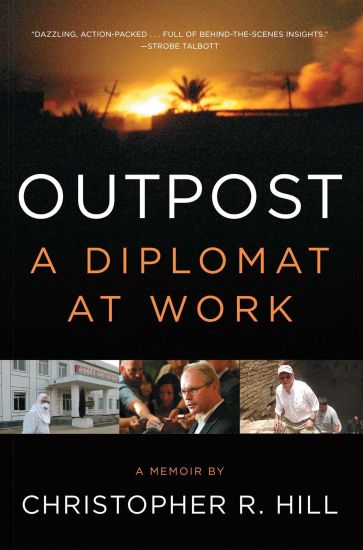
Outpost: A Diplomat at Work

Christopher R. Hill

SIMON SCHUSTER
2015
nidottu
A "candid, behind-the-scenes" (The Dallas Morning News) memoir from one of our most distinguished ambassadors who--in his career of service to the country--was sent to some of the most dangerous outposts of American diplomacy. Christopher Hill was on the front lines in the Balkans at the breakup of Yugoslavia. He participated in one-on-one meetings with the dictator Milosevic and traveled to Bosnia and Kosovo, and to the Dayton conference, where a truce was arrived at. He was the first American Ambassador to Macedonia; Ambassador to Poland, in the cold war; chief disarmament negotiator in North Korea; and Hillary Clinton's hand-picked Ambassador to Iraq. Outpost is Hill's "lively, entertaining...introduction to the difficult game of diplomacy" (The Washington Post)--an adventure story of danger, loss of comrades, high stakes negotiations, and imperfect options. There are fascinating portraits of war criminals (Mladic, Karadzic), of presidents (Bush, Clinton, and Obama), of vice presidents including Dick Cheney, of Secretaries of State Madeleine Albright and Hillary Clinton and Secretary of Defense Robert Gates, and of Ambassadors Richard Holbrooke and Lawrence Eagleburger, among others. Hill writes bluntly about the bureaucratic warfare in DC and expresses strong criticism of America's aggressive interventions and wars of choice. From the wars in the Balkans to the brutality of North Korea to the endless war in Iraq, Outpost "is a personal story, filled with the intricacies of living abroad, coping with the bureaucracy of the huge US foreign-policy establishment, and trying to persuade some very difficult people that America really does want to help them" (Providence Journal).
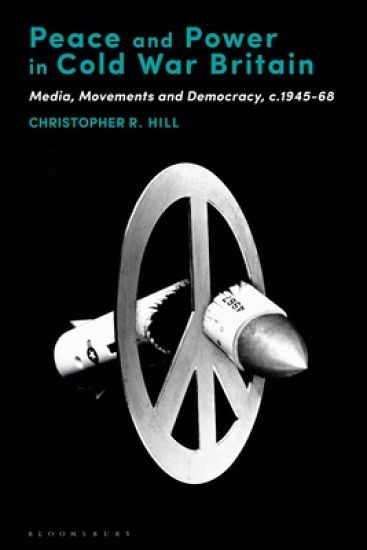
Peace and Power in Cold War Britain

Peace and Power in Cold War Britain

Christopher R. Hill

Bloomsbury Academic
2018
sidottu
Peace and Power in Cold War Britain explores the ban the bomb and anti-Vietnam War movements from the perspective of media history, focusing in particular on the relationship between radicalism and the rise of television. In doing so, it addresses two questions, both of which seem to recur with each major breakthrough in communications technology: what do advances in communications media mean for democratic participation in politics and how do distinctive types of media condition the very nature of that participation itself? In answering these, the book views the ban the bomb and anti-Vietnam War movements in relation to communication power and media discourse. It highlights how these movements intersected with parts of public life that were being transformed by television themselves, shaping struggles for social change among activists and public intellectuals on the streets, in the Labour Party and in the law courts. The significance of this relationship between media and movements was complex and wide-ranging. Christopher R. Hill demonstrates that it contributed to the enrichment of democracy in Cold War Britain, with radicals serving to innovate and pioneer creative forms of political expression from both in and outside of media organisations. However, the movements increasingly succumbed to news coverage and values that revolved around human interest and violence, feeding into the revolutionary spectacle of 1968 and the turn towards identity politics.