Kirjojen hintavertailu. Mukana 12 083 983 kirjaa ja 12 kauppaa.

Kirjahaku

Etsi kirjoja tekijän nimen, kirjan nimen tai ISBN:n perusteella.

4 kirjaa tekijältä Claire Robson

Writing for Change

Writing for Change

Claire Robson

Peter Lang Publishing Inc
2012
nidottu
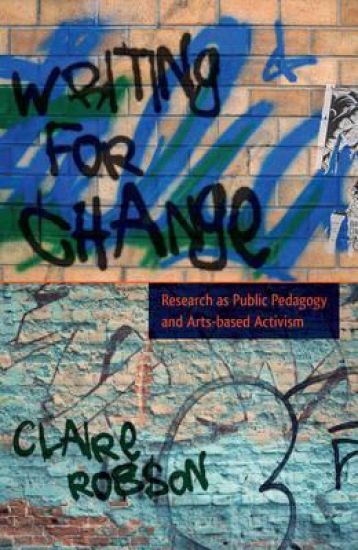
In its analysis of the potential and realities of narrative inquiry, Writing for Change is both theoretical and highly practical, offering a way to conceptualize this kind of research and providing concrete suggestions as to how it might be conducted. With its emphasis on arts-based activist education, the book also contributes to current conversations about public pedagogy. Though many educators and researchers are moving into this burgeoning field, there is a pressing need for practical examination of methodologies. Practitioners and researchers working in psychoanalytic theory will find the book useful, particularly those interested in the intersections of literature, education, and psychoanalysis. Indeed, the research methodologies and pedagogical strategies presented in the book should prove useful in a broad range of research and/or educational settings. Also, the book’s appeal is not limited to those studying the experience and voices of people who identify as lesbian, gay, bisexual, or transsexual, but to any marginalized population.
Writing for Change

Writing for Change

Claire Robson

Peter Lang Publishing Inc
2012
sidottu
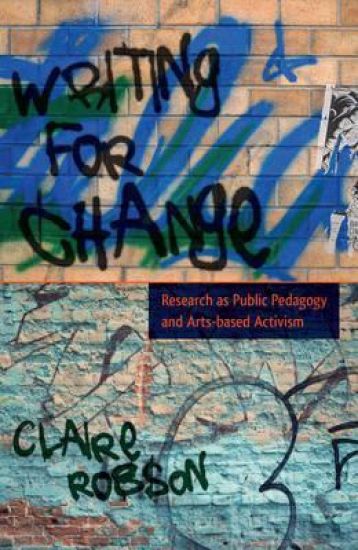
In its analysis of the potential and realities of narrative inquiry, Writing for Change is both theoretical and highly practical, offering a way to conceptualize this kind of research and providing concrete suggestions as to how it might be conducted. With its emphasis on arts-based activist education, the book also contributes to current conversations about public pedagogy. Though many educators and researchers are moving into this burgeoning field, there is a pressing need for practical examination of methodologies. Practitioners and researchers working in psychoanalytic theory will find the book useful, particularly those interested in the intersections of literature, education, and psychoanalysis. Indeed, the research methodologies and pedagogical strategies presented in the book should prove useful in a broad range of research and/or educational settings. Also, the book’s appeal is not limited to those studying the experience and voices of people who identify as lesbian, gay, bisexual, or transsexual, but to any marginalized population.
Writing Beyond Recognition

Writing Beyond Recognition

Claire Robson

Stylus Publishing
2020
sidottu
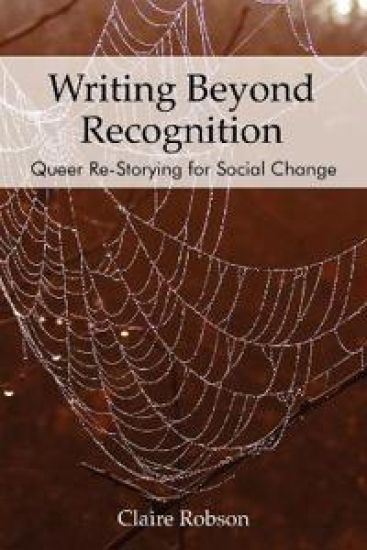
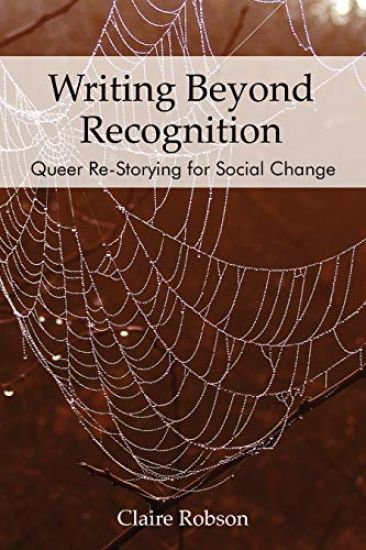
Writing Beyond Recognition: Queer Re-Storying for Social Change documents and analyzes the insidious ways heteronormativity produces homophobia and heterosexism, including how this operates and is experienced by those who identify as gay, lesbian, bisexual, transgendered and queer. Using critical arts research practices read through queer and feminist theories and perspectives, the chapters in the book describe how participants who identified as lesbian, gay, bisexual and transgendered gained critical insights by learning to write and read about their experiences in new ways. Their revised queer stories function to enable a movement beyond merely recognizing to appreciating and understanding those differences. Robson offers a powerful argument about how everyone is narrated by and through discourses of gender and sexuality. Therefore, the content of the book is directed at all readers, not only those who identify as gay, lesbian, bisexual, transgendered or queer. The book will be important as a text in any course or area of study that is focused on inclusive education, cultural studies in education, critical arts research methods, gender and sexuality studies, and critical literacy approaches in education.
Writing Beyond Recognition

Writing Beyond Recognition

Claire Robson

Stylus Publishing
2020
nidottu
Writing Beyond Recognition: Queer Re-Storying for Social Change documents and analyzes the insidious ways heteronormativity produces homophobia and heterosexism, including how this operates and is experienced by those who identify as gay, lesbian, bisexual, transgendered and queer. Using critical arts research practices read through queer and feminist theories and perspectives, the chapters in the book describe how participants who identified as lesbian, gay, bisexual and transgendered gained critical insights by learning to write and read about their experiences in new ways. Their revised queer stories function to enable a movement beyond merely recognizing to appreciating and understanding those differences. Robson offers a powerful argument about how everyone is narrated by and through discourses of gender and sexuality. Therefore, the content of the book is directed at all readers, not only those who identify as gay, lesbian, bisexual, transgendered or queer. The book will be important as a text in any course or area of study that is focused on inclusive education, cultural studies in education, critical arts research methods, gender and sexuality studies, and critical literacy approaches in education.