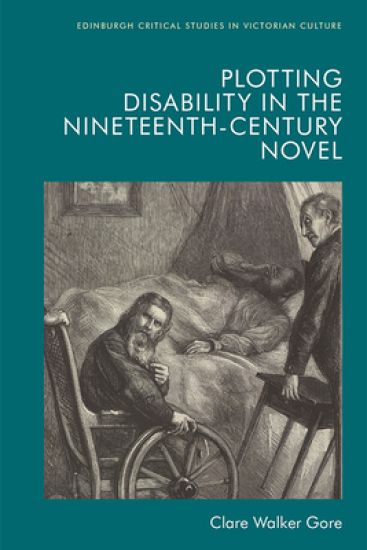
Plotting Disability in the Nineteenth-Century Novel
Clare Walker Gore
Edinburgh University Press
2019
sidottu
Examines the significance of disability in nineteenth-century fictionOffers new insights into how disability shapes plot in nineteenth-century fictionInvestigates the impact of a developing social category on the form of the novel, opening up ways of thinking about the intersection between novelistic characterisation and categories of social organisation Offers new readings of well-known novels by major writers such as Dickens, Eliot and James and brings these texts into conversation with work by more marginalised figures such as Yonge and Craik, considering the relationship between canon formation and the representation of disabilityThis book takes an exciting new approach to characterisation and plot in the Victorian novel, examining the vital narrative work performed by disabled characters. It pdemonstrates the centrality of disability to the Victorian novel, demonstrating how attention to disability sheds new light on texts' arrangement and use of bodies. It also argues that the representation of the disabled body shaped and signalled different generic traditions in nineteenth-century fiction. This wide-ranging study offers new readings of major writers including Charles Dickens, Wilkie Collins, George Eliot and Henry James, as well as exploring lesser known writers such as Charlotte M. Yonge and Dinah Mulock Craik.