Kirjojen hintavertailu. Mukana 11 699 587 kirjaa ja 12 kauppaa.

Kirjahaku

Etsi kirjoja tekijän nimen, kirjan nimen tai ISBN:n perusteella.

5 kirjaa tekijältä Clark Hulse

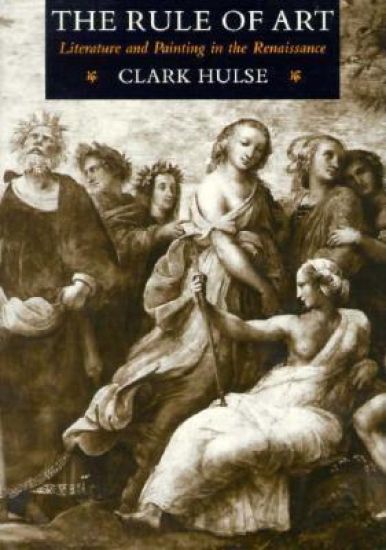
The Rule of Art

The Rule of Art

Clark Hulse

University of Chicago Press
1990
sidottu
What do Renaissance poetry and painting have in common? What are the social, ideological, and aesthetic bases for the links between them? And what role do those links play in creating the humanistic culture that still has power over us today? These are the questions Clark Hulse takes up in this sophisticated interdisciplinary study of Renaissance aesthetics. Proposing an archeology of artistic knowledge, Hulse examines the theoretical language through which the poets, painters, and patrons of the Renaissance conceived of the relationship between the arts. That language is embedded in what he calls a "rule of art," a specific set of categories, assumptions, and practices that defined the two art forms and the relationship between them. Hulse charts the rise of both forms to the status of liberal arts requiring special intellectual training for artist and patron alike. In the process, he uncovers the history of the practice of theory in the Renaissance, revealing how artistic discourse lived in the world.
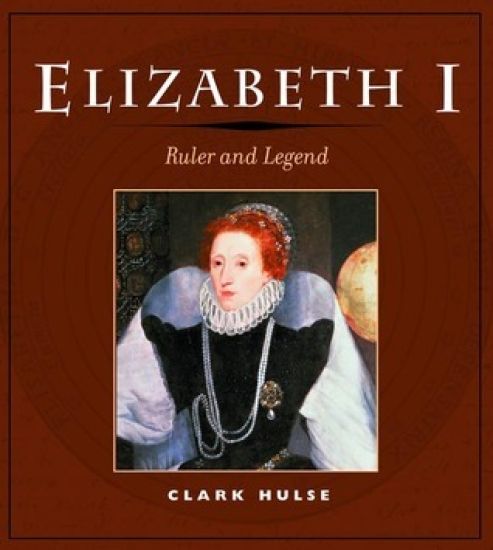
Elizabeth I

Elizabeth I

Clark Hulse

University of Illinois Press
2003
sidottu
Commemorating the 400th Anniversary of Elizabeth I 's reign this history tells the story of her life and reign using artifacts from her life- books, pamphlets, letters, paintings, maps and more. It is a compliment catalog to the exhibit of Queen Eliazbeth I traveling through out the United States over the next three years.
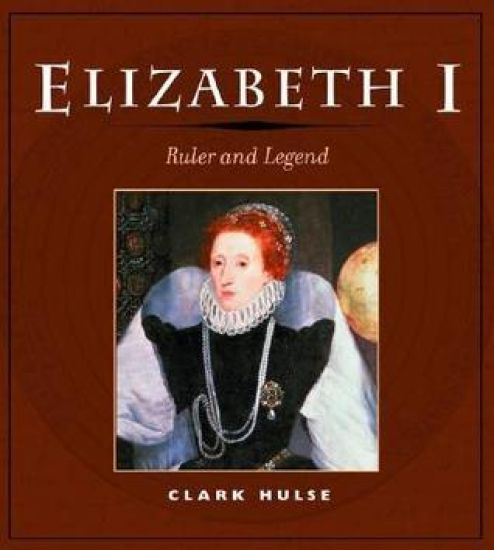
Elizabeth I

Elizabeth I

Clark Hulse

University of Illinois Press
2003
nidottu
Making history from the moment of her birth, England's Queen Elizabeth I (1533-1603) was a legend within her own lifetime. To her supporters, Elizabeth I was Gloriana, the Faerie Queene, a dignified and powerful woman who ruled with cunning and skill for forty-four years. To her detractors she was the ruthless supporter of a false religion; the murderer of her cousin Mary Queen of Scots; a wanton woman, herself illegitimate, who sullied the crown with her licentious behavior. The legends that have grown up around Elizabeth are fascinating, but as this book shows, the truth is just as remarkable. In Elizabeth I: Ruler and Legend, Clark Hulse brings Elizabeth to life, combining text and images to tell her story through the objects handed down by history. Commemorating the four hundredth anniversary of Elizabeth's death, this handsome volume contains over one hundred photographs of books, manuscripts, maps, letters, paintings, clothing, furniture, and many more artifacts dating from her reign. Each of these objects tells a story, and Hulse uses them as a starting point for a broad and thorough examination of Elizabeth and the society in which she lived. Beginning with an analysis of the political events surrounding her birth, the book describes Elizabeth's relationship with her father, Henry VIII, and the maneuvering that led to her eventual coronation upon the death of her half-sister Mary Tudor in 1558. As queen, Elizabeth oversaw a period of breathtaking cultural achievement. She kept England from being torn apart by the religious wars raging across Europe, and she withstood both an assassination plot and the massive military threat of the Spanish Armada. This book addresses all these major events, as well as a whole host of lesser-known aspects of Elizabeth's reign. Hulse includes discussions of topics such as the education of Tudor women; markers of identity; portraits of Elizabeth; the queen's speaking style; her interest in America; music at the Tudor court; and literary depictions of Elizabeth by Shakespeare, Spenser, and other poets.
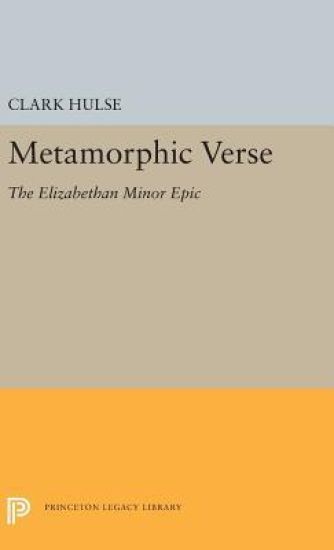
Metamorphic Verse

Metamorphic Verse

Clark Hulse

Princeton University Press
2019
pokkari
To Shakespeare, Spenser, Marlowe, and other Elizabethans, the minor epic was an important medium for poetic experimentation, but today, too often separated from the culture that bore it, it is not well understood. This author examines the form of the minor epic and its place in Elizabethan literary culture. Particularly, he explores the concept of metamorphosis as it shapes the minor epic at every level; in its subject matter, narrative technique, imagery, reworking of traditional materials, mixing of literary genres, and power to transform the poet.Combining close reading with literary theory, Professor Hulse approaches the minor epic as a mixed genre, exploring the idea of genre itself as well as the particular genres that contributed to the minor epics, including the sonnet, satire, Ovidian epic, pastoral, and primeval poetry.He also discusses wider issues, such as poetic inspiration, fictionality, and the nature of literary history; and takes up painting and historiography to show how they use the same narrative materials in different ways and to different ends. In the process he redefines Elizabethan literature as a fluid system, characterized by multiplicity of form and style and the poet's search for growth.Clark Hulse is Associate Professor of English at the University of Illinois at Chicago Circle.Originally published in 1982.The Princeton Legacy Library uses the latest print-on-demand technology to again make available previously out-of-print books from the distinguished backlist of Princeton University Press. These editions preserve the original texts of these important books while presenting them in durable paperback and hardcover editions. The goal of the Princeton Legacy Library is to vastly increase access to the rich scholarly heritage found in the thousands of books published by Princeton University Press since its founding in 1905.
Metamorphic Verse

Metamorphic Verse

Clark Hulse

PRINCETON UNIVERSITY PRESS
2019
sidottu
To Shakespeare, Spenser, Marlowe, and other Elizabethans, the minor epic was an important medium for poetic experimentation, but today, too often separated from the culture that bore it, it is not well understood. This author examines the form of the minor epic and its place in Elizabethan literary culture. Particularly, he explores the concept of metamorphosis as it shapes the minor epic at every level; in its subject matter, narrative technique, imagery, reworking of traditional materials, mixing of literary genres, and power to transform the poet.Combining close reading with literary theory, Professor Hulse approaches the minor epic as a mixed genre, exploring the idea of genre itself as well as the particular genres that contributed to the minor epics, including the sonnet, satire, Ovidian epic, pastoral, and primeval poetry.He also discusses wider issues, such as poetic inspiration, fictionality, and the nature of literary history; and takes up painting and historiography to show how they use the same narrative materials in different ways and to different ends. In the process he redefines Elizabethan literature as a fluid system, characterized by multiplicity of form and style and the poet's search for growth.Clark Hulse is Associate Professor of English at the University of Illinois at Chicago Circle.Originally published in 1982.The Princeton Legacy Library uses the latest print-on-demand technology to again make available previously out-of-print books from the distinguished backlist of Princeton University Press. These editions preserve the original texts of these important books while presenting them in durable paperback and hardcover editions. The goal of the Princeton Legacy Library is to vastly increase access to the rich scholarly heritage found in the thousands of books published by Princeton University Press since its founding in 1905.