Kirjojen hintavertailu. Mukana 12 083 983 kirjaa ja 12 kauppaa.

Kirjahaku

Etsi kirjoja tekijän nimen, kirjan nimen tai ISBN:n perusteella.

2 kirjaa tekijältä Claudio Cambon

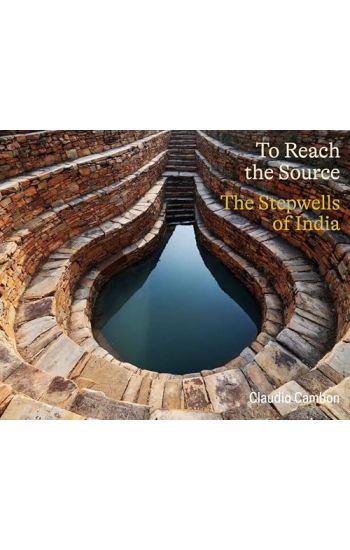
To Reach the Source

To Reach the Source

Claudio Cambon

Oro Editions
2025
sidottu
To Reach the Source: The Stepwells of India is a photography book about a unique and magnificent architectural form that remains unknown to most people outside (and even within) India. More than just a shaft dug into the earth to fetch water, these are entire buildings that descend several stories below ground; they are spaces to be entered and occupied, serving functional, social, and ritual purposes. Often, they are as monumental and ornate as a church, and this is intentional. They are a source of water, a gathering space, and a temple all at once, but instead of rising into the sky, they descend below the surface. They create a spatial experience unlike any other, in which one is below ground but remains connected to the sun and sky. Today they lie largely abandoned and overlooked, in various states of preservation or, more often, disrepair. The photographs seek to recreate the striking ambiance that they elicit. The brief text that follows the images (interspersed with a few architectural drawings) provides a necessary minimum of context, ultimately to reinforce the primarily visual nature of the reader’s experience, one in which the photographs have priority. The photographs seek to give readers some sense of the meditative process of descending into these beautiful structures, of going away from the surface on which we live, but not being cut off from it, instead directed towards the very source of life.
Shipbreak

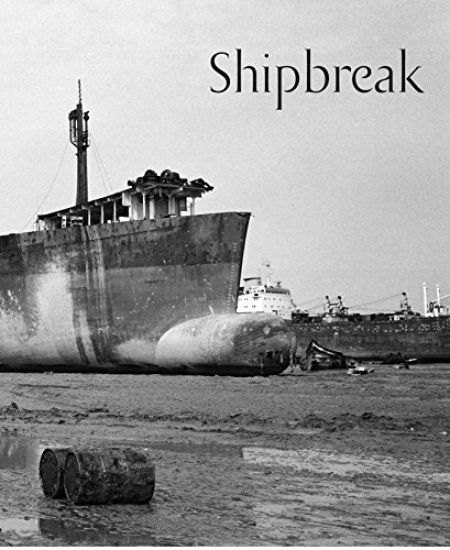
Shipbreak

Claudio Cambon

Edition Patrick Frey
2015
sidottu
Shipbreak tells the story of the last voyage, dismantling, and recycling of an American merchant vessel in Bangladesh in the late 1990s. Through both words and images, it describes how the ship becomes a touchstone for many groups of people across the world: from the American shipbuilders who built her in the early 1960s and the seamen who worked on her for almost four decades all the way to the Bangladeshi shipbreakers who took the vessel apart, more or less by hand, and the many people who incorporated the ship’s raw materials into their daily lives as part of their country’s effort to develop its infrastructure and economy. The book describes how the ship was a source of livelihood for all these individuals, whether they were engaged in the act of its creation, operation, or apparent destruction, and it draws a seemingly improbable connection between them in order to reveal a common humanity above and beyond the boundaries of space and time that appear to separate them. Shipbreak also depicts how their lives collectively give this magnificent object a metaphoric life of its own, and as such, the book becomes a meditation on the nature of life itself, on its loss and its transcendence. From photographs of the ship’s blueprints and launch to ones of objects made with the recast metal, it bears witness to the way the ship was born, lived and died, and ultimately came to live again, albeit in a myriad of new forms that bear little resemblance to its former self. (Claudio Cambon)