Kirjojen hintavertailu. Mukana 11 905 894 kirjaa ja 12 kauppaa.

Kirjahaku

Etsi kirjoja tekijän nimen, kirjan nimen tai ISBN:n perusteella.

9 kirjaa tekijältä Clive Edwards

Turning Houses into Homes

Turning Houses into Homes

Clive Edwards

Ashgate Publishing Limited
2005
sidottu
From the earliest times, people have striven to turn their houses into homes through the use of decoration and furnishings, stimulating in turn a major commercial sector dedicated to offering the products and services essential to feed the ever-changing dictates of domestic fashion. Whilst there is plentiful evidence to show that these phenomena can be traced to medieval times, it is arguable that the eighteenth century witnessed the birth of a widespread and sophisticated consumer society. With a comparatively wealthy and socially mobile society, eighteenth-century Britain proved to be a fertile ground for ideas of home improvement and beautification, which were to persist to the present day. Turning Houses into Homes not only maps the history, changes, development and structure of the retail furnishing industry in Britain over three centuries, but also examines the relationships between the retailer and the consumer, looking at how retailers helped stimulate and shape the demand of their customers. Whilst work has been done on specific aspects of the home, very little has been written on the interaction between the retailer and consumer, and the pressures brought to bear on them by issues such as gender, education, status, symbolism, taste, decoration, hygiene, comfort and entertainment. As such, this book offers a valuable conjunction of retail history and consumption practices, which are examined through a multi-disciplinary approach to explore both their intimate connections and their wider roles in society.

Turning Houses into Homes

Turning Houses into Homes

Clive Edwards

Routledge
2017
nidottu
From the earliest times, people have striven to turn their houses into homes through the use of decoration and furnishings, stimulating in turn a major commercial sector dedicated to offering the products and services essential to feed the ever-changing dictates of domestic fashion. Whilst there is plentiful evidence to show that these phenomena can be traced to medieval times, it is arguable that the eighteenth century witnessed the birth of a widespread and sophisticated consumer society. With a comparatively wealthy and socially mobile society, eighteenth-century Britain proved to be a fertile ground for ideas of home improvement and beautification, which were to persist to the present day. Turning Houses into Homes not only maps the history, changes, development and structure of the retail furnishing industry in Britain over three centuries, but also examines the relationships between the retailer and the consumer, looking at how retailers helped stimulate and shape the demand of their customers. Whilst work has been done on specific aspects of the home, very little has been written on the interaction between the retailer and consumer, and the pressures brought to bear on them by issues such as gender, education, status, symbolism, taste, decoration, hygiene, comfort and entertainment. As such, this book offers a valuable conjunction of retail history and consumption practices, which are examined through a multi-disciplinary approach to explore both their intimate connections and their wider roles in society.
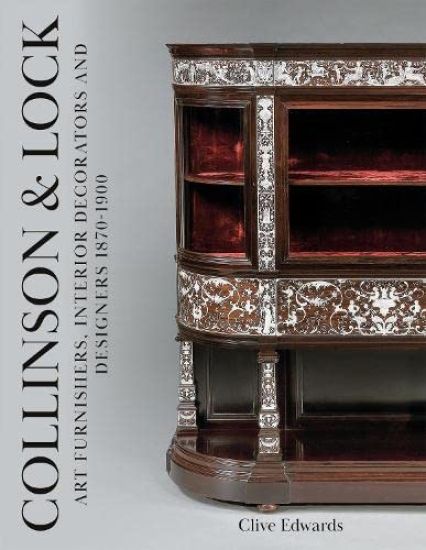
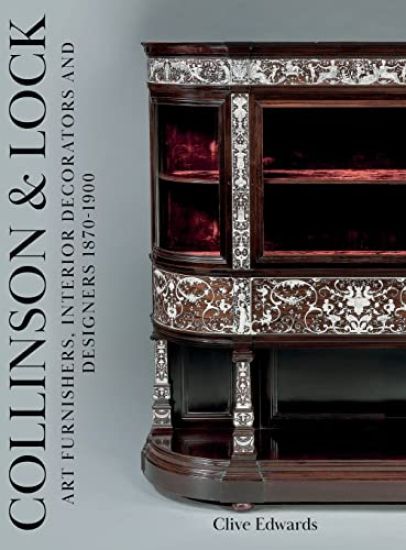
Collinson & Lock

Collinson & Lock

Clive Edwards

TROUBADOR PUBLISHING
2022
sidottu
Victorian furnishers and decorators Collinson & Lock were a model of the art furniture business of the last quarter of the nineteenth century. This book is the first wide-ranging study of this once highly important company. It will give insights into the workings and productions of a London furnishing business in the period. It also provides information on a wide variety of topics including furniture design developments, interior design styles, business practices, working practices and techniques, and the firm’s customers and competitors. Clive Edwards first considers the structure of the London ‘art furniture’ trade and its development to locate the firm in its community. He then traces the growth of the firm’s business, its involvement with important international exhibitions, the designers they worked with, and the furniture and interiors they produced. This important book then outlines and discusses Collinson & Lock’s creations ranging from seminal pieces that were designed for an exclusive clientele, to those displayed at national and international exhibitions between 1871 and 1900, through to batch produced objects that still maintained the quality and design that the firm was famous for. The involvement of the firm with both public and private interior decoration commissions is also examined through case studies, including those in the Anglo-Japanese, Queen Anne, Old English, and Renaissance styles used in the later Victorian period. Drawing on the author's extensive knowledge of nineteenth-century furniture and interiors, this book meets a need for a fully researched and illustrated reference work on this famous firm. If you have an interest in the history of furniture and interior design, if you are involved with furniture collections either on a private basis or professionally, or you simply have an interest in the decorative arts and culture of the period, this book should be on your shelves.
Collinson & Lock: Art Furnishers, Interior Decorators and Designers 1870-1900
Victorian furnishers and decorators Collinson & Lock were a model of the art furniture business of the last quarter of the nineteenth century. This book is the first wide-ranging study of this once highly important company. It will give insights into the workings and productions of a London furnishing business in the period. It also provides information on a wide variety of topics including furniture design developments, interior design styles, business practices, working practices and techniques, and the firm's customers and competitors.Clive Edwards first considers the structure of the London 'art furniture' trade and its development to locate the firm in its community. He then traces the growth of the firm's business, its involvement with important international exhibitions, the designers they worked with, and the furniture and interiors they produced.This important book then outlines and discusses Collinson & Lock's creations ranging from seminal pieces that were designed for an exclusive clientele, to those displayed at national and international exhibitions between 1871 and 1900, through to batch produced objects that still maintained the quality and design that the firm was famous for. The involvement of the firm with both public and private interior decoration commissions is also examined through case studies, including those in the Anglo-Japanese, Queen Anne, Old English, and Renaissance styles used in the later Victorian period.Drawing on the author's extensive knowledge of nineteenth-century furniture and interiors, this book meets a need for a fully researched and illustrated reference work on this famous firm. If you have an interest in the history of furniture and interior design, if you are involved with furniture collections either on a private basis or professionally, or you simply have an interest in the decorative arts and culture of the period, this book should be on your shelves.
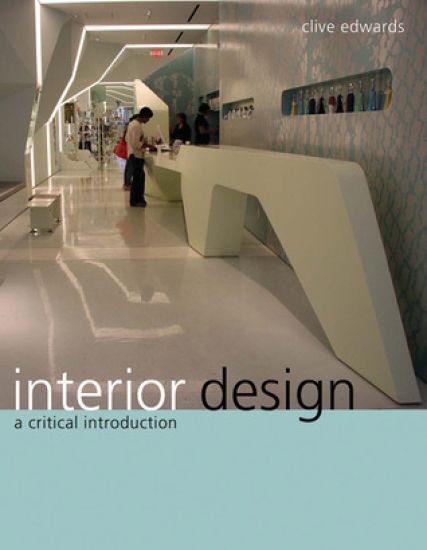
Interior Design

Interior Design

Clive Edwards

Berg Publishers
2010
nidottu
The practice of interior design has become ever more specialised as new technologies have expanded how designers can use light, space, colour and decoration. At the same time, the study of the interior - private, public and corporate - has become a complex field. Interior design is now a rich and sophisticated discipline which draws on many others: psychology, cultural theory, philosophy, gender studies, anthropology, and history, as well as design history, architecture, art and craft, furniture, and fashion. Interior Design presents a critical introduction to contemporary theory and practice. The book highlights the key concepts behind the study of interiors in order to present an inter-disciplinary overview of the subject. Always aware that design is a practical discipline, the book is illustrated throughout with examples and detailed case studies of interior design practice.
Interior Design

Interior Design

Clive Edwards

Berg Publishers
2010
sidottu
The practice of interior design has become ever more specialised as new technologies have expanded how designers can use light, space, colour and decoration. At the same time, the study of the interior - private, public and corporate - has become a complex field. Interior design is now a rich and sophisticated discipline which draws on many others: psychology, cultural theory, philosophy, gender studies, anthropology, and history, as well as design history, architecture, art and craft, furniture, and fashion. Interior Design presents a critical introduction to contemporary theory and practice. The book highlights the key concepts behind the study of interiors in order to present an inter-disciplinary overview of the subject. Always aware that design is a practical discipline, the book is illustrated throughout with examples and detailed case studies of interior design practice.
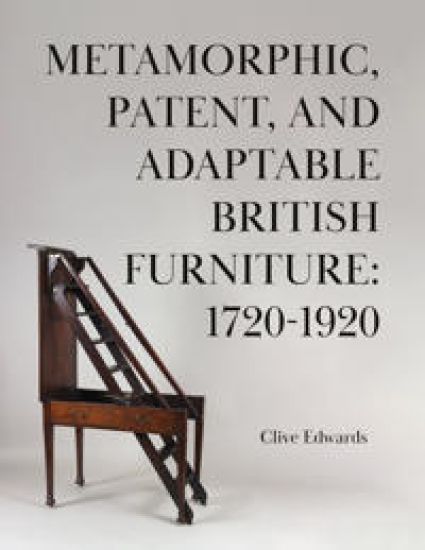
Metamorphic, Patent, and Adaptable British Furniture: 1720-1920
A fully illustrated book on the types, production, and use of adjustable, dual-purpose, patent and metamorphic furniture made and used in Britain c.1720 to c. 1920. Whilst moveable and adjustable metamorphic furniture was intended to enable portability, enhance comfort, provide relief, and offer space-saving options, it was also seen as being exemplary of progress. The themes of adjustability, flexibility, dual-purpose, transformation and convertibility will explore the enormous range of furniture made with these ideas in mind. The book is divided into chapters based on human activities. These include Seating, Eating, Working, Library use, Amusement, Health, and Sleeping and Personal care. Therefore, whether it is a table converting to chair, a desk that has rising compartments, a reclining easy chair with reading attachment, or a bed that folds into a cupboard, the history of these items and many others, is a fascinating exploration of the changing needs, attitudes and fashions related to this furniture type. Drawing on the author's extensive knowledge of furniture history, Metamorphic, Patent, and Adaptable British Furniture: 1720-1920 meets a need for a fully researched and illustrated reference work on this topic. If you have an interest in the history of furniture and interior design, if you are involved with furniture professionally, or if you simply have an interest in the decorative arts and culture of the period, this book should be on your shelves.
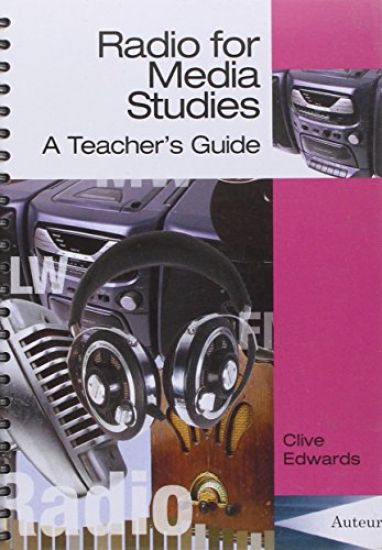
Radio for Media Studies

Radio for Media Studies

Clive Edwards

Auteur Publishing
2003
nidottu
Written mainly for the Media teacher new to radio, Clive Edwards has produced an eloquent argument for the use of this neglected medium in the classroom. Beginning with an overview of the history and development of Public Service radio, the Teachers Guide goes on to look at the rise of the commercial and local radio sector since the 1970s and the state of the medium in Britain today with reference to all of the key concepts of Media Studies. In an extended section on local and community radio, the author provides case studies of stations together with a discussion of the role of hospital, student and pirate radio. This Teacher's Guide is best used in conjunction with Radio for Media Studies: Classroom Resources.