Kirjojen hintavertailu. Mukana 12 016 292 kirjaa ja 12 kauppaa.

Kirjahaku

Etsi kirjoja tekijän nimen, kirjan nimen tai ISBN:n perusteella.

14 kirjaa tekijältä Colin J. Howat

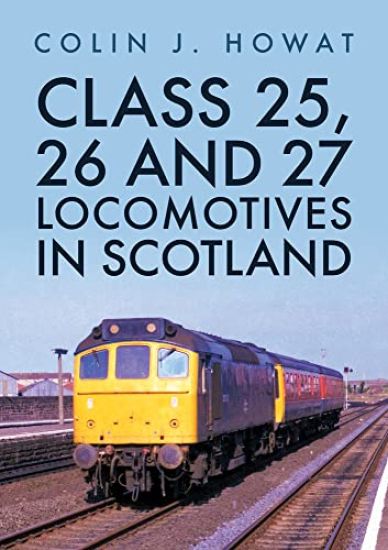
Class 25, 26 and 27 Locomotives in Scotland

Class 25, 26 and 27 Locomotives in Scotland

Colin J. Howat

AMBERLEY PUBLISHING
2023
nidottu
These locomotives were introduced to British Rail in 1956 and were initially allocated to Eastfield Depot in Glasgow and Haymarket Depot in Edinburgh. They became known as Type 2s and were used for both passenger and freight services. In later years the Class 26 fleet became dedicated to various coal workings in the Ayrshire area. A number of Class 27 locos were later converted for push-pull operation on the busy Glasgow Queen Street–Edinburgh service from 1971 and lasted until 1980. This book covers all three classes from the BR era through to privatisation and beyond. All classes carried out sterling work all over Scotland and some are now preserved at various heritage lines throughout Scotland.
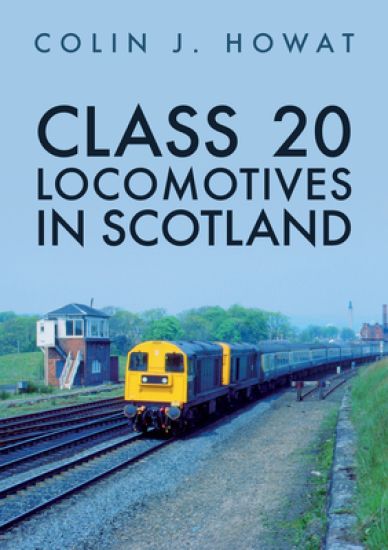
Class 20 Locomotives in Scotland

Class 20 Locomotives in Scotland

Colin J. Howat

Amberley Publishing
2021
nidottu
English Electric Class 20 locomotives once operated over virtually the entire rail network of Scotland. They were introduced to the Highlands in the late 1950s and are probably best remembered for working local freight traffic or working in pairs pulling coal trains in the Central belt. This book covers Class 20s from the BR era up to recent freight operations, and many locations across the country are featured. With a wealth of previously unpublished images, this book will delight Scottish rail enthusiasts both young and old.
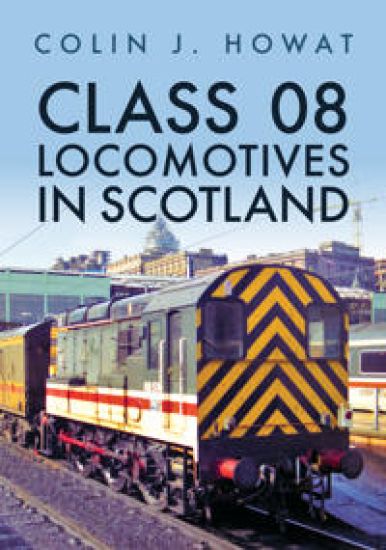
Class 08 Locomotives in Scotland

Class 08 Locomotives in Scotland

Colin J. Howat

AMBERLEY PUBLISHING
2023
nidottu
Since their introduction in the 1950s, the Class 08, the most common type of British Rail shunter, has been found in almost every area of the UK. These machines carried out the shuntings and movements around stations and yards, with most depots carrying an allocation. A number have survived into preservation, but at one time more than 200 could be found in Scotland. This book covers 08s from the BR era through privatisation and beyond, and features a range of different locations around Scotland. With a wealth of previously unpublished images, this book will delight Scottish rail enthusiasts both young and old.
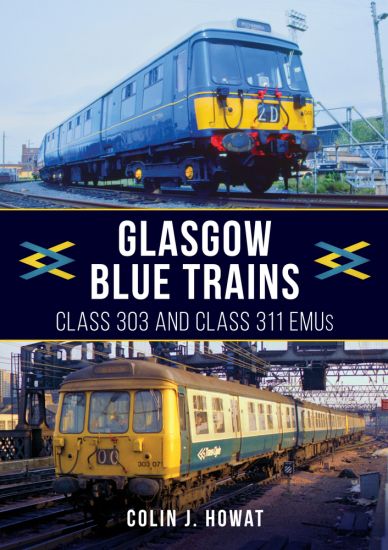
Glasgow Blue Trains

Glasgow Blue Trains

Colin J. Howat

AMBERLEY PUBLISHING
2023
nidottu
These units were used by British Rail from the start of electrification in Glasgow in 1960. Initially the units worked between Helensburgh Central and Airdrie and various branch lines on the North Clyde area. They were later introduced to the South Clyde area in 1962, working from Glasgow Central to various destinations. This book covers both classes from the BR era through to privatisation and beyond. With the advent of more modern multiple units such as the Class 314 from 1979, a reduction in the use of the Class 303 and Class 311 took place. One Class 303 has survived into preservation at Bo’ness, and part of a Class 311 unit is based at the Summerlee Heritage Centre at Coatbridge near Glasgow.
Class 37 Locomotives in Scotland

Class 37 Locomotives in Scotland

Colin J. Howat

AMBERLEY PUBLISHING
2024
nidottu
Class 37 Locomotives were introduced to British Rail from 1960 onwards and eventually numbered 309. In Scotland, they were initially allocated to Eastfield and Polmadie depots in Glasgow and Haymarket Depot in Edinburgh. They became known as Type 3s and were used for both passenger and freight services. In later years, during the privatisation era, the Class 37 fleet became dedicated to various coal workings in the Ayrshire and Lothian areas. A number of the class were also upgraded at Crewe Works in the mid-1980s with electric train heating (ETH) for the West Highland and North Highland routes. This book covers the class from the mid-1970s in the BR era, through sectorisation and on to privatisation and beyond. The locos performed reliably and worked all over Scotland. Some are now preserved at various heritage lines throughout the United Kingdom.
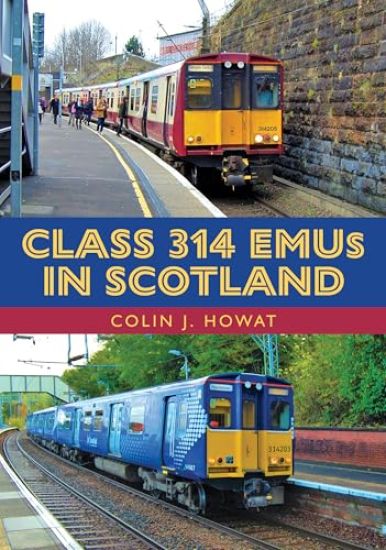
Class 314 EMUs in Scotland

Class 314 EMUs in Scotland

Colin J. Howat

AMBERLEY PUBLISHING
2024
nidottu
Class 314 EMUs were used by British Rail with the reopening of the Argyle Line, which ran under Glasgow Central high-level station. These services commenced from November 1979. The 314s initially worked the Argyle Line between Motherwell and Dalmuir. They were also gradually deployed from 1980 on the rest of the North Glasgow electric system and were initially allocated to Hyndland Depot. They offered faster acceleration over the old ‘Blue Trains’ and were popular with both the public and traincrews. From 2001, they were redeployed to the Glasgow South electric system and worked services between Glasgow Central and Gourock, Wemyss Bay, Neilston, Newton and the Cathcart Circles. In later years, they also made occasional appearances to Ayr, Ardrossan and Largs. They finally finished in service in December 2019. One set has survived into preservation and is based at the Scottish Railway Preservation Society at Bo’ness. This selection of rare and previously unpublished images celebrates the history of these long-serving Electric Multiple Units.
Class 126 DMUs in Scotland

Class 126 DMUs in Scotland

Colin J. Howat

AMBERLEY PUBLISHING
2025
nidottu
Class 126 diesel multiple units were introduced to Scotland from 1956. Initially, they were diagrammed to work between Edinburgh Waverley and Glasgow Queen Street. In 1959, a second batch was introduced with slight design changes, and these were used on the Glasgow St Enoch to Ayr and Stranraer Harbour workings. The Edinburgh units were always based at Leith Central and the later builds were based at Ayr Depot. They became known as Inter City units as they initially connected up Edinburgh and Glasgow with faster end-to-end journey times compared with their steam forerunners. The Ayr-based units were later moved to work from Glasgow Central. Both fleets have worked charters on to the West Highland Lines and other routes. This book illustrates the class from their introduction in the mid-1950s until their withdrawal from British Rail in 1983. Four coaches have been preserved at the Bo’ness and Kinneil Heritage Railway.
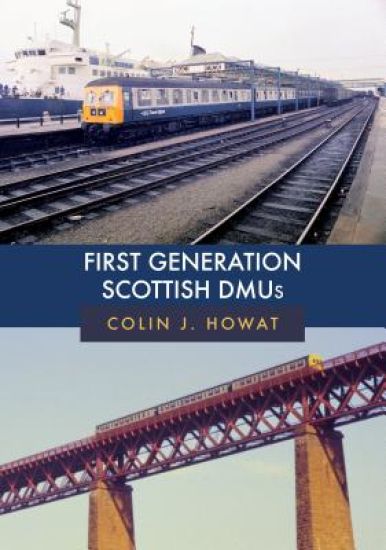
First Generation Scottish DMUs

First Generation Scottish DMUs

Colin J. Howat

Amberley Publishing
2019
nidottu
From the mid-1950s diesel multiple units began to appear in Scotland, firstly on the main line between Edinburgh and Glasgow Queen Street and later on many secondary lines. More DMU units began to appear from the early 1960s with the gradual withdrawal of steam locomotives. Possibly the ultimate in the DMU development was the InterCity DMU, later numbered as Class 126. With the expanding motorway network, many branch lines could not be saved and the Beeching axe fell on many of them. The first generation of Scottish DMU fleets never established the huge following and interest that the diesel and electric locos did. Here, Colin J. Howat covers virtually the whole of Scotland and encompasses locations from Arbroath in the north to just south of the border in Carlisle. This book covers diesel multiple units from Metro-Cammell Class 101s up to and including Swindon InterCity Class 126s.
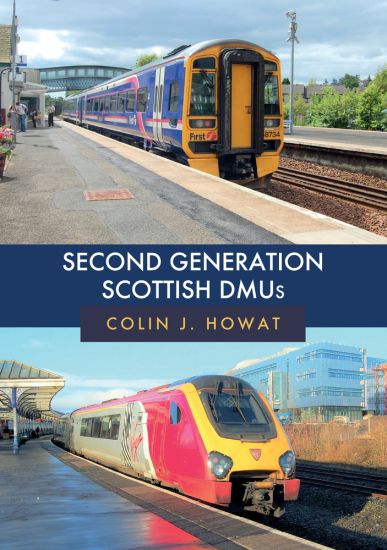
Second Generation Scottish DMUs

Second Generation Scottish DMUs

Colin J. Howat

Amberley Publishing
2020
nidottu
Second Generation DMUs in Scotland covers the modern diesel multiple units introduced by BR from 1981. It features locations from across Scotland, and also looks at Carlisle. This book covers units from the experimental Class 140s, introduced in 1981, to contemporary examples including Class 185s still in use with TransPennine Express. Possibly the best unit introduced to Scotland are the Class 156 units based at Corkerhill depot in Glasgow. These units can be found working from Newcastle to Mallaig. The new generation of DMU fleets can go faster and travel further and have generated a huge following. Here, Colin J. Howat combines previously unseen historical black-and-white photography with modern digital examples to tell their story.
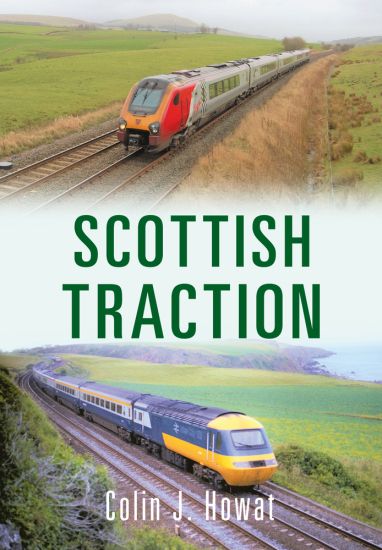
Scottish Traction

Scottish Traction

Colin J. Howat

Amberley Publishing
2017
nidottu
Following on from Ayrshire Traction and Strathclyde Traction and covering virtually the whole of Scotland and encompassing locations from Wick in the north to the southern border, Colin Howat looks at the Scottish rail scene from 1974 until the present day, covering diesel locos from humble Class 08s to the latest Class 70s, examining DMU classes 101–221 and EMU classes 303–390, as well as electric locos from classes 81–92. Although the AC electric loco fleets are not among the most popular to have operated over Scottish routes, like some of their contemporary diesel classes, they have played a major role in the modernisation of the rail system in Scotland. The 100-strong first generation of AC electric locomotives were originally classified as AL1–AL5, before later being reclassified as 81–85, forming the backbone of the modernised electric routes until AL6 (Class 86) locomotives emerged in the mid-1960s. With a wealth of rare and unpublished images captured over several decades, this is a fascinating look at the railways of Scotland and a perfect read for any rail enthusiast.
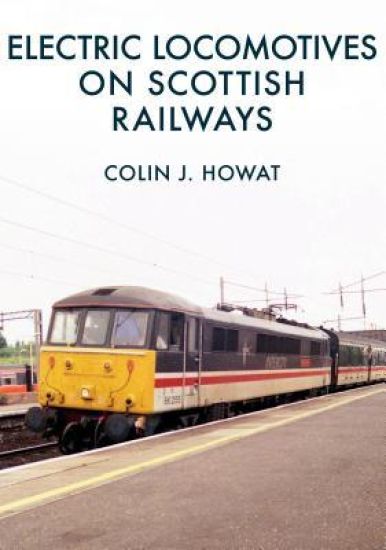
Electric Locomotives on Scottish Railways

Electric Locomotives on Scottish Railways

Colin J. Howat

Amberley Publishing
2018
nidottu
Electric Locomotives on Scottish Railways covers virtually the whole of the electrified network across Scotland. The first electrification took place on the north side of Glasgow from 1960 when the Airdrie to Helensburgh line and branches in between were done. This was followed closely by the south side of Glasgow when electrification spread to the Cathcart Circle, Neilston and Newton areas. In 1967, the lines between Glasgow Central and Gourock along with the Wemyss Bay branch were added to the system. Progress throughout Central Scotland has been steady since, with approximately 40 per cent of the whole network now electrified. One of the most popular electric locos on the network was the Class 86. These locos could be found working anything from small shunt moves in yards to express services until the mid-2000s when Virgin introduced Class 390 EMUs. This book covers electric locos from humble Class 81s up to and including Class 92s, with images from 1974 until the present day.