Kirjojen hintavertailu. Mukana 11 627 220 kirjaa ja 12 kauppaa.

Kirjahaku

Etsi kirjoja tekijän nimen, kirjan nimen tai ISBN:n perusteella.

2 kirjaa tekijältä Conrad D. Johnson

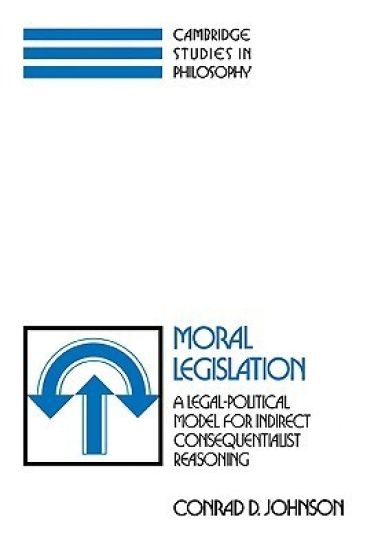
Moral Legislation

Moral Legislation

Conrad D. Johnson

Cambridge University Press
2009
pokkari
This is a book about moral reasoning: how we actually reason and how we ought to reason. It defends a form of 'rule' utilitarianism whereby we must sometimes judge and act in moral questions in accordance with generally accepted rules, so long as the existence of those rules is justified by the good they bring about. The author opposes the currently more fashionable view that it is always right for the individual to do that which produces the most good. Among the salient topics covered are: an account of the utilitarian function in society of generally accepted moral rules; a discussion of how we interpret existing moral rules and create new ones; and a defence of 'rule' utilitarianism against the charge that it either commits one to irrational rule worship, or collapses into a form of 'act' utilitarianism. This is a book about moral reasoning: how we actually reason and how we ought to reason. It defends a form of 'rule' utilitarianism whereby we must sometimes judge and act in moral questions in accordance with generally accepted rules, so long as the existence of those rules is justified by the good they bring about.
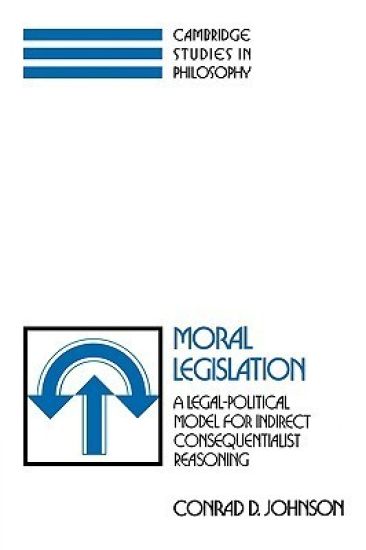
Moral Legislation

Moral Legislation

Conrad D. Johnson

Cambridge University Press
1991
sidottu
This is a book about moral reasoning: how we actually reason and how we ought to reason. It defends a form of 'rule' utilitarianism whereby we must sometimes judge and act in moral questions in accordance with generally accepted rules, so long as the existence of those rules is justified by the good they bring about. The author opposes the currently more fashionable view that it is always right for the individual to do that which produces the most good. Among the salient topics covered are: an account of the utilitarian function in society of generally accepted moral rules; a discussion of how we interpret existing moral rules and create new ones; and a defence of 'rule' utilitarianism against the charge that it either commits one to irrational rule worship, or collapses into a form of 'act' utilitarianism. This is a book about moral reasoning: how we actually reason and how we ought to reason. It defends a form of 'rule' utilitarianism whereby we must sometimes judge and act in moral questions in accordance with generally accepted rules, so long as the existence of those rules is justified by the good they bring about.