Kirjojen hintavertailu. Mukana 11 342 296 kirjaa ja 12 kauppaa.

Kirjahaku

Etsi kirjoja tekijän nimen, kirjan nimen tai ISBN:n perusteella.

8 kirjaa tekijältä Conrad Hughes

Education and Elitism

Education and Elitism

Conrad Hughes

Routledge
2021
sidottu
Education and Elitism discusses polemical debates around privilege, private schools, elitist universities, equal access to education and underlying notions of fairness. The overarching question that runs through the book is about the future of education worldwide: how can schools and universities tread the tightrope between access and quality?This book investigates the philosophical positions that characterize elitism and anti-elitism to establish three types: meritocratic, plutocratic and cultural. These types of elitism (and their counter-positions) are used as reference points throughout the book's analysis of successive educational themes. The conclusion leads to suggestions that bridge the worlds of elitism and egalitarianism worldwide. The book covers critical questions related to the sociology and philosophy of education with particular focus on contemporary disruptors to education such as the COVID-19 pandemic and protest movements for social justice. With an attempt to offer readers an objective overview, this book will be an excellent compendium for students, academics, and researchers of the sociology of education, education policy and comparative education. It will also be of interest toschool leaders, university provosts and professionals working in curriculum design.
Education and Elitism

Education and Elitism

Conrad Hughes

Routledge
2021
nidottu
Education and Elitism discusses polemical debates around privilege, private schools, elitist universities, equal access to education and underlying notions of fairness. The overarching question that runs through the book is about the future of education worldwide: how can schools and universities tread the tightrope between access and quality?This book investigates the philosophical positions that characterize elitism and anti-elitism to establish three types: meritocratic, plutocratic and cultural. These types of elitism (and their counter-positions) are used as reference points throughout the book's analysis of successive educational themes. The conclusion leads to suggestions that bridge the worlds of elitism and egalitarianism worldwide. The book covers critical questions related to the sociology and philosophy of education with particular focus on contemporary disruptors to education such as the COVID-19 pandemic and protest movements for social justice. With an attempt to offer readers an objective overview, this book will be an excellent compendium for students, academics, and researchers of the sociology of education, education policy and comparative education. It will also be of interest toschool leaders, university provosts and professionals working in curriculum design.
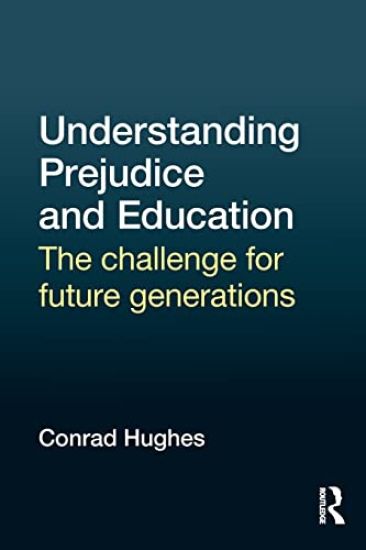
Understanding Prejudice and Education
What is prejudice in the 21st Century and how can education help to reduce it?This original text discusses prejudice in detail, offering a clear analysis of research and theory on prejudice and prejudice reduction, drawn from findings in social psychology, critical thinking and education. Presenting the underlying principle that prejudice can be reduced through the development of four core attributes – empathy, understanding, cognitive flexibility and metacognitive thought – the book offers effective educational strategies for preparing young people for life.Chapters explore a range of examples of classroom practice and provide a thorough engagement with the minefield of prejudice, set against challenging sociological, ideological, political and cultural questions. An integrative framework is included that can be adapted and adopted in schools, synthesising findings and emphasising the need for individuals and groups to work against preconceived beliefs and emotional reactions to situations, offering contra-intuitive, rational and affective responses. Understanding Prejudice and Education is essential reading for all those engaged in relevant undergraduate, Master’s level and postgraduate courses in education, social psychology and cultural studies, as well as teachers and school leaders interested in developing strategies to reduce prejudice in their schools.
Understanding Prejudice and Education
What is prejudice in the 21st Century and how can education help to reduce it?This original text discusses prejudice in detail, offering a clear analysis of research and theory on prejudice and prejudice reduction, drawn from findings in social psychology, critical thinking and education. Presenting the underlying principle that prejudice can be reduced through the development of four core attributes – empathy, understanding, cognitive flexibility and metacognitive thought – the book offers effective educational strategies for preparing young people for life.Chapters explore a range of examples of classroom practice and provide a thorough engagement with the minefield of prejudice, set against challenging sociological, ideological, political and cultural questions. An integrative framework is included that can be adapted and adopted in schools, synthesising findings and emphasising the need for individuals and groups to work against preconceived beliefs and emotional reactions to situations, offering contra-intuitive, rational and affective responses. Understanding Prejudice and Education is essential reading for all those engaged in relevant undergraduate, Master’s level and postgraduate courses in education, social psychology and cultural studies, as well as teachers and school leaders interested in developing strategies to reduce prejudice in their schools.
Educating for the Twenty-First Century: Seven Global Challenges
Educating for the Twenty-First Century is an engaging account of some of the most critical challenges for humanity, seen through the unique perspective of a school principal. A virtuoso performance of great imaginative force, the book takes the reader through philosophical reflections, humorous anecdotes, syntheses of cutting-edge research and examples of best practice, to answer fundamental questions about education and learning in the 21st century. Provocative, touching, accessible, but always profound, the book is a must-read for policy-makers, school and university leaders, parents and anyone passionate about education and the future of the planet. "A significant book, which makes it required reading for educators, public policy experts, indeed every thoughtful citizen of our time." - AC Grayling, Philosopher and Master of the New College of the Humanities "An essential book for all those who are interested in the future of their children, in other words, the very future of humanity." - Luc Ferry, Philosopher and former Minister of Education, France
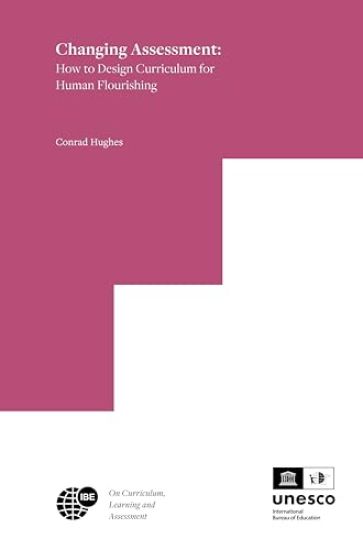
Changing Assessment

Changing Assessment

Conrad Hughes

BRILL
2025
nidottu
Since the Delors report, education reformers have been working to create curricula that allow human beings to flourish. Schools should not only be places where we learn to be and learn to live together, but also places where the way we assess students valorises the diverse range of human gifts within them. Yet, most schools remain locked in a 19th-century assessment structure that prevents young people from exploring the full variety and extent of their talents, forcing them to perform on a narrow, high-stakes track. When will this change? In this remarkable book, Conrad Hughes gives an overview of the assessment problem affecting schools and creates a path to take to broaden assessment and potentially reposition the whole purpose of schooling. It is a brave, beautifully written treatise that anyone interested in education and assessment should read. — Georges Haddad, Honorary President of Panthéon-Sorbonne University, Former Director at UNESCO (Education Sector)
Educating for the Twenty-First Century: Seven Global Challenges
Educating for the Twenty-First Century is an engaging account of some of the most critical challenges for humanity, seen through the unique perspective of a school principal. A virtuoso performance of great imaginative force, the book takes the reader through philosophical reflections, humorous anecdotes, syntheses of cutting-edge research and examples of best practice, to answer fundamental questions about education and learning in the 21st century. Provocative, touching, accessible, but always profound, the book is a must-read for policy-makers, school and university leaders, parents and anyone passionate about education and the future of the planet. "A significant book, which makes it required reading for educators, public policy experts, indeed every thoughtful citizen of our time." - AC Grayling, Philosopher and Master of the New College of the Humanities "An essential book for all those who are interested in the future of their children, in other words, the very future of humanity." - Luc Ferry, Philosopher and former Minister of Education, France
Changing Assessment

Changing Assessment

Conrad Hughes

BRILL
2025
sidottu
Since the Delors report, education reformers have been working to create curricula that allow human beings to flourish. Schools should not only be places where we learn to be and learn to live together, but also places where the way we assess students valorises the diverse range of human gifts within them. Yet, most schools remain locked in a 19th-century assessment structure that prevents young people from exploring the full variety and extent of their talents, forcing them to perform on a narrow, high-stakes track. When will this change? In this remarkable book, Conrad Hughes gives an overview of the assessment problem affecting schools and creates a path to take to broaden assessment and potentially reposition the whole purpose of schooling. It is a brave, beautifully written treatise that anyone interested in education and assessment should read. — Georges Haddad, Honorary President of Panthéon-Sorbonne University, Former Director at UNESCO (Education Sector)