Kirjojen hintavertailu. Mukana 11 786 171 kirjaa ja 12 kauppaa.

Kirjahaku

Etsi kirjoja tekijän nimen, kirjan nimen tai ISBN:n perusteella.

5 kirjaa tekijältä Corey Ross

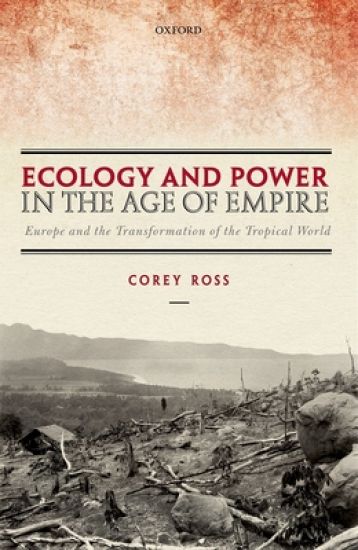
Ecology and Power in the Age of Empire

Ecology and Power in the Age of Empire

Corey Ross

Oxford University Press
2019
nidottu
Ecology and Power in the Age of Empire provides the first wide-ranging environmental history of the heyday of European imperialism, from the late nineteenth century to the end of the colonial era. It focuses on the ecological dimensions of the explosive growth of tropical commodity production, global trade, and modern resource management strategies that still visibly shape our world today, and how they were related to broader social, cultural, and political developments in Europe's colonies. Covering the overseas empires of all the major European powers, Corey Ross argues that tropical environments were not merely a stage on which conquest and subjugation took place, but were an essential part of the colonial project, profoundly shaping the imperial enterprise even as they were shaped by it. The story he tells is not only about the complexities of human experience, but also about people's relationship with the ecosystems in which they were themselves embedded: the soil, water, plants, and animals that were likewise a part of Europe's empire. Although it shows that imperial conquest rarely represented the signal ecological trauma that some accounts suggest, it nonetheless demonstrates that modern imperialism marked a decisive and largely negative milestone for the natural environment. By relating the expansion of modern empire, global trade, and mass consumption to the momentous ecological shifts that they entailed, this book provides a historical perspective on the vital nexus of social, political, and environmental issues that we face in the twenty-first-century world.
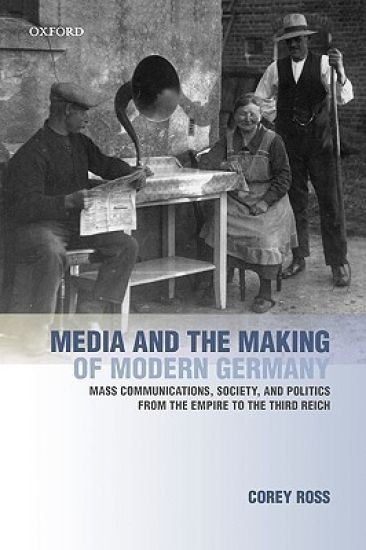
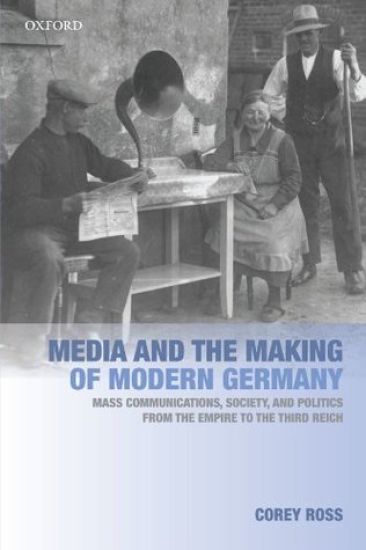
Media and the Making of Modern Germany

Media and the Making of Modern Germany

Corey Ross

Oxford University Press
2008
sidottu
Few developments in the industrial era have had a greater impact on everyday social life than the explosion of the mass media and commercial entertainments, and none have exerted a more profound influence on the nature of modern politics. Nowhere in Europe were the tensions and controversies surrounding the rise of mass culture more politically charged than in Germany-debates that played fatefully into the hands of the radical right. Corey Ross provides the first general account of the expansion of the mass media in Germany up to the Second World War, examining how the rise of film, radio, recorded music, popular press, and advertising fitted into the wider development of social, political, and cultural life. Spanning the period from the late nineteenth century to the Third Reich, Media and the Making of Modern Germany shows how the social impact and meaning of 'mass culture' were by no means straightforward or homogenizing, but rather changed under different political and economic circumstances. By locating the rapid expansion of communications media and commercial entertainments firmly within their broader social and political context, Ross sheds new light on the relationship between mass media, social change, and political culture during this tumultuous period in German history.
Media and the Making of Modern Germany

Media and the Making of Modern Germany

Corey Ross

Oxford University Press
2010
nidottu
Few developments in the industrial era have had a greater impact on everyday social life than the explosion of the mass media and commercial entertainments, and none have exerted a more profound influence on the nature of modern politics. Nowhere in Europe were the tensions and controversies surrounding the rise of mass culture more politically charged than in Germany-debates that played fatefully into the hands of the radical right. Corey Ross provides the first general account of the expansion of the mass media in Germany up to the Second World War, examining how the rise of film, radio, recorded music, popular press, and advertising fitted into the wider development of social, political, and cultural life. Spanning the period from the late nineteenth century to the Third Reich, Media and the Making of Modern Germany shows how the social impact and meaning of 'mass culture' were by no means straightforward or homogenizing, but rather changed under different political and economic circumstances. By locating the rapid expansion of communications media and commercial entertainments firmly within their broader social and political context, Ross sheds new light on the relationship between mass media, social change, and political culture during this tumultuous period in German history.
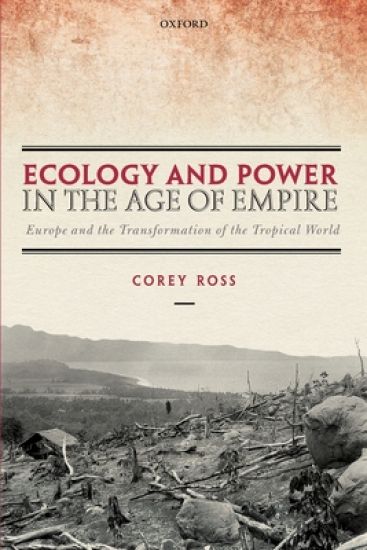
Ecology and Power in the Age of Empire

Ecology and Power in the Age of Empire

Corey Ross

Oxford University Press
2017
sidottu
Ecology and Power in the Age of Empire provides the first wide-ranging environmental history of the heyday of European imperialism, from the late nineteenth century to the end of the colonial era. It focuses on the ecological dimensions of the explosive growth of tropical commodity production, global trade, and modern resource management-transformations that still visibly shape our world today-and how they were related to broader social, cultural, and political developments in Europe's colonies. Covering the overseas empires of all the major European powers, Corey Ross argues that tropical environments were not merely a stage on which conquest and subjugation took place, but were an essential part of the colonial project, profoundly shaping the imperial enterprise even as they were shaped by it. The story he tells is not only about the complexities of human experience, but also about people's relationship with the ecosystems in which they were themselves embedded: the soil, water, plants, and animals that were likewise a part of Europe's empire. Although it shows that imperial conquest rarely represented a sudden bout of ecological devastation, it nonetheless demonstrates that modern imperialism marked a decisive and largely negative milestone for the natural environment. By relating the expansion of modern empire, global trade, and mass consumption to the momentous ecological shifts that they entailed, this book provides a historical perspective on the vital nexus of social, political, and environmental issues that we face in the twenty-first-century world.
Liquid Empire

Liquid Empire

Corey Ross

PRINCETON UNIVERSITY PRESS
2024
sidottu
A bold new account of European imperialism told through the history of waterIn the nineteenth and twentieth centuries, a handful of powerful European states controlled more than a third of the land surface of the planet. These sprawling empires encompassed not only rainforests, deserts, and savannahs but also some of the world’s most magnificent rivers, lakes, marshes, and seas. Liquid Empire tells the story of how the waters of the colonial world shaped the history of imperialism, and how this imperial past still haunts us today.Spanning the major European empires of the period, Corey Ross describes how new ideas, technologies, and institutions transformed human engagements with water and how the natural world was reshaped in the process. Water was a realm of imperial power whose control and distribution were closely bound up with colonial hierarchies and inequalities—but this vital natural resource could never be fully tamed. Ross vividly portrays the efforts of officials, engineers, fisherfolk, and farmers to exploit water, and highlights its crucial role in the making and unmaking of the colonial order.Revealing how the legacies of empire have persisted long after colonialism ebbed away, Liquid Empire provides needed historical perspective on the crises engulfing the world’s waters, particularly in the Global South, where billions of people are faced with mounting water shortages, rising flood risks, and the relentless depletion of sea life.