Kirjojen hintavertailu. Mukana 11 342 296 kirjaa ja 12 kauppaa.

Kirjahaku

Etsi kirjoja tekijän nimen, kirjan nimen tai ISBN:n perusteella.

2 kirjaa tekijältä Cyril Ehrlich

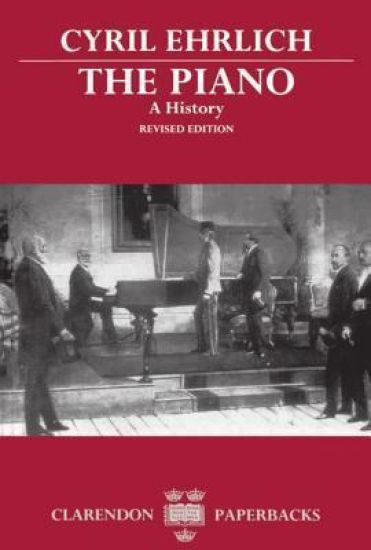
The Piano: A History

The Piano: A History

Cyril Ehrlich

Clarendon Press
1990
nidottu
For more than a century the piano occupied a dominant place in music and society. Professor Ehrlich follows its fascinating history from the fortepiano of Mozart's time, through the Victorians' `household orchestra and god', to the most sophisticated modern products of the Japanese manufacturers. His protagonists include barnstorming virtuosi, fashionable ladies and aspiring clerks, the great makers and the back-street `garrett-masters', distinguished musicians, and hire-purchase touts. Originally published in 1976 by Dent, this book has now been updated and revised by the author in the light of developments of recent years.

First Philharmonic

First Philharmonic

Cyril Ehrlich

Clarendon Press
1995
sidottu
Established by musicians in 1813, the Philharmonic is the world's second oldest concert society; only Leipzig is senior. Weber and Mendelssohn were active honorary members; Joachim and Clara Schumann lifelong friends. The list of gold medalists runs from Elgar and Beecham to Sibelius, Rachmaninov, and Tippett. Most instrumentalists and many singers of international repute mounted its platforms. Berlioz, Wagner, Tchaikovsky, Grieg, Dvorak and Strauss came to preside over their music. Celebrating a venerable institution, this history, based upon exhaustive research in the Society's archives, also addresses wider themes, which continue to bear upon concert life: the evolution of repertoire and performance, audience, agent and conductor; networks of recruitment; patronage and the market place; the collective biography and proliferation of London orchestras; the economics of fees and rehearsals. Shaw once claimed that the Philharmonic's generosity towards Beethoven was the only creditable incident in English history, and never mentioned by historians. A leading authority on the economic and social history of music now attempts to repair that omission.