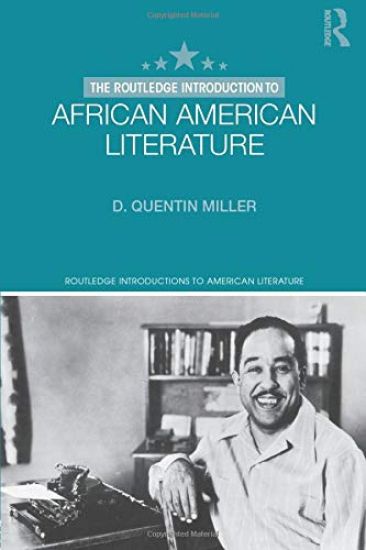
The Routledge Introduction to African American Literature considers the key literary, political, historical and intellectual contexts of African American literature from its origins to the present, and also provides students with an analysis of the most up-to-date literary trends and debates in African American literature. This accessible and engaging guide covers a variety of essential topics such as:Vernacular, Oral, and Blues Traditions in LiteratureSlave Narratives and Their InfluenceThe Harlem RenaissanceMid-twentieth century black American LiteratureLiterature of the civil rights and Black Power eraContemporary African American WritingKey thematic and theoretical debates within the fieldExamining the relationship between the literature and its historical and sociopolitical contexts, D. Quentin Miller covers key authors and works as well as less canonical writers and themes, including literature and music, female authors, intersectionality and transnational black writing.
The Routledge Introduction to African American Literature considers the key literary, political, historical and intellectual contexts of African American literature from its origins to the present, and also provides students with an analysis of the most up-to-date literary trends and debates in African American literature. This accessible and engaging guide covers a variety of essential topics such as:Vernacular, Oral, and Blues Traditions in LiteratureSlave Narratives and Their InfluenceThe Harlem RenaissanceMid-twentieth century black American LiteratureLiterature of the civil rights and Black Power eraContemporary African American WritingKey thematic and theoretical debates within the fieldExamining the relationship between the literature and its historical and sociopolitical contexts, D. Quentin Miller covers key authors and works as well as less canonical writers and themes, including literature and music, female authors, intersectionality and transnational black writing.
The Routledge Introduction to the American Novel provides a comprehensive and engaging guide to this cornerstone literary genre, reframing our understanding of the American novel and its evolving traditions. This volume aims to engage productive classroom discussion, including:What differentiates the American novel from its European predecessors and traditions from other parts of the world?How have the related myths of the American Dream and the Great American Novel affected understanding of the tradition over time?How do American novels by or about women, racial and ethnic minorities, immigrants, and members of lower social classes challenge the American cultural monomyth?How do experimental novels and eco-conscious novels alter the American novel tradition?Rethinking historical trends and debates surrounding the American novel, this text delivers a persuasive case for why it’s important to reevaluate the American novelistic tradition. The Routledge Introduction to the American Novel offers a much-needed update to the history and future of this literary form.
The Routledge Introduction to the American Novel provides a comprehensive and engaging guide to this cornerstone literary genre, reframing our understanding of the American novel and its evolving traditions. This volume aims to engage productive classroom discussion, including:What differentiates the American novel from its European predecessors and traditions from other parts of the world?How have the related myths of the American Dream and the Great American Novel affected understanding of the tradition over time?How do American novels by or about women, racial and ethnic minorities, immigrants, and members of lower social classes challenge the American cultural monomyth?How do experimental novels and eco-conscious novels alter the American novel tradition?Rethinking historical trends and debates surrounding the American novel, this text delivers a persuasive case for why it’s important to reevaluate the American novelistic tradition. The Routledge Introduction to the American Novel offers a much-needed update to the history and future of this literary form.
Among the many gifted African American authors who emerged in the 1970s and 80s, John Edgar Wideman is one of the most challenging and innovative. His analytical mind can turn almost any topic into an intellectual adventure, whether it is playground basketball, the blues, the prison experience, father-son relationships, or the stories he lived or heard growing up in the impoverished section of Pittsburgh known as Homewood. In Understanding John Edgar Wideman, D. Quentin Miller offers a comprehensive overview of Wideman’s writings, which range from the critically acclaimed books of the Homewood Trilogy to lesser known writings such as the early novels A Glance Away and The Lynchers. Notably Miller includes the first scholarly analysis of Writing to Save a Life, Wideman’s recently published meditation on the military trial and execution of the father of civil rights martyr Emmett Till.In his fiction, nonfiction, and works that artfully combine both forms, Wideman has employed a multilayered and often difficult writing style in order to explore a wide range of topics. Miller tackles such topics as African American folk history, the intersection of personal and public history, the confluence of oral and written traditions, and the quest for meaning in nihilistic urban settings where black families struggle against crime, poverty, and despair. Miller also shows how Wideman’s singular personal history is interwoven into his writings. His impressive accomplishments, including an Ivy League education and numerous literary honors, have come alongside family tragedies. By the time his sixth novel was published, both his brother and son were serving life sentences for murder, a source of anguish that he wrestled with in Brothers and Keepers and Fatheralong.Wideman writes with such authority on so many subjects that readers frequently have no idea what to expect with a new publication. Understanding John Edgar Wideman is thus a necessary guide to a prolific, varied, and essential oeuvre.