Kirjojen hintavertailu. Mukana 12 016 292 kirjaa ja 12 kauppaa.

Kirjahaku

Etsi kirjoja tekijän nimen, kirjan nimen tai ISBN:n perusteella.

7 kirjaa tekijältä Dale S. Wright

What Is Buddhist Enlightenment?

What Is Buddhist Enlightenment?

Dale S. Wright

Oxford University Press Inc
2016
sidottu
What kind of person should I strive to be? What ideals should I pursue in my life? What would it mean for all of us to wake up to the realities and possibilities for human life? These questions, or versions of them, are commonly thought of as the essential building blocks of the human condition, and often serve as running motifs throughout our lives. Dale S. Wright argues that the question at the heart of them all is one most commonly associated with Buddhism: what is enlightenment? Any serious practitioner of human life, Buddhist or not, confronts the challenge of how to reach a different, improved--or enlightened--state of being, and fundamental to that quest is grappling with what enlightenment actually means. Why then, Wright asks, is this question not only avoided, but discouraged among Buddhists? There are many reasons for this unspoken prohibition. The simplest and perhaps most important is that pondering a distant goal is a waste of energy that would be much better applied to practice: quiet the flow of obsessive thinking, put yourself in a mindful state of presence, and let enlightenment take care of itself. However, the point of Buddhist practice is that it might eventuate in some form of awakening; in some groundbreaking transformation; in enlightenment. Wright contends that understanding the nature of the enlightenment that one seeks is the most important task of all, and that it can and should be in line with practice. Once practice is underway, he says, there should be an ongoing meditation on the ideal that is being strived for. Wright here offers a wide--ranging exploration of issues that have a bearing on the contemporary meaning of enlightenment. While taking as his point of departure an examination of what enlightenment has been in past Buddhist traditions, his historical considerations are subordinate to the question that our lives press upon us--what kinds of lives should we aspire to live here, now, and into the future?
Buddhism

Buddhism

Dale S. Wright

Oxford University Press Inc
2020
nidottu
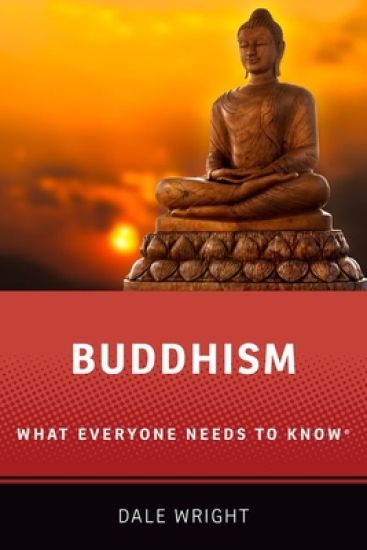
Buddhism is one of the oldest and largest of the world's religions. But it is also a tradition that has proven to have enormous contemporary relevance. Founded by Siddhartha Gautama, who came to be called the Buddha, the religion has spread from its origins in northeast India, across Asia, and eventually to the West, taking on new forms at each step of the way. Buddhism: What Everyone Needs to Know offers readers a brief, authoritative guide to one of the world's most diverse religious traditions in a reader-friendly question-and-answer format. Dale Wright covers the origins and early history of Buddhism, the diversity of types of Buddhism throughout history, and the status of contemporary Buddhism. This is a go-to book for anyone seeking a basic understanding of the origins, history, teachings, and practices of Buddhism.
Buddhism

Buddhism

Dale S. Wright

Oxford University Press Inc
2020
sidottu
Buddhism is one of the oldest and largest of the world's religions. But it is also a tradition that has proven to have enormous contemporary relevance. Founded by Siddhartha Gautama, who came to be called the Buddha, the religion has spread from its origins in northeast India, across Asia, and eventually to the West, taking on new forms at each step of the way. Buddhism: What Everyone Needs to Know offers readers a brief, authoritative guide to one of the world's most diverse religious traditions in a reader-friendly question-and-answer format. Dale Wright covers the origins and early history of Buddhism, the diversity of types of Buddhism throughout history, and the status of contemporary Buddhism. This is a go-to book for anyone seeking a basic understanding of the origins, history, teachings, and practices of Buddhism.
The Zen Canon

The Zen Canon

Dale S. Wright

Oxford University Press Inc
2004
sidottu
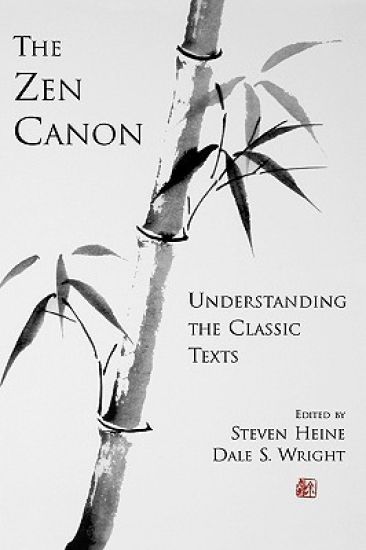
Bodhidharma, its first patriarch, reputedly said that Zen Buddhism represents "a special transmission outside the teaching/Without reliance on words and letters." This saying, along with the often perplexing use of language (and silence) by Zen masters, gave rise to the notion that Zen is a "lived religion" based strictly on practice. This collection of previously unpublished essays argues that Zen actually has a rich and varied literary heritage. Among the most significant texts are hagiographic accounts and recorded sayings of individual Zen masters, koan collections and commentaries, and rules for monastic life. This volume offers learned yet accessible studies of some of the most important classical Zen texts, including some that have received little scholarly attention (and many that are accessible only to specialists). Each essay provides historical, literary, and philosophical commentary on a particular text or genre.
The Zen Canon

The Zen Canon

Dale S. Wright

Oxford University Press Inc
2004
nidottu
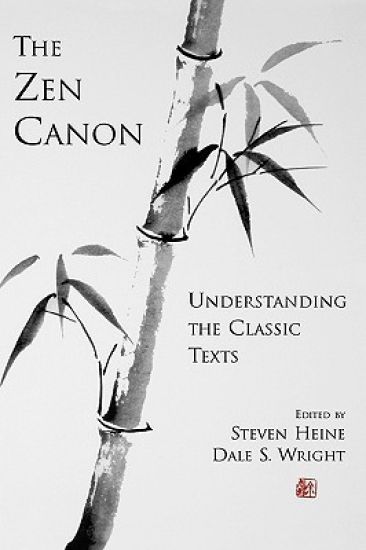
Bodhidharma, its first patriarch, reputedly said that Zen Buddhism represents "a special transmission outside the teaching/Without reliance on words and letters." This saying, along with the often perplexing use of language (and silence) by Zen masters, gave rise to the notion that Zen is a "lived religion," based strictly on non-linguistic practice and lacking a substantial canon of sacred texts. Even those who recognize the importance of Zen texts commonly limit their focus to a few select texts without recognizing the wide variety of Zen literature. This collection of previously unpublished essays argues that Zen actually has a rich and varied literary heritage. Among the most significant textual genres are hagiographic accounts and recorded sayings of individual Zen masters, koan collections and commentaries, and rules for monastic life. During times of political turmoil in China and Japan, these texts were crucial to the survival and success of Zen, and they have for centuries been valued by practitioners as vital expressions of the truth of Zen. This volume offers learned yet accessible studies of some of the most important classical Zen texts, including some that have received little scholarly attention (and many of which are accessible only to specialists). Each essay provides historical, literary, and philosophical commentary on a particular text or genre. Together, they offer a critique of the "de facto canon" that has been created by the limited approach of Western scholarship, and demonstrate that literature is a diverse and essential part of Zen Buddhism.
Living Skillfully

Living Skillfully

Dale S. Wright

OXFORD UNIVERSITY PRESS INC
2022
sidottu
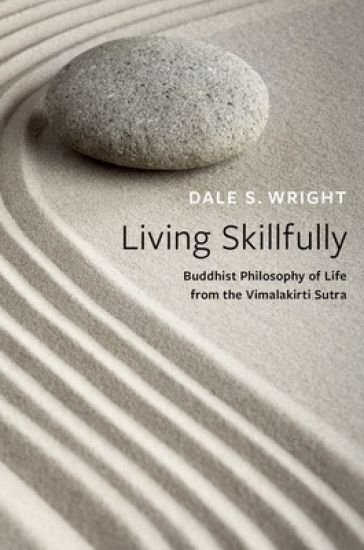
This book offers a contemporary philosophy of life drawing upon Buddhist resources from the Vimalakirti Sutra. Among the major themes in this Mahayana Buddhist scripture is the "skillful means" required to live a healthy and undeluded life. The book adopts that theme as a means of developing a practical approach to contemporary Buddhist life. Following many of the brilliant stories in the sutra, this book attempts to provide clear explanations for the primary Buddhist teachings and the relationships that bind them all together into an inspiring way of living. Among the questions addressed are: who is the Buddha, how is a worldview of change and contingency applicable to current life, what does it mean to claim that there is no permanent self, what are the primary characteristics of an admirable Buddhist life, how is freedom conceived in Buddhism, and how do all of these themes help us address issues that are pressing for us today. Although historical questions do arise in the book, its primary purpose is contemporary and practical, an effort to say clearly how this text helps us stake out a way of living for contemporary, global citizens.
What Is Buddhist Enlightenment?

What Is Buddhist Enlightenment?

Dale S. Wright

OXFORD UNIVERSITY PRESS INC
2023
nidottu
What kind of person should I strive to be? What ideals should I pursue in my life? These basic human questions and others like them are components of the overall question that guides this book: What is enlightenment? As Dale Wright argues, any serious practitioner of human life, religious or not, confronts the challenge of living an authentic life, of overcoming common human disabilities like greed, hatred, and delusion that give rise to excessive suffering. Why then, Wright asks, is this essential question often avoided, even discouraged among Buddhists? One reason frequently cited by Buddhists is that pondering a distant goal might be a waste of energy that would be better applied to practice: Quiet the flow of obsessive thinking, put yourself in a mindful state of presence, and let enlightenment take care of itself. In this book, however, Wright contends that pondering this question is meditative practice--that attentive inquiry of this kind is essential as the starting point and guide for any mindful practice of life. Meditative reflection on the meaning of enlightenment focuses us on our aim and direction in life. It guides us in shaping our practices, our ideals, and the kinds of lives we will live. Asking what enlightenment is as a basic form of meditation helps to activate our lives and get transformative practice underway. From Wright's perspective, there is no more important question to ask than this one. What is Buddhist Enlightenment? offers a wide-ranging exploration of issues that have a bearing on the contemporary meaning of enlightenment, including a concluding section with 10 theses that answer the title's question. Written by a leading scholar of Buddhism, the book balances deep learning and an accessible style, offering valuable insights for students, scholars, and practitioners alike. While he takes an examination of what enlightenment has been in past Buddhist traditions as his point of departure, Wright's historical considerations yield to the question that our lives press upon us--what kinds of lives should we aspire to live here, now, and into the future?