

Kirjahaku
Etsi kirjoja tekijän nimen, kirjan nimen tai ISBN:n perusteella.
41 kirjaa tekijältä Dan Ryan
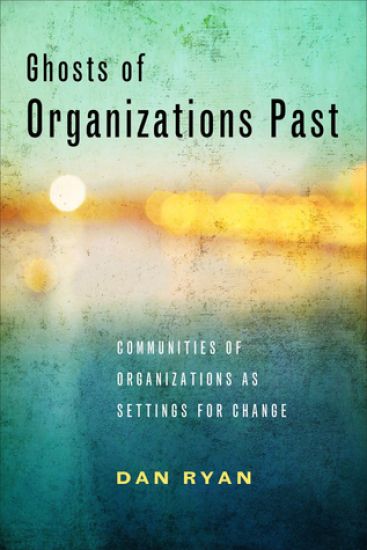
In Ghosts of Organizations Past, Dan Ryan asks, “Why are urban communities such hard places to implement community improvement programs?” Looking at New Haven, Connecticut, and a now-defunct program called Fighting Back, which was created to build community coalitions against the abuse of alcohol and other drugs, Ryan shows how the normal properties of organizations generate apparent pathologies. He shows how the “ghosts,” or artifacts, of past organizations, both inhibited and enhanced Fighting Back's chances of success. Ryan draws on concepts from the study of organizations, social capital, and social networks to re-think questions such as “What kind of thing is a community?” and “Why is it so difficult to build community initiatives out of organizations?” He provides a social organizational explanation for problems familiar to anyone who has been involved in community programs, issues that are usually understood as personal incompetence, turf wars, greed, or corruption.Ghosts of Organizations Past describes the challenges of using organizations to create change in places in dire need of it.
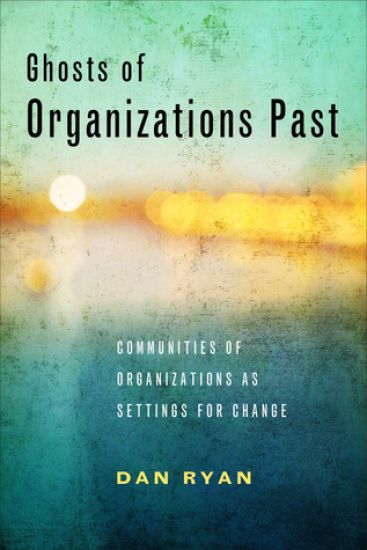
In Ghosts of Organizations Past, Dan Ryan asks, “Why are urban communities such hard places to implement community improvement programs?” Looking at New Haven, Connecticut, and a now-defunct program called Fighting Back, which was created to build community coalitions against the abuse of alcohol and other drugs, Ryan shows how the normal properties of organizations generate apparent pathologies. He shows how the “ghosts,” or artifacts, of past organizations, both inhibited and enhanced Fighting Back's chances of success. Ryan draws on concepts from the study of organizations, social capital, and social networks to re-think questions such as “What kind of thing is a community?” and “Why is it so difficult to build community initiatives out of organizations?” He provides a social organizational explanation for problems familiar to anyone who has been involved in community programs, issues that are usually understood as personal incompetence, turf wars, greed, or corruption.Ghosts of Organizations Past describes the challenges of using organizations to create change in places in dire need of it.















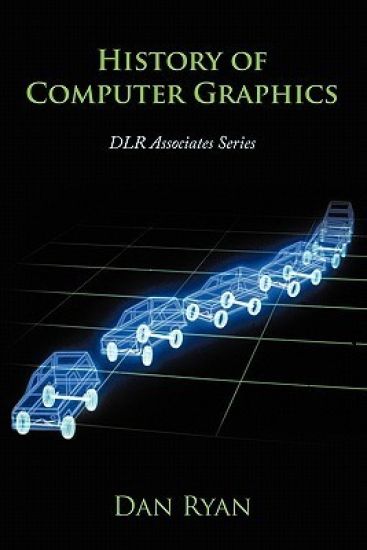
This book reflects the many changes that computer graphics technology has under gone in my working life time. I graduated from a teachers college in 1963. There was not a computer of any kind on campus, imagine my shock when my very first college employer (Omaha University) required me to know something about an IBM 1620 and a key punch machine The first part of this book is an account of that experience at Omaha University and later the Nebraska of Nebraska at Omaha. When I moved to Clemson University in 1976, they had a computer and a large Calcomp Plotter but nothing else in the way of computer graphics hardware or software. So, except for a few short sections in chapter one, this history begins with the events of 1963 and proceeds to document what happened to computer graphics for engineering design and manufacturing as practiced by an engineer or technician at Clemson University. The next section of the book contains my experiences as a self-employed consultant (1993-present), my consulting started in 1984 after I completed a PhD in Data Systems Engineering. In 1993, I left full time teaching and became Professor Emeritus at Clemson University. I wanted to start my own consulting company, DLR Associates. Oddly enough, most of my first consulting in computer graphics took place in the Omaha and Pennsylvania areas - not South Carolina. My contacts came from my paper presentations at various ASEE meetings and the annual national distance learning conferences held at the University of Maine. I took a year off to accept a Fulbright Scholarship Nomination from the University of Rookee, India. I was listed as an international member in the Who's Who Directory of the computer graphics industry. In a nut shell, that is who I am. Why, then, did I decide to write this book?
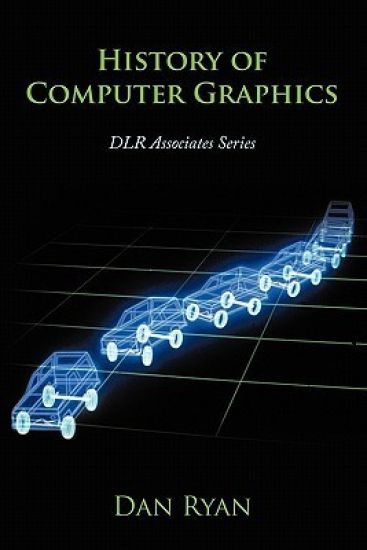
This book reflects the many changes that computer graphics technology has under gone in my working life time. I graduated from a teachers college in 1963. There was not a computer of any kind on campus, imagine my shock when my very first college employer (Omaha University) required me to know something about an IBM 1620 and a key punch machine The first part of this book is an account of that experience at Omaha University and later the Nebraska of Nebraska at Omaha. When I moved to Clemson University in 1976, they had a computer and a large Calcomp Plotter but nothing else in the way of computer graphics hardware or software. So, except for a few short sections in chapter one, this history begins with the events of 1963 and proceeds to document what happened to computer graphics for engineering design and manufacturing as practiced by an engineer or technician at Clemson University. The next section of the book contains my experiences as a self-employed consultant (1993-present), my consulting started in 1984 after I completed a PhD in Data Systems Engineering. In 1993, I left full time teaching and became Professor Emeritus at Clemson University. I wanted to start my own consulting company, DLR Associates. Oddly enough, most of my first consulting in computer graphics took place in the Omaha and Pennsylvania areas - not South Carolina. My contacts came from my paper presentations at various ASEE meetings and the annual national distance learning conferences held at the University of Maine. I took a year off to accept a Fulbright Scholarship Nomination from the University of Rookee, India. I was listed as an international member in the Who's Who Directory of the computer graphics industry. In a nut shell, that is who I am. Why, then, did I decide to write this book?