Kirjojen hintavertailu. Mukana 12 498 983 kirjaa ja 12 kauppaa.

Kirjahaku

Etsi kirjoja tekijän nimen, kirjan nimen tai ISBN:n perusteella.

8 kirjaa tekijältä Daniel J. Benny

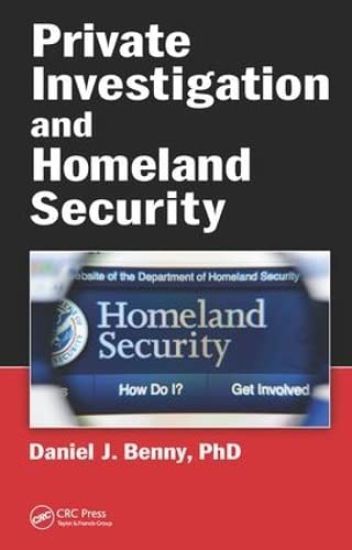
Private Investigation and Homeland Security
The threat against the homeland continues and the private investigator plays a critical part in this effort. This includes in providing criminal, civil and background investigation, protective service, security consulting and electronic sweeps. The text will provide an overview of the role of private investigation in protection of the homeland and show how such skill can be utilized by business and government in this effort.
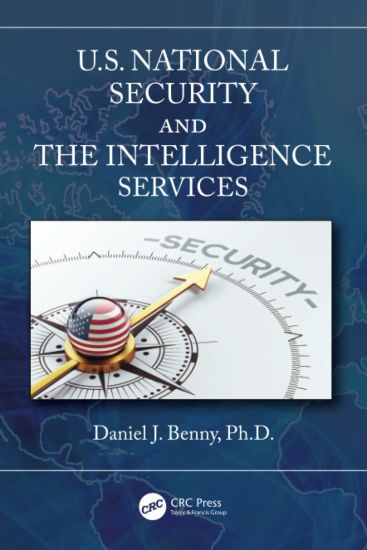
U.S. National Security and the Intelligence Services
While there are books that cover national security, intelligence collection, intelligence analysis, and various intelligence services, U.S. National Security and the Intelligence Services is the first, all-inclusive book to examine intelligence agencies as a direct function of national security. It serves as a comprehensive text for students and a resource for those in the intelligence profession and national security scholars. The book offers an in-depth understanding of the important role that the intelligence services provide to the national security of a nation. It also includes information on the various types of intelligence, collection methods, tradecraft and intelligence analysis methods, as well intelligence-related resources. Coverage provides an overview of what national security is and its relationship to intelligence services of the United States, its key allies, and hostile nations. Key Features: Identifies the various national security threats and details the numerous U.S. and key allied intelligence services that work and collaborate to mitigate such threats Reviews the types of intelligence—outlining intelligence collection methods and intelligence tradecraft Explores how to determine the value of the intelligence collected, explaining the various methods of intelligence analysis and optimal methods to present conclusions The roles the various agencies in the intelligence services play are as vital as the intelligence collected, the means by which it’s collected, and the methodology in which it is disseminated and analyzed. U.S. National Security and the Intelligence Services provides a handy reference outlining the framework, and the processes, that comprise the US intelligence apparatus.
U.S. National Security and the Intelligence Services
While there are books that cover national security, intelligence collection, intelligence analysis, and various intelligence services, U.S. National Security and the Intelligence Services is the first, all-inclusive book to examine intelligence agencies as a direct function of national security. It serves as a comprehensive text for students and a resource for those in the intelligence profession and national security scholars. The book offers an in-depth understanding of the important role that the intelligence services provide to the national security of a nation. It also includes information on the various types of intelligence, collection methods, tradecraft and intelligence analysis methods, as well intelligence-related resources. Coverage provides an overview of what national security is and its relationship to intelligence services of the United States, its key allies, and hostile nations. Key Features: Identifies the various national security threats and details the numerous U.S. and key allied intelligence services that work and collaborate to mitigate such threats Reviews the types of intelligence—outlining intelligence collection methods and intelligence tradecraft Explores how to determine the value of the intelligence collected, explaining the various methods of intelligence analysis and optimal methods to present conclusions The roles the various agencies in the intelligence services play are as vital as the intelligence collected, the means by which it’s collected, and the methodology in which it is disseminated and analyzed. U.S. National Security and the Intelligence Services provides a handy reference outlining the framework, and the processes, that comprise the US intelligence apparatus.
Cultural Property Security

Cultural Property Security

Daniel J. Benny

CRC Press Inc
2012
sidottu
The protection and security of cultural properties is of primary concern to the thousands of federal, state, county, city, and private institutions entrusted with housing and displaying our national heritage and history of our society. Cultural property security is of global importance as well, with tens of thousands of institutions internationally tasked with protecting and maintaining relics and artifacts of social, cultural, and historical significance.Cultural Property Security offers powerful protection guidelines to security departments tasked with safeguarding popular historical sites, museums, and libraries and the historical artifacts they house. Presenting practical, ready-to-implement solutions in a clear writing style, the book:Provides a working definition of cultural propertiesIdentifies the threats against cultural properties from crime and terrorism, particularly in regions with political or civil unrestOffers guidance in threat assessmentIdentifies the physical security measures and technology that can be used to protect such institutions Presents guidelines for establishing a protective service department for cultural propertiesDescribes proper arrest and post-arrest protocolsIncludes a list of online resources for further information related to the protection of cultural properties Complete with dozens of photos, the book establishes leading industry best practices to identify the various threats to cultural properties and protect them.Dr. Daniel J. Benny has more than 35 years of security management experience and has served as a Director of Protective Services for the state of Pennsylvania’s Historic and Museum Commission. His insight is invaluable to those responsible for securing these institutions from internal and external threats.
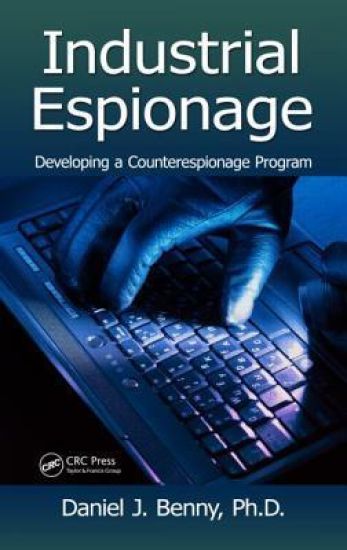
Industrial Espionage

Industrial Espionage

Daniel J. Benny

CRC Press Inc
2013
sidottu
The FBI estimates that billions of U.S. dollars are lost each year to foreign and domestic competitors who deliberately target industrial trade secrets. And, although today’s organizations face unprecedented threats to the security of their proprietary information and assets, most books on industrial espionage fail to supply guidelines for establishing a program to prevent and thwart such threats.Filling this need, Industrial Espionage: Developing a Counterespionage Program provides complete coverage of how to ensure the protection of company proprietary information and assets, including how to develop an effective corporate counterespionage program. The book presents the insights of a former veteran of the Office of Naval Intelligence.The book examines the motives behind industrial espionage and illustrates the variety of spy tradecraft utilized. Through the use of real-world case examples, the author provides guidelines to determine the current threat level to your organization’s proprietary assets as well as the physical security countermeasures, policy, and procedures that must be in place to establish an effective counterespionage program.Outlining the day-to-day aspects of protecting sensitive data and trade secrets in a corporate security setting, this book is suitable for organizations that have proprietary information and assets to protect, businesses that have operations or partner with companies overseas such as China, organizations that work with the federal government on classified projects, security and counterespionage professionals, and university degree programs in Homeland Security and intelligence.
Private Investigation and Homeland Security

Private Investigation and Homeland Security

Daniel J. Benny

Productivity Press
2016
sidottu
The threat against the homeland continues and the private investigator plays a critical part in this effort. This includes in providing criminal, civil and background investigation, protective service, security consulting and electronic sweeps. The text will provide an overview of the role of private investigation in protection of the homeland and show how such skill can be utilized by business and government in this effort.
The Complete Guide to Physical Security

The Complete Guide to Physical Security

Paul R. Baker; Daniel J. Benny

Auerbach Publishers Inc.
2012
sidottu
To adequately protect an organization, physical security must go beyond the "gates, guns, and guards" mentality that characterizes most security programs. Creating a sound security plan involves understanding not only security requirements but also the dynamics of the marketplace, employee issues, and management goals. The Complete Guide to Physical Security discusses the assets of a facility—people, building, and location—and the various means to protect them. It emphasizes the marriage of technology and physical hardware to help those tasked with protecting these assets to operate successfully in the ever-changing world of security.The book covers specific physical security technologies, such as intrusion detection, access control, and video surveillance systems—including networked video. It addresses the reasoning behind installations, how to work with contractors, and how to develop a central station for monitoring. It also discusses government regulations for building secured facilities and SCIFs (Sensitive Compartmented Information Facilities). Case examples demonstrate the alignment of security program management techniques with not only the core physical security elements and technologies but also operational security practices.The authors of this book have nearly 50 years combined experience in the security industry—including the physical security and security management arenas. Their insights provide the foundation for security professionals to develop a comprehensive approach to achieving physical security requirements while also establishing leadership roles that help further the overall mission of their organization.