Kirjojen hintavertailu. Mukana 11 424 626 kirjaa ja 12 kauppaa.

Kirjahaku

Etsi kirjoja tekijän nimen, kirjan nimen tai ISBN:n perusteella.

2 kirjaa tekijältä Daniel P. Aldrich

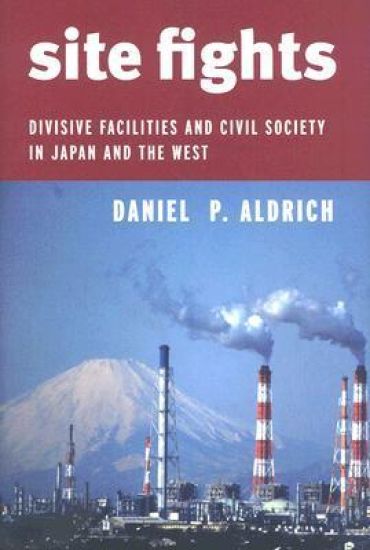
Site Fights

Site Fights

Daniel P. Aldrich

Cornell University Press
2008
sidottu
One of the most vexing problems for governments is building controversial facilities that serve the needs of all citizens but have adverse consequences for host communities. Policymakers must decide not only where to locate often unwanted projects but also what methods to use when interacting with opposition groups. In Site Fights, Daniel P. Aldrich gathers quantitative evidence from close to five hundred municipalities across Japan to show that planners deliberately seek out acquiescent and unorganized communities for such facilities in order to minimize conflict. When protests arise over nuclear power plants, dams, and airports, agencies regularly rely on the coercive powers of the modern state, such as land expropriation and police repression. Only under pressure from civil society do policymakers move toward financial incentives and public relations campaigns. Through fieldwork and interviews with bureaucrats and activists, Aldrich illustrates these dynamics with case studies from Japan, France, and the United States. The incidents highlighted in Site Fights stress the importance of developing engaged civil society even in the absence of crisis, thereby making communities both less attractive to planners of controversial projects and more effective at resisting future threats.
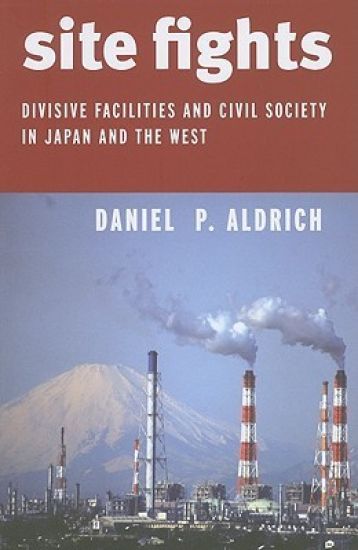
Site Fights

Site Fights

Daniel P. Aldrich

Cornell University Press
2010
pokkari
One of the most vexing problems for governments is building controversial facilities that serve the needs of all citizens but have adverse consequences for host communities. Policymakers must decide not only where to locate often unwanted projects but also what methods to use when interacting with opposition groups. In Site Fights, Daniel P. Aldrich gathers quantitative evidence from close to five hundred municipalities across Japan to show that planners deliberately seek out acquiescent and unorganized communities for such facilities in order to minimize conflict. When protests arise over nuclear power plants, dams, and airports, agencies regularly rely on the coercive powers of the modern state, such as land expropriation and police repression. Only under pressure from civil society do policymakers move toward financial incentives and public relations campaigns. Through fieldwork and interviews with bureaucrats and activists, Aldrich illustrates these dynamics with case studies from Japan, France, and the United States. The incidents highlighted in Site Fights stress the importance of developing engaged civil society even in the absence of crisis, thereby making communities both less attractive to planners of controversial projects and more effective at resisting future threats.