Kirjojen hintavertailu. Mukana 11 717 486 kirjaa ja 12 kauppaa.

Kirjahaku

Etsi kirjoja tekijän nimen, kirjan nimen tai ISBN:n perusteella.

4 kirjaa tekijältä Daniel R. Reichman

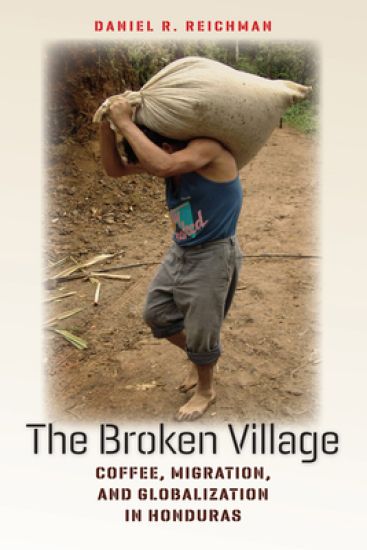
The Broken Village

The Broken Village

Daniel R. Reichman

ILR Press
2011
sidottu
In The Broken Village, Daniel R. Reichman tells the story of a remote village in Honduras that transformed almost overnight from a sleepy coffee-growing community to a hotbed of undocumented migration to and from the United States. The small village—called here by the pseudonym La Quebrada—was once home to a thriving coffee economy. Recently, it has become dependent on migrants working in distant places like Long Island and South Dakota, who live in ways that most Honduran townspeople struggle to comprehend or explain. Reichman explores how the new "migration economy" has upended cultural ideas of success and failure, family dynamics, and local politics. During his time in La Quebrada, Reichman focused on three different strategies for social reform—a fledgling coffee cooperative that sought to raise farmer incomes and establish principles of fairness and justice through consumer activism; religious campaigns for personal morality that were intended to counter the corrosive effects of migration; and local discourses about migrant "greed" that labeled migrants as the cause of social crisis, rather than its victims. All three phenomena had one common trait: They were settings in which people presented moral visions of social welfare in response to a perceived moment of crisis. The Broken Village integrates sacred and secular ideas of morality, legal and cultural notions of justice, to explore how different groups define social progress.

The Broken Village

The Broken Village

Daniel R. Reichman

ILR Press
2011
pokkari
In The Broken Village, Daniel R. Reichman tells the story of a remote village in Honduras that transformed almost overnight from a sleepy coffee-growing community to a hotbed of undocumented migration to and from the United States. The small village—called here by the pseudonym La Quebrada—was once home to a thriving coffee economy. Recently, it has become dependent on migrants working in distant places like Long Island and South Dakota, who live in ways that most Honduran townspeople struggle to comprehend or explain. Reichman explores how the new "migration economy" has upended cultural ideas of success and failure, family dynamics, and local politics. During his time in La Quebrada, Reichman focused on three different strategies for social reform—a fledgling coffee cooperative that sought to raise farmer incomes and establish principles of fairness and justice through consumer activism; religious campaigns for personal morality that were intended to counter the corrosive effects of migration; and local discourses about migrant "greed" that labeled migrants as the cause of social crisis, rather than its victims. All three phenomena had one common trait: They were settings in which people presented moral visions of social welfare in response to a perceived moment of crisis. The Broken Village integrates sacred and secular ideas of morality, legal and cultural notions of justice, to explore how different groups define social progress.
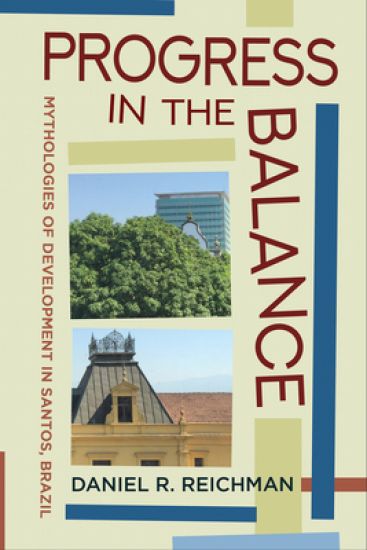
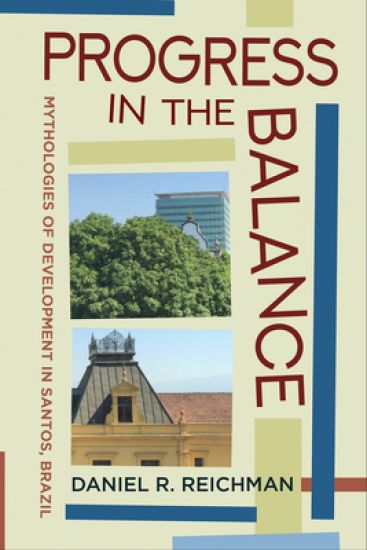
Progress in the Balance

Progress in the Balance

Daniel R. Reichman

CORNELL UNIVERSITY PRESS
2023
sidottu
Through a historical ethnography of Santos, Brazil, Progress in the Balance addresses and assesses an anthropological theory of progress. Observing that anthropology is a progressive discipline with a pessimistic attitude towards progress, Daniel Reichman explains the contested meanings of progress in Brazil and explores how anthropologists and others can define this concept more generally. He investigates how any society can separate "progress" from plain old change and, if change is constantly happening all around us, how and why certain events get lifted out of a normal timeframe and into a mythic narrative of progress. Each chapter outlines a particular episode in the history of Santos, a city undergoing an unprecedented period of economic and political turmoil, as it is represented in public culture, mainly through museums, monuments, art, and public events. Drawing on the anthropology of myth, Reichman proposes a model that he refers to as a "clash of timescapes." Progress in the Balance shows how this concept of "progress" requires a different temporal structure that separates sacralized social change from mundane historical events.
Progress in the Balance

Progress in the Balance

Daniel R. Reichman

CORNELL UNIVERSITY PRESS
2023
pokkari
Through a historical ethnography of Santos, Brazil, Progress in the Balance addresses and assesses an anthropological theory of progress. Observing that anthropology is a progressive discipline with a pessimistic attitude towards progress, Daniel Reichman explains the contested meanings of progress in Brazil and explores how anthropologists and others can define this concept more generally. He investigates how any society can separate "progress" from plain old change and, if change is constantly happening all around us, how and why certain events get lifted out of a normal timeframe and into a mythic narrative of progress. Each chapter outlines a particular episode in the history of Santos, a city undergoing an unprecedented period of economic and political turmoil, as it is represented in public culture, mainly through museums, monuments, art, and public events. Drawing on the anthropology of myth, Reichman proposes a model that he refers to as a "clash of timescapes." Progress in the Balance shows how this concept of "progress" requires a different temporal structure that separates sacralized social change from mundane historical events.