Kirjojen hintavertailu. Mukana 11 417 491 kirjaa ja 12 kauppaa.

Kirjahaku

Etsi kirjoja tekijän nimen, kirjan nimen tai ISBN:n perusteella.

6 kirjaa tekijältä Daniela Berghahn

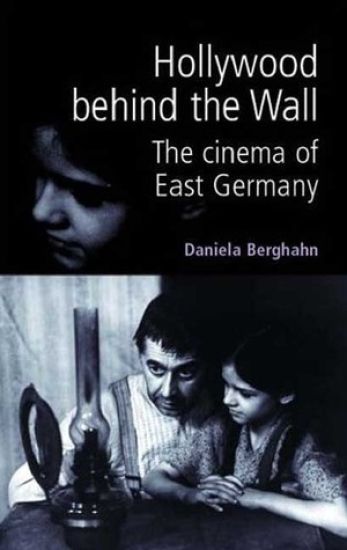
Hollywood Behind the Wall

Hollywood Behind the Wall

Daniela Berghahn

Manchester University Press
2005
nidottu
This book is a representative history of East German film culture from 1946 to the present, examining both DEFA's celebrated classics and the most acclaimed post-unification feature films by East German directors.'Hollywood behind the wall' demonstrates that East German cinema occupies an ambivalent position between German national cinema on the one hand and East European and Soviet cinema on the other. It includes a wide-ranging exploration of post-unification cinema from East Germany, including cult films such as 'Sun Alley' and 'Goodbye, Lenin!' and provides contextualised, close readings of twenty significant films, referencing one hundred and ninety East German films in total, along with numerous West German and East European classics.The book's scope and its critical consideration of archival materials and scholarly literature make it an authoritative compendium for students and scholars of film studies, German studies and modern European history.

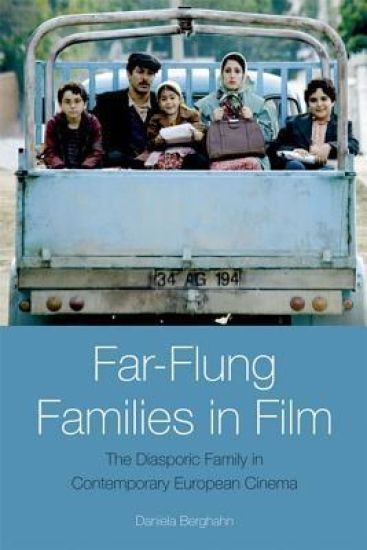
Far-Flung Families in Film

Far-Flung Families in Film

Daniela Berghahn

Edinburgh University Press
2013
sidottu
In the age of globalisation, diasporic and other types of transnational family are increasingly represented across the film spectrum in works such as Bend It Like Beckham, The Namesake, Boys 'n the Hood, Dilwale Dulhania Le Jayenge (The Brave Heart Will Take the Bride) and My Big Fat Greek Wedding. While there is a significant body of scholarship on the representation of the family in Hollywood cinema, an analysis of the depiction of the diasporic family in cinema from a comparative transnational angle has yet to be attempted. This book fills this gap and provides an essential resource for academics and researchers with an interest in cinematic representations of the family and transnational cinema.The work will answer the following key questions: 1. Why is diasporic cinema characterised by a preponderance of family narratives?2. How does the diasporic family as constructed in cinema relate to or differ from models of family life in dominant social groups?3. What role does authorship play in the depiction of the diasporic family?4. How does diasporic cinema negotiate the aesthetic and generic conventions of film genres commonly associated with the representation of the family?Key featureso In-depth thematic study in the field of transnational film studieso Truly international coverage, including traditions of non-Western film cultureso Interdisciplinary approach offering an original and innovative model to encourage further researcho Planned companion website with a searchable database of relevant films, bibliographical references and an interactive discussion forum on key issues and themes (if AHRC funding application is successful, the website will also include podcasts of interviews with a number of filmmakers and other industry professionals).
Far-Flung Families in Film

Far-Flung Families in Film

Daniela Berghahn

Edinburgh University Press
2014
nidottu
This is an in-depth critical exploration of cinematic representations of the family in transnational cinema. In the age of globalisation, diasporic and other types of transnational family are increasingly represented across the film spectrum in works such as Bend It Like Beckham, The Namesake, Boys 'n the Hood, Dilwale Dulhania Le Jayenge (The Brave Heart Will Take the Bride) and My Big Fat Greek Wedding. While there is a significant body of scholarship on the representation of the family in Hollywood cinema, an analysis of the depiction of the diasporic family in cinema from a comparative transnational angle has yet to be attempted. Far-Flung Families in Film fills this gap and provides an essential resource for academics and researchers with an interest in cinematic representations of the family and transnational cinema. The work will answer the following key questions: Why is diasporic cinema characterised by a preponderance of family narratives?; How does the diasporic family as constructed in cinema relate to or differ from models of family life in dominant social groups?; What role does authorship play in the depiction of the diasporic family?; How does diasporic cinema negotiate the aesthetic and generic conventions of film genres commonly associated with the representation of the family?. It takes a theme-centred approach, examining journeys of migration, family memories, gender identities, romance and weddings. It includes 15 detailed case studies of diasporic family films.
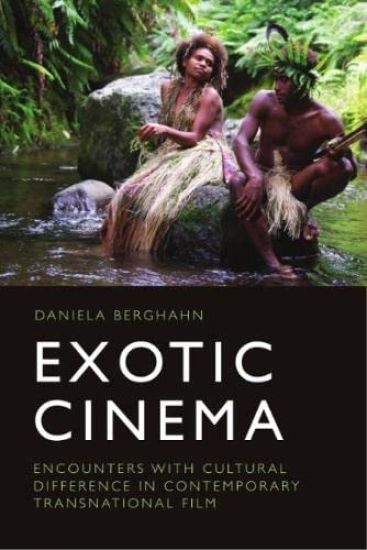
Exotic Cinema

Exotic Cinema

Daniela Berghahn

EDINBURGH UNIVERSITY PRESS
2023
sidottu
A critical reassessment of the aesthetic strategies and cultural value of exoticism in contemporary transnational cinemas Offers an original, critical reappraisal of decentred exoticism in contemporary transnational and world cinema Includes eighteen case studies that are embedded in rich contextual detail and discussions of thematically similar films Brings exoticism into dialogue with cognate frameworks that conceptualise cross-cultural encounters, including primitivism, Orientalism, cultural translation, cultural appropriation, cosmopolitanism and autoethnography, thereby shifting the terms of the debate into a direction that opens new lines of inquiry Analyses examples of global art, Indigenous and popular mainstream cinema from East Asia, India, South America, Canada, Australia, Europe and the US Comes with a companion website: www.exotic-cinema.org Exotic Cinema is the first systematic analysis of decentred exoticism in contemporary transnational and world cinema. By critically examining regimes of visuality such as the imperial, the ethnographic and the exotic gaze, which have colonised our minds and ways of looking, Daniela Berghahn makes an important contribution to the urgent agenda of decolonising film studies. Berghahn demonstrates that decentred exoticism's aesthetic versatility and alluring alterity are uniquely relevant for understanding the transnational appeal of world cinema. She addresses prevalent controversies surrounding exoticism and illustrates that, in contemporary world cinema, it is utilised to draw attention to new ethical and socio-political goals. Global in scope and transnational in perspective, Exotic Cinema invites students and researchers to reassess this prominent mode of cultural representation.
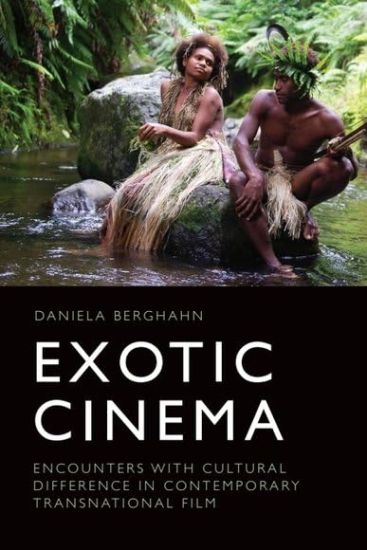
Exotic Cinema

Exotic Cinema

Daniela Berghahn

EDINBURGH UNIVERSITY PRESS
2024
nidottu
Exotic Cinema is the first systematic analysis of decentred exoticism in contemporary transnational and world cinema. By critically examining regimes of visuality such as the imperial, the ethnographic and the exotic gaze, which have colonised our minds and ways of looking, Daniela Berghahn makes an important contribution to the urgent agenda of decolonising film studies.Berghahn demonstrates that decentred exoticism's aesthetic versatility and alluring alterity are uniquely relevant for understanding the transnational appeal of world cinema. She addresses prevalent controversies surrounding exoticism and illustrates that, in contemporary world cinema, it is utilised to draw attention to new ethical and socio-political goals. Global in scope and transnational in perspective, Exotic Cinema invites students and researchers to reassess this prominent mode of cultural representation.
Raumdarstellung Im Englischen Roman Der Moderne
Der moderne Roman zeichnet sich durch ein ausgepragtes Formbe- wusstsein, einen Hang zum Experiment mit Struktur und Sprache aus. Anhand einer Analyse von sieben Klassikern dieser Epoche unter- sucht die Autorin, welche Rolle typisch modernistische Gestaltungs- prinzipien wie Fragmentarisierung, Reduktion und Reflexivitat innerhalb der Darstellung des Raumes spielen. Strukturelle ebenso wie thematische Innovationen der Raumbeschreibung sind Ausdruck eines fundamentalen Wandels in der Wahrnehmung des Ich und der Welt, der sich zu Beginn des 20. Jahrhunderts in allen Kunsten manifestierte. Durch einen interdisziplinaren Vergleich zwischen den Konventionen modernistischer Deskription und zeitgenossischen Stromungen in der Malerei versucht die Autorin, Interdependenzen zwischen der Literatur und der bildenden Kunst aufzuzeigen."