Kirjojen hintavertailu. Mukana 11 377 355 kirjaa ja 12 kauppaa.

Kirjahaku

Etsi kirjoja tekijän nimen, kirjan nimen tai ISBN:n perusteella.

2 kirjaa tekijältä Daniela Naomi Molnar

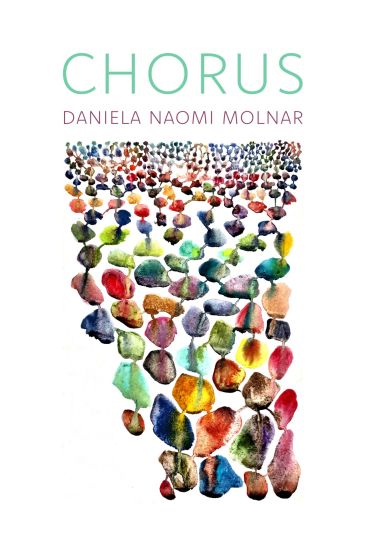
Chorus

Chorus

Daniela Naomi Molnar

Omnidawn Publishing
2023
nidottu
Poems that incorporate multiple voices to embrace fragmentation, discord, and plurality. At a time of simultaneous isolation and interconnection, this book is an inquiry into the edges of the self. Pushing back on capitalist messages of individuality, CHORUS instead seeks the multifaceted self that engages with the radical diversity that characterizes any healthy ecosystem or society. Moving between a remote canyon in New Mexico, the Pacific Northwest, New York City, the virtual world, the past, and the unstable future, the author asks, “Whose afterimage am I?” The sprawling, celebratory, mourning chorus of this book is the sum of many voices; the words of other writers, poets, and artists are interwoven with the author’s words. This is a celebration of language’s capacity to supersede bodily limits, mortality, and existential loneliness. Daniela Naomi Molnar’s chorus encompasses violence, love, empathy, fear, a burning planet, a pandemic, heartbreak, desire, joy, and grief. Rather than seeking resolution, these poems look through the lens of a fragmented self, dwelling in plurality, discord, and harmony. CHORUS is the winner of Omnidawn’s 1st /2nd Book Prize, judged by Kazim Ali.
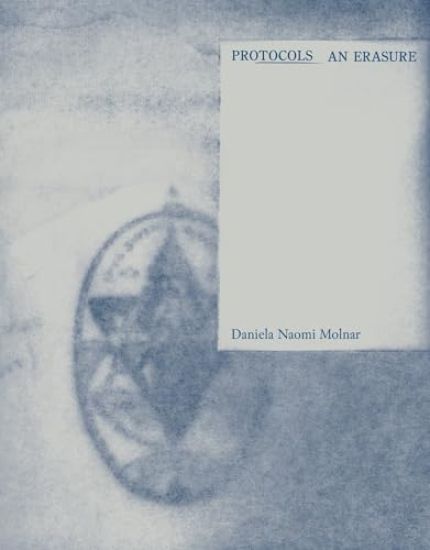
Protocols

Protocols

Daniela Naomi Molnar

Ayin Press
2025
pokkari
An urgent, poetic exploration of power, memory, belief, and the dangers and possibilities of language. PROTOCOLS: An Erasure transforms the world’s most in?uential antisemitic document, The Protocols of the Elders of Zion, into an erasure poem exploring essential questions of power, history, and language. By redacting words from the original document, Molnar created a book-length poem that breathes space and light into a text dense with hatred. She patiently uncovers the questions buried within the source text: What is the true nature of power, and how is it tied to a fear of the unknown? How can language, weaponized and eroded, also be a tool for healing? And how can silence help us reckon with history and shape the future? Accompanying the poem, a lyric essay excavates the poet’s deep personal connection to the source text, weaving personal and collective history by traversing former concentration camps, immigrant communities in New York City, and remote desert wildernesses, and posing new possibilities for a less deterministic, more spacious and peaceful world.