Kirjojen hintavertailu. Mukana 12 016 292 kirjaa ja 12 kauppaa.

Kirjahaku

Etsi kirjoja tekijän nimen, kirjan nimen tai ISBN:n perusteella.

3 kirjaa tekijältä Daniela Pinna

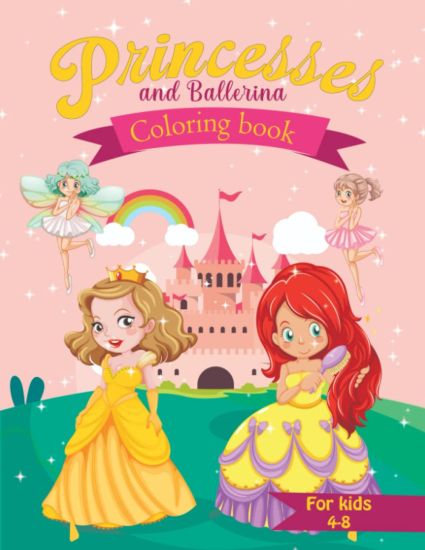
Coloring Book for Kids Princesses and Ballerina

Coloring Book for Kids Princesses and Ballerina

Daniela Pinna

Independently Published
2019
pokkari
Do your kids like to color? Do your kids love Principesses and Ballerina? Then this coloring book is for you. Coloring Book is for girls aged from 2 to 8 years old. In This Coloring book: this book contains a rich variety of awesome coloring pictures, which are sure to delight and thrill any boy interested in Principesses and Ballerina.It is packed with all types of Principesses and Ballerina for you to spend a colorful time with your kids or let them enjoy it by themselves.The Book includes 50 coloring drawings. Each drawing is high quality, handmade and then in digital format.The coloring books also makes a perfect gift for kids that love Principesses and Ballerina.If you are looking for a seriously fun, marvelously modern and totally cool, cars and vehicles coloring book, then Scroll the top of the page and select the Buy Now button.
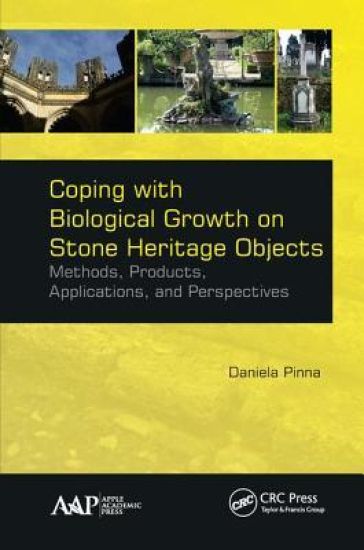
Coping with Biological Growth on Stone Heritage Objects

Coping with Biological Growth on Stone Heritage Objects

Daniela Pinna

Apple Academic Press Inc.
2017
sidottu
Coping with Biological Growth on Stone Heritage Objects: Methods, Products, Applications, and Perspectives offers hands-on guidance for addressing the specific challenges involved in conserving historical monuments, sculptures, archaeological sites, and caves that have been attacked and colonized by micro- and macroorganisms. The volume provides many case studies of removal of biological growth with practical advice for making the right choices. It presents detailed and updated information related to biocides and to alternative substances, features that will be valuable to dealing with these challenges. The author’s goal is to provide access to information and offer the conceptual framework needed to understand complex issues, so that the reader can comprehend the nature of conservation problems and formulate her/his own views.From bacteria to plants, biological agents pose serious risks to the preservation of cultural heritage. In an effort to save heritage objects, buildings, and sites, conservators’ activities aim to arrest, mitigate, and prevent the damages caused by bacteria, algae, fungi, lichens, plants, and birds. Although much has been learned about these problems, information is scattered across meeting proceedings and assorted journals that often are not available to restorers and conservators. This book fills the gap by providing a comprehensive selection and examination of international papers published in the last fifteen years, focusing on the appropriate methods, techniques, and products that are useful for the prevention and removal of micro- and macroorganisms that grow on artificial and natural stone works of art, including wall paintings. Results on new substances with antimicrobic properties and alternative methods for the control of biological growth are presented as well. The book also emphasize issues on bioreceptivity of stones and the factors influencing biological growth and includes an outline of the various organisms able to develop on stones, a discussion on the bioprotection of stones by biofilms and lichens, a review of the main analytical techniques, and a section on bioremediation.This volume will be a valuable reference for cultural heritage conservators and restorers, scientists, and heritage-site staff involved in conservation and maintenance of buildings, archaeological sites, parks, and caves.
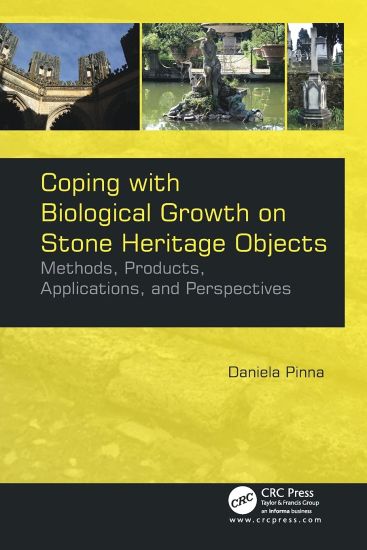
Coping with Biological Growth on Stone Heritage Objects

Coping with Biological Growth on Stone Heritage Objects

Daniela Pinna

Apple Academic Press Inc.
2021
nidottu
Coping with Biological Growth on Stone Heritage Objects: Methods, Products, Applications, and Perspectives offers hands-on guidance for addressing the specific challenges involved in conserving historical monuments, sculptures, archaeological sites, and caves that have been attacked and colonized by micro- and macroorganisms. The volume provides many case studies of removal of biological growth with practical advice for making the right choices. It presents detailed and updated information related to biocides and to alternative substances, features that will be valuable to dealing with these challenges. The author’s goal is to provide access to information and offer the conceptual framework needed to understand complex issues, so that the reader can comprehend the nature of conservation problems and formulate her/his own views.From bacteria to plants, biological agents pose serious risks to the preservation of cultural heritage. In an effort to save heritage objects, buildings, and sites, conservators’ activities aim to arrest, mitigate, and prevent the damages caused by bacteria, algae, fungi, lichens, plants, and birds. Although much has been learned about these problems, information is scattered across meeting proceedings and assorted journals that often are not available to restorers and conservators. This book fills the gap by providing a comprehensive selection and examination of international papers published in the last fifteen years, focusing on the appropriate methods, techniques, and products that are useful for the prevention and removal of micro- and macroorganisms that grow on artificial and natural stone works of art, including wall paintings. Results on new substances with antimicrobic properties and alternative methods for the control of biological growth are presented as well. The book also emphasize issues on bioreceptivity of stones and the factors influencing biological growth and includes an outline of the various organisms able to develop on stones, a discussion on the bioprotection of stones by biofilms and lichens, a review of the main analytical techniques, and a section on bioremediation.This volume will be a valuable reference for cultural heritage conservators and restorers, scientists, and heritage-site staff involved in conservation and maintenance of buildings, archaeological sites, parks, and caves.