Kirjojen hintavertailu. Mukana 11 717 486 kirjaa ja 12 kauppaa.

Kirjahaku

Etsi kirjoja tekijän nimen, kirjan nimen tai ISBN:n perusteella.

5 kirjaa tekijältä Daniela Pisoiu

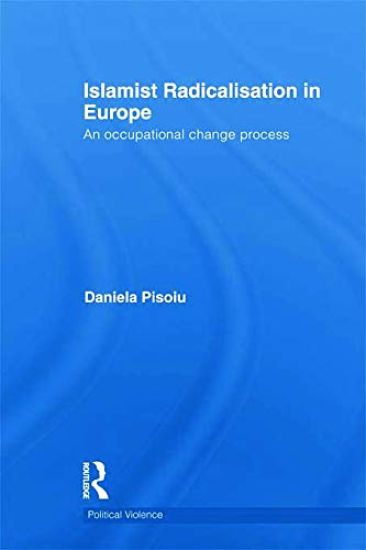
Islamist Radicalisation in Europe

Islamist Radicalisation in Europe

Daniela Pisoiu

Routledge
2011
sidottu
This book examines the Islamist radicalisation process in Europe, developing a new theoretical model based on an empirical study of the evolution of Islamist radicals in their social environment. The approach of this book is to examine how, and under what conditions, people choose to radicalise. It focuses on the experience of radicalisation from the perspective of those who have undergone it. The study is based on trial and court material, along with an extensive number of interviews collected from many different European countries, and this biographical approach is used to address individuals and the details of their social environment. Overall, the explanatory framework departs from the existing deterministic paradigm (with grievances as causes), also present in some psychological models, and argues that radicalisation is a process much like occupational choice – a rational choice made with social and ideational significance. It addresses critically the assumption that, because the result of the radicalisation process could be seen as ‘abnormal’, the cause of it might be of a similar nature. Parallels are drawn with other forms of extremism and European counter-radicalisation policies are considered critically. This book will be of great interest to students of terrorism studies and political violence, political Islam, social movements, European politics and IR/security studies in general.
Islamist Radicalisation in Europe

Islamist Radicalisation in Europe

Daniela Pisoiu

Routledge
2013
nidottu
This book examines the Islamist radicalisation process in Europe, developing a new theoretical model based on an empirical study of the evolution of Islamist radicals in their social environment. The approach of this book is to examine how, and under what conditions, people choose to radicalise. It focuses on the experience of radicalisation from the perspective of those who have undergone it. The study is based on trial and court material, along with an extensive number of interviews collected from many different European countries, and this biographical approach is used to address individuals and the details of their social environment. Overall, the explanatory framework departs from the existing deterministic paradigm (with grievances as causes), also present in some psychological models, and argues that radicalisation is a process much like occupational choice – a rational choice made with social and ideational significance. It addresses critically the assumption that, because the result of the radicalisation process could be seen as ‘abnormal’, the cause of it might be of a similar nature. Parallels are drawn with other forms of extremism and European counter-radicalisation policies are considered critically. This book will be of great interest to students of terrorism studies and political violence, political Islam, social movements, European politics and IR/security studies in general.

Subcultures and Violent Radicalisation

Subcultures and Violent Radicalisation

Daniela Pisoiu

Ashgate Publishing Limited
2026
sidottu
What role do subcultures play in the radicalisation of Islamist, right-wing and left-wing groups? How are the norms of subcultures adopted by radicalised individuals and reflected in their lifestyle, identity and choices? Violent radicalisation is often portrayed as a deviant behaviour resulting from social and political dissociation. At the same time Islamist, right-wing and left-wing terrorist groups have all found sections of the population to sympathise with their aims and provide them with moral and logistical support. Through comprehensive systematic research, rigorous analysis of the empirical data and a range of interviews with active and former radicals Daniela Pisoiu construct a theoretical framework to explain the transition to radicalisation and political violence in Germany. Her conclusions provide us with a wider understanding of the role of subcultures in violent radicalisation and demonstrates that, far from a marginal and abnormal phenomenon, this radicalisation is a matter of traceable long term and holistic socialisation.