Kirjojen hintavertailu. Mukana 12 379 235 kirjaa ja 12 kauppaa.

Kirjahaku

Etsi kirjoja tekijän nimen, kirjan nimen tai ISBN:n perusteella.

44 kirjaa tekijältä Danielle Smith-Llera

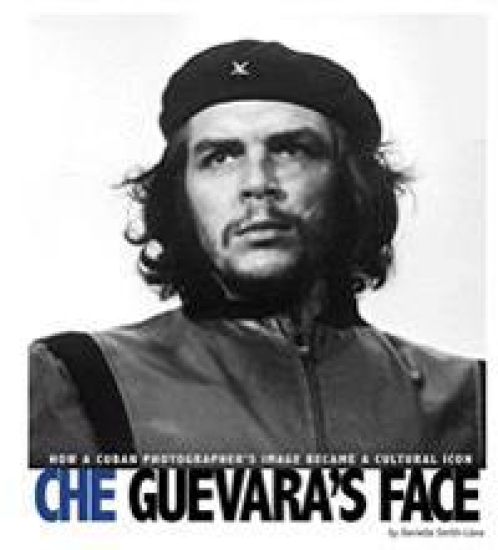
Che Guevara's Face: How a Cuban Photographer's Image Became a Cultural Icon
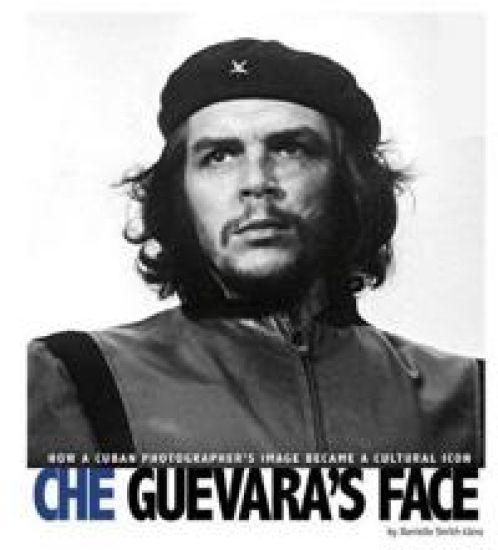
What has been called the most famous photograph in the world, and a symbol of the 20th century, began as a spur of the moment snapshot by a Cuban photographer. Alberto Korda transformed a simple photo into a world famous portrait of a larger than life revolutionary. Korda's 1960 photo of Che Guevara's defiant face has traveled the world in many forms. It shows up wherever people struggle for freedom and human rights. And in the 21st century, the controversial photo continues to inspire, entertain, and even infuriate.
Che Guevara's Face

Che Guevara's Face

Danielle Smith-Llera

Compass Point Books
2016
sidottu
What has been called the most famous photograph in the world and a symbol of the 20th century began as a spur-of-the-moment snapshot by a Cuban photographer. Alberto Korda transformed a simple photo into a world famous portrait of a larger-than-life revolutionary. Korda's 1960 photo of Che Guevara's defiant face has traveled the world in many forms. It shows up wherever people struggle for freedom and human rights. And in the 21st century, the controversial photo continues to inspire, entertain, and even infuriate.

Serena vs. Venus: How a Photograph Spotlighted the Fight for Equality
The final match of the 2001 U.S. Open featuring tennis stars Venus and Serena Williams was groundbreaking. It was first time siblings had squared off in the final match for more than 100 years. And it was the first time both players were black. The photo of the smiling Williams sisters holding their trophies after the tennis match appeared in newspapers around the globe. It captured two athletes who fought, and would continue to fight, for a place for women and African-Americans in tennis and the world beyond.
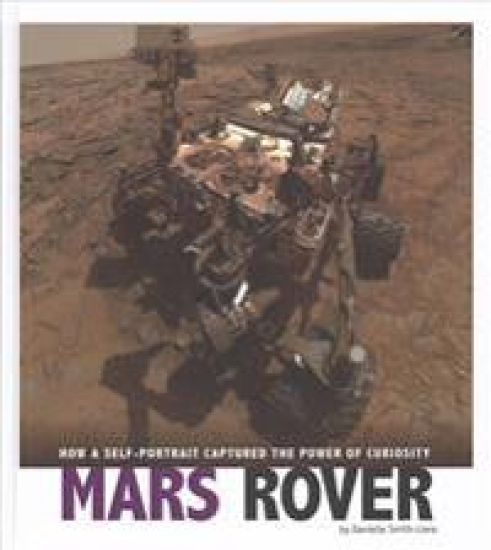
Mars Rover: How a Self-Portrait Captured the Power of Curiosity
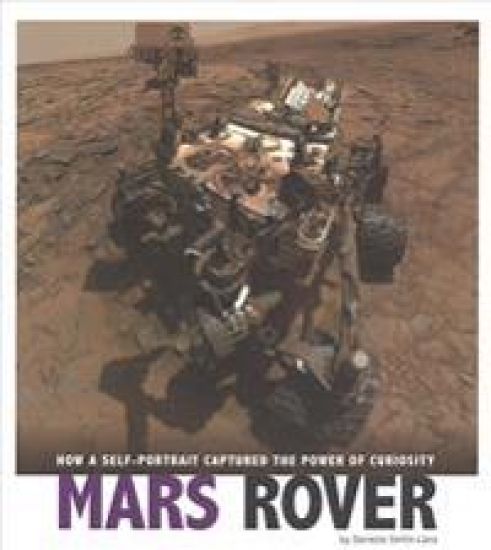
Weighing as much as a small car, a rover named Curiosity rolls quietly around Mars. Scientific instruments pack its body and cluster at the end of a mechanical arm. An arrangement of lenses and instruments tops its mast, like a face. To the many NASA workers involved in Curiosity's mission on Mars, the rover is not simply a robot, but an astronaut bravely exploring an alien place. Curiosity's instruments collect data and its cameras take images of the Mars landscape, including self-portraits, in vivid color and detail. As it roams and explores, Curiosity will help find the answers to such age-old questions as has there ever been life on Mars? Could there be one day?
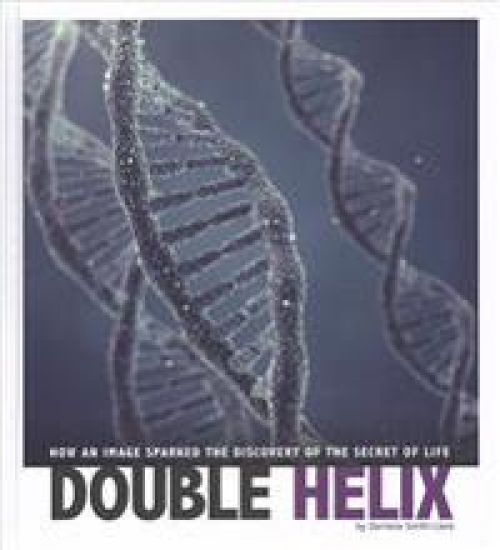
Double Helix: How an Image Sparked the Discovery of the Secret of Life
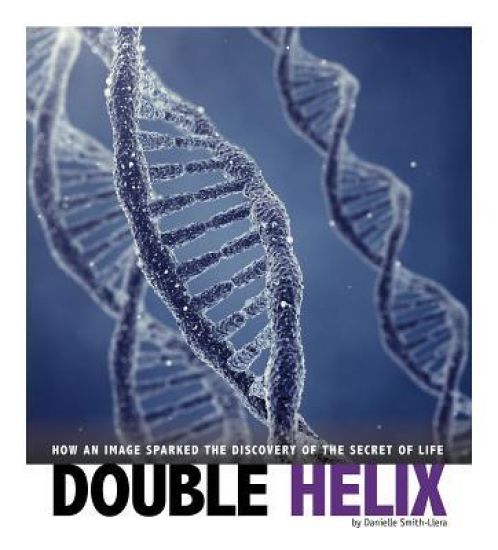
To the untrained eye, Photo 51 was simply a grainy black and white image of dark marks scattered in a rough cross shape. But to the eye of a trained scientist, it was a clear portrait of a DNA fiber taken with X-rays. And to young scientists James Watson and Francis Crick, it confirmed their guess of deoxyribonucleic acid's structure. In 1953 the pair was racing toward solving the mystery of DNA's structure before other scientists could beat them to it. They and others believed that finding the simple structure of the DNA molecule would answer a great mystery, how do organisms live, grow, develop, and survive, generation after generation? Photo 51 and subsequent models based on the photo would prove to be the key to unlocking the secret of life.
Mars Rover: How a Self-Portrait Captured the Power of Curiosity
Weighing as much as a small car, a rover named Curiosity rolls quietly around Mars. Scientific instruments pack its body and cluster at the end of a mechanical arm. An arrangement of lenses and instruments tops its mast, like a face. To the many NASA workers involved in Curiosity's mission on Mars, the rover is not simply a robot, but an astronaut bravely exploring an alien place. Curiosity's instruments collect data and its cameras take images of the Mars landscape, including self-portraits, in vivid color and detail. As it roams and explores, Curiosity will help find the answers to such age-old questions as has there ever been life on Mars? Could there be one day?
Double Helix: How an Image Sparked the Discovery of the Secret of Life
To the untrained eye, Photo 51 was simply a grainy black and white image of dark marks scattered in a rough cross shape. But to the eye of a trained scientist, it was a clear portrait of a DNA fiber taken with X-rays. And to young scientists James Watson and Francis Crick, it confirmed their guess of deoxyribonucleic acid's structure. In 1953 the pair was racing toward solving the mystery of DNA's structure before other scientists could beat them to it. They and others believed that finding the simple structure of the DNA molecule would answer a great mystery, how do organisms live, grow, develop, and survive, generation after generation? Photo 51 and subsequent models based on the photo would prove to be the key to unlocking the secret of life.
Fukushima Disaster: How a Tsunami Unleashed Nuclear Destruction
A massive tsunami caused by the strongest earthquake to ever hit Japan triggered the world's worst nuclear crisis since the Chernobyl accident 25 years earlier. The monster waves that crashed into the Fukushima Daiichi nuclear plant in March 2011 killed 15,000 people and caused nuclear reactor meltdowns that threatened the lives of thousands more. The waves receded long ago, but the devastating effects of the nuclear accident still linger.
Trash Vortex: How Plastic Pollution Is Choking the World's Oceans
Millions of tons of plastic slip into oceans every year. Some floats and travels slowly with the currents, endangering the health of marine animals. The rest is hardly visible but is far more dangerous. Tiny bits of plastic sprinkle the ocean's surface or mix into the sandy seafloor and beaches. It ends up inside birds, fish, and other animals, harming them-and ultimately humans. Experts struggle with fear and hope as they work to stop the flood of plastic threatening living organisms across the globe.
Trash Vortex: How Plastic Pollution Is Choking the World's Oceans
Millions of tons of plastic slip into oceans every year. Some floats and travels slowly with the currents, endangering the health of marine animals. The rest is hardly visible but is far more dangerous. Tiny bits of plastic sprinkle the ocean's surface or mix into the sandy seafloor and beaches. It ends up inside birds, fish, and other animals, harming them-and ultimately humans. Experts struggle with fear and hope as they work to stop the flood of plastic threatening living organisms across the globe.
Lunch Counter Sit-Ins: How Photographs Helped Foster Peaceful Civil Rights Protests
On point historical photographs combined with strong narration bring the saga of the Woolworth lunch counter sit-ins in the early 1960s to life. Readers will learn about the four brave college students who started it all, as well as the many who came after. These events changed the world. The photographer who took the photographs shown in this book is now in his 90s, but he agreed to an exclusive interview for this book.
Lunch Counter Sit-Ins: How Photographs Helped Foster Peaceful Civil Rights Protests
On point historical photographs combined with strong narration bring the saga of the Woolworth lunch counter sit-ins in the early 1960s to life. Readers will learn about the four brave college students who started it all, as well as the many who came after. These events changed the world. The photographer who took the photographs shown in this book is now in his 90s, but he agreed to an exclusive interview for this book.
TV Exposes Brutality on the Selma March: 4D an Augmented Reading Experience
On-point historical photographs combined with strong narration bring the story of the civil rights marches to life. Kids will learn about the way in which Southern states kept African Americans from voting and the history that led to nonviolent civil rights marches to fight for the right to vote guaranteed by the Constitution. As an added bonus, readers will learn about how this played out on TV and galvanized the civil rights movement, leading to the passage of the Civil Rights Act of 1964. Seeing the brutality on TV turned the fight for voting rights in the South into a national cause. Accompanying video will show readers what viewers saw at the time.
You Are Eating Plastic Every Day: What's in Our Food?

You Are Eating Plastic Every Day: What's in Our Food?

Danielle Smith-Llera

Compass Point Books
2019
sidottu
Scientists have recently started studying plastic pollution and our food supply. And, make no mistake, you are eating microscopic pieces of plastic everyday. What does it mean for our health? And what can you do about it? Students will get practical tips on how they can get involved and become part of the solution.
You Are Eating Plastic Every Day: What's in Our Food?

You Are Eating Plastic Every Day: What's in Our Food?

Danielle Smith-Llera

Compass Point Books
2019
nidottu
Scientists have recently started studying plastic pollution and our food supply. And, make no mistake, you are eating microscopic pieces of plastic everyday. What does it mean for our health? And what can you do about it? Students will get practical tips on how they can get involved and become part of the solution.
The Real James Madison: The Truth Behind the Legend

The Real James Madison: The Truth Behind the Legend

Danielle Smith-Llera

Compass Point Books
2019
sidottu
James Madison was a man of contradictions. The fourth president of the United States was quiet but his brilliant ideas are seen throughout the Constitution and the Bill of Rights. He was criticized as being a small, weak man, yet he was the only sitting U.S. President to lead his troops into battle. His quiet strength and active mind helped establish the United States as a strong nation.
Hate Crime in America: From Prejudice to Violence

Hate Crime in America: From Prejudice to Violence

Danielle Smith-Llera

Compass Point Books
2020
sidottu
Hate crime in the United States is on the rise. The FBI has reported that hate crimes rose by 17 percent in 2017, increasing for the third straight year, and the trend continued into 2018 and 2019. The crimes are most commonly motivated by hatred related to race, ethnicity, or country of origin. Many crimes are also motivated by bias against sexual orientation or gender identity. Students will learn why hate crime is on the rise and how they can help combat it.
Hate Crime in America: From Prejudice to Violence

Hate Crime in America: From Prejudice to Violence

Danielle Smith-Llera

Compass Point Books
2020
nidottu
Hate crime in the United States is on the rise. The FBI has reported that hate crimes rose by 17 percent in 2017, increasing for the third straight year, and the trend continued into 2018 and 2019. The crimes are most commonly motivated by hatred related to race, ethnicity, or country of origin. Many crimes are also motivated by bias against sexual orientation or gender identity. Students will learn why hate crime is on the rise and how they can help combat it.
Immigration in America: Asylum, Borders, and Conflicts

Immigration in America: Asylum, Borders, and Conflicts

Danielle Smith-Llera

Compass Point Books
2020
nidottu
Immigration is a hot topic in the United States. What kind of immigration should be allowed? How should immigrants who have come into the United States illegally be treated? What about the DREAMers? Refugees seeking asylum? Will building a border wall keep out illegal immigrants and stop the flow of drugs into the U.S.? Might improving technology offer a better answer? Students will learn about the issues surrounding immigration and border security while discovering how they can get involved in helping to find a solution.