Kirjojen hintavertailu. Mukana 11 699 587 kirjaa ja 12 kauppaa.

Kirjahaku

Etsi kirjoja tekijän nimen, kirjan nimen tai ISBN:n perusteella.

4 kirjaa tekijältä Dario Gamboni

The Brush and the Pen

The Brush and the Pen

Dario Gamboni

University of Chicago Press
2012
sidottu
French symbolist artist Odilon Redon (1840-1916) seemed to thrive at the intersection of literature and art. Known as "the painter-writer", he drew on the works of Poe, Baudelaire, Flaubert, and Mallarme for his subject matter. And yet he concluded that visual art has nothing to do with literature. Examining this apparent contradiction, "The Brush and the Pen" transforms the way we understand Redon's career and brings to life the interaction between writers and artists in fin-de-siecle Paris. Dario Gamboni tracks Redon's evolution from collaboration with the writers of symbolism and decadence to a defense of the autonomy of the visual arts. He argues that Redon's conversion was the symptom of a mounting crisis in the relationship between artists and writers, provoked at the turn of the century by the growing power of art criticism that foreshadowed the modernist separation of the arts into intractable fields. In addition to being a distinguished study of this provocative artist, "The Brush and the Pen" offers a critical reappraisal of the interaction of art, writing, criticism, and government institutions in late nineteenth-century France.
The Destruction of Art

The Destruction of Art

Dario Gamboni

Reaktion Books
2018
nidottu
In January 2006 a man tried to break Marcel Duchamp’s Fountain sculpture with a small hammer. The sculpted foot of Michelangelo’s David was damaged in 1991 by a purportedly mentally ill artist. Each such incident confronts us with the unsettling dynamic between destruction and art. Renowned art historian Dario Gamboni is the first to tackle this weighty issue in depth.Starting with the sweeping obliteration of architecture and art under the Communist regimes of the Soviet Union and Eastern Bloc, Gamboni investigates other instances of destruction around the globe, uncovering a surprisingly widespread phenomenon. As he demonstrates through analyses of nineteenth- and twentieth-century incidents in the u.s. and Europe, a complex relationship exists between the evolution of modern art and a long history of iconoclasm. Gamboni probes the concept of artists’ rights, the power of political protest and the ways in which iconoclasm offers a unique interpretation of society’s relationship to art and material culture. This compelling and thought-provoking study, now in B-format paperback and with a new preface by the author, forces us to rethink the ways in which we interact with art and its power to shock or subdue.
Potential Images

Potential Images

Dario Gamboni

Reaktion Books
2004
nidottu
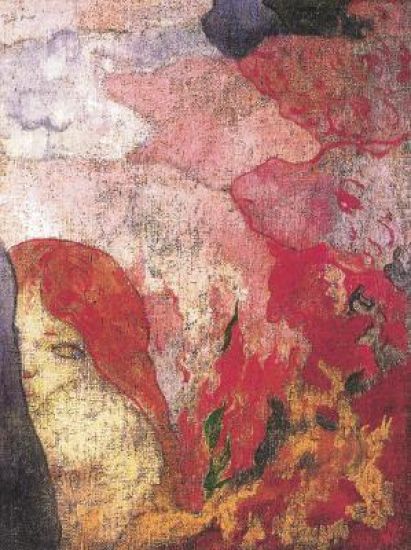
Ambiguity is inherent in images because visual perception is an interpretative act involving memory and imagination. Modern art has made this aspect of perception crucial to its relationship with the viewer. Potential Images, the first systematic exploration of this topic, considers those works of art that rely to a great degree on imaginative response. Dario Gamboni concentrates on the last decades of the nineteenth century and first decades of the twentieth, during which ambiguity and indeterminacy became defining characteristics of art. He examines how work by Redon, Gauguin, Rodin, Duchamp and numerous others sought to involve the beholder and reshaped artistic communication. Drawing on a vast range of sources, Gamboni finds striking parallels in other realms of contemporary culture and points to the intense exchanges that supported this process of cultural transformation. Potential Images also identifies the historical antecedents of this appeal to the viewer, finally proposing a conception of art in which artist and audience occupy symmetrical, equal and even interchangeable positions.
The Destruction of Art

The Destruction of Art

Dario Gamboni

Reaktion Books
2007
nidottu
In January 2006, a man tried to break Marcel Duchamp’s Fountain sculpture with a small hammer. The sculpted foot of Michelangelo’s David was damaged in 1991 by a purportedly mentally-ill artist. With each incident, artists and intellectuals must confront the unsettling dynamic between destruction and art. Renowned art historian Dario Gamboni is the first to tackle this weighty issue in depth, exploring spectres of censorship, iconoclasm and vandalism that surround such acts. Initially galvanized by the sweeping obliteration of architecture and art under the Communist regimes of the Soviet Union and eastern bloc countries, Gamboni investigated other instances of destroyed art and architecture around the globe, uncovering a disquieting and surprisingly widespread phenomenon that still thrives today. As he demonstrates through analyses of incidents occurring in the nineteenth and twentieth centuries in both the United States and Europe, a complex relationship exists among the evolution of modern art, contemporary destruction of art, and the long history of iconoclasm. Gamboni probes the concept of artists’ rights, the power of political protest and the ways in which iconoclasm offers a unique interpretation of society’s relationship to art and material culture. A compelling and thought-provoking study, The Destruction of Art forces us to rethink the ways that we interact with art and react to its power to shock or subdue.