

Kirjahaku
Etsi kirjoja tekijän nimen, kirjan nimen tai ISBN:n perusteella.
3 kirjaa tekijältä Darren Arnold

Muriel, or The Time of Return was director Alain Resnais' first color feature, and its film stock immediately set it apart from many other French movies of the early 1960s. Appearing hot on the heels of Resnais' arthouse smashes Hiroshima mon amour and Last Year at Marienbad, Muriel failed to attract the same attention as its predecessors, and the film's initial domestic release yielded indifferent box office results. This lukewarm response could perhaps be attributed to Muriel's probing of the still fresh wounds inflicted by the Algerian War, as the French public of the time held little appetite for further discussion of what was widely viewed as a messy, dispiriting conflict. Yet time has allowed Muriel to slowly emerge as Alain Resnais' masterpiece, and its exquisite distillation of its director's preoccupations marks it out as the quintessential Resnais film. Looking for Muriel examines both the film and its setting of Boulogne-sur-Mer, and also delves into numerous related areas, including the Algerian War, the French New Wave cinema movement, the Second World War, and the wider careers of both Alain Resnais and Muriel's incomparable star, Delphine Seyrig. Muriel's intricate editing and complex script are also discussed, as are other films which touch on similar themes. Darren Arnold is a film critic and author of Devil's Advocates: The Devils and The Pocket Essential Spike Lee. He lives near London with his family.
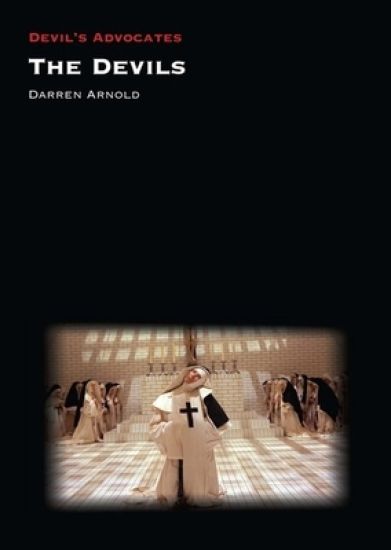
Undoubtedly the most notorious title in director Ken Russell's controversial filmography, The Devils (1973) caused a real furor on its initial theatrical release, only to largely disappear for many years. This Devil's Advocate considers the film's historical context, as the timing of the first appearance of The Devils is of particular importance, its authorship and adaptation (Russell's auteur reputation aside, the screenplay is based on John Whiting's 1961 play of the same name, which was in turn based on Aldous Huxley's 1952 book The Devils of Loudun), and its generic hybridity. Darren Arnold goes on to examine the themes prevalent in the film--this is the only film of Russell's which the director considered to be political--and considers the representation of gender and sexuality, gender fluidity, and how sex and religion clash to interesting and controversial effect. He concludes by revisiting the film's censorship travails and the various versions of The Devils that have appeared on both big and small screens, and the film's legacy and influence.